
Briefings.
Short analysis, fast: one question, one evidenced answer, in under ten minutes’ reading.
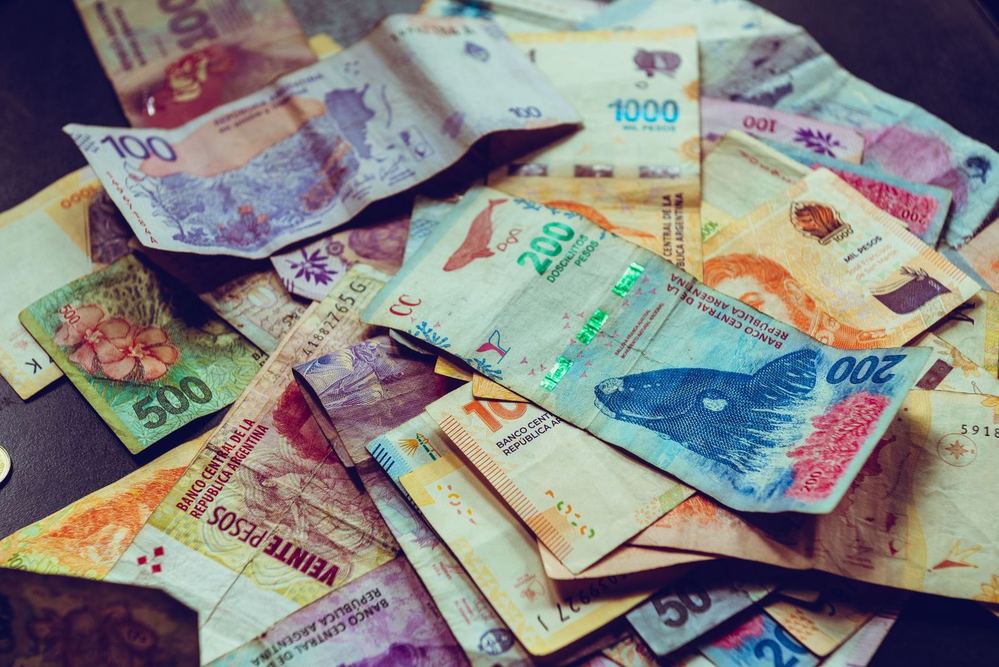
What policy shifts strengthened emerging economies after 1990s crises?
South African Reserve Bank Governor Lesetja Kganyago detailed how central bank independence, inflation targeting, and exchange rate flexibility transformed key emerging markets, including several in Asia, since the 1990s.

Singapore PSD probes civil servant MRT property claims
Singapore's Public Service Division is examining a research paper alleging disproportionate property purchases by civil servants near future MRT stations before public announcements, with potential referral to the Corrupt Practices Investigation Bureau.
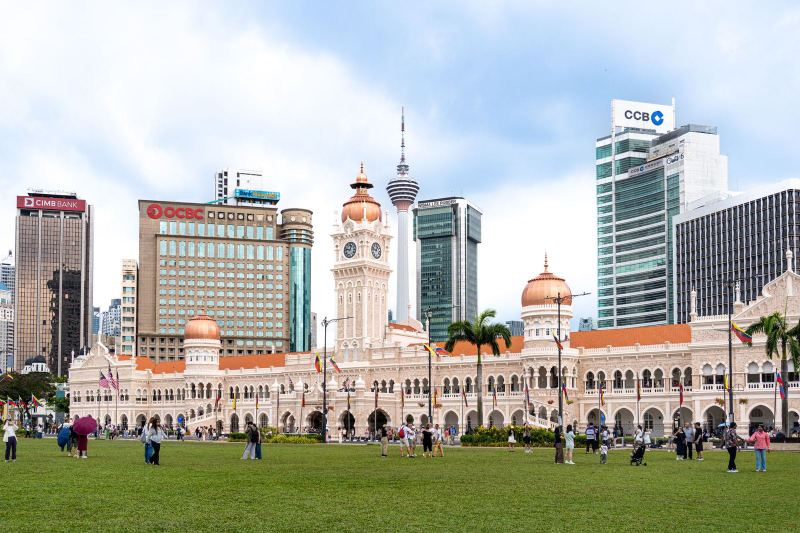
BNM: Digital payments must create value, be inclusive
Bank Negara Malaysia's Deputy Governor Aznan Abdul Aziz outlined two core principles for digital payment evolution, emphasising value creation and inclusivity, in an address delivered on 14 September 2026.

Lee Hyoung-il: S. Korea Tax Rate Won't Be Cut
Finance Minister nominee Lee Hyoung-il confirmed on Sunday that the 25% corporate tax rate, reinstated this year, will not be lowered, influencing business investment forecasts for the coming fiscal periods.

RBI proposes freezing accounts for cyber fraud
India's central bank seeks public input on proposed amendments to its Know Your Customer directions, aiming to formalise how banks can temporarily freeze accounts linked to cyber fraud by October 2, 2026.

Why did the ECB raise rates amid euro area growth concerns?
The European Central Bank increased key interest rates in September 2026, targeting 3.3% euro area inflation driven by lasting energy price shocks. Its President, Christine Lagarde, stated the economy's resilience allowed the move.
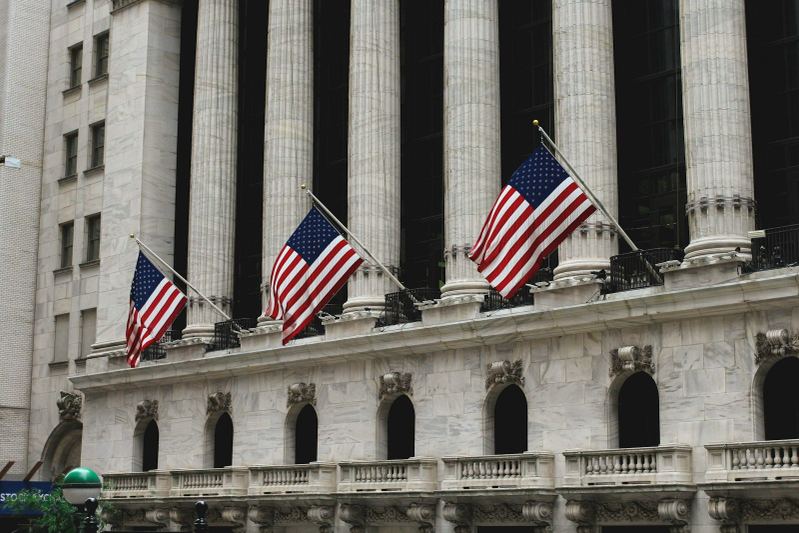
Fed, FDIC propose new third-party risk guidance for banks
The Federal Reserve and other US financial regulators jointly proposed new principles-based guidance on 11 September 2026, aiming to refine how financial institutions manage risks from external relationships.
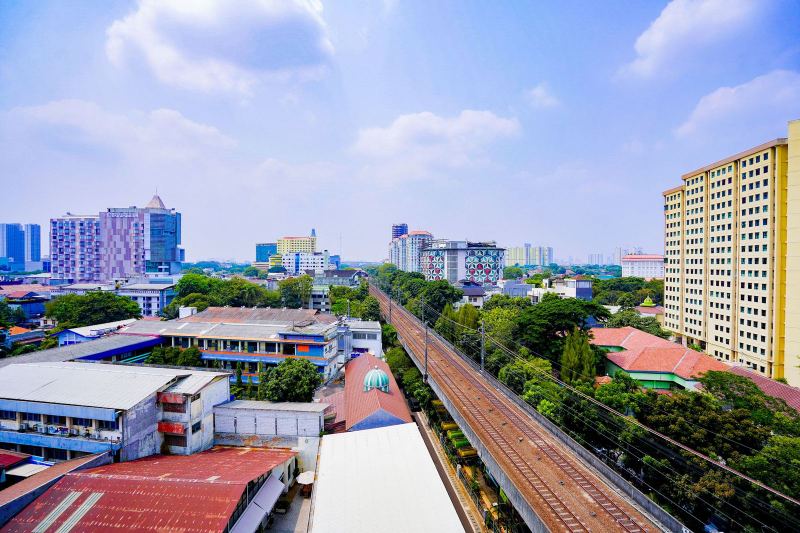
ADB's $3.7bn commitment underpins IMT-GT integration
The Asian Development Bank's sustained financial and technical support, valued at over $3.7 billion as of August 2026, underpins the Indonesia-Malaysia-Thailand Growth Triangle's regional integration and development objectives, particularly in preparing its 2027-2031 implementation blueprint.
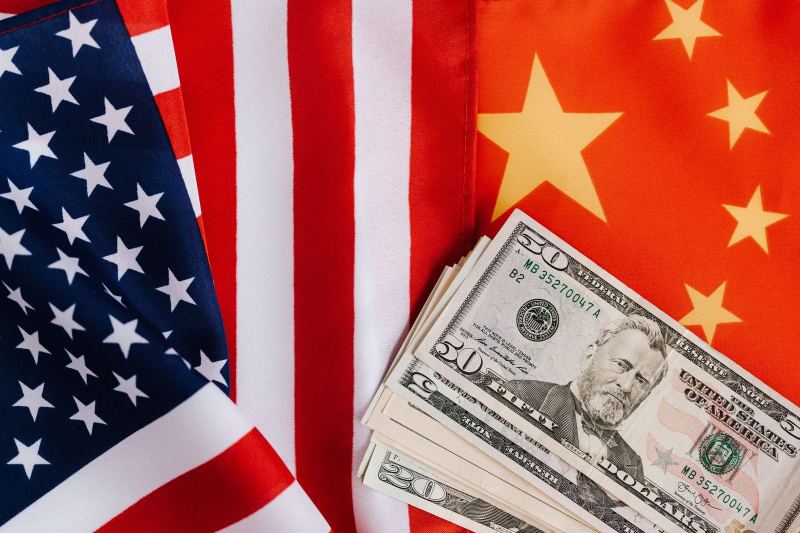
Argentina's US pivot, China trade: Economic stability at risk
Argentina's President Javier Milei has pursued a foreign policy of alignment with the United States, yet the nation's economic stability remains deeply dependent on trade and financial ties with China and Brazil. This creates a fundamental tension between declared geopolitical orientation and economic realities.

Vietnam, Russia Target $15 Billion Trade by 2030
Recent bilateral discussions between Vietnam and Russia establish a framework for expanding trade volumes and deepening energy sector cooperation, targeting $15 billion in two-way trade by 2030, with specific initiatives in oil, gas, and nuclear power. This strategic alignment seeks to enhance energy security for both nations and diversify Vietnam's energy infrastructure.

How will Indonesia's new exchange affect global nickel pricing?
Indonesia's planned Mineral and Strategic Commodities Exchange, set to launch by January 2027, intends to establish domestic price benchmarks for critical minerals, particularly nickel, potentially reconfiguring global pricing structures for these essential materials.

Asia-Pacific forced labour: Due diligence laws outperform tariffs
The Asia-Pacific region's estimated 15 million individuals in forced labour require comprehensive due diligence legislation and rigorous enforcement, a more effective approach than the current application of trade tariffs.

Vietnam, Myanmar target trade rebound after 30% fall
Myanmar's President Min Aung Hlaing concluded a visit to Vietnam on 2 September 2026, with both nations seeking to increase bilateral trade and investment after a 30% decrease from 2020 to 2025. Discussions focused on digital technologies, manufacturing, and agriculture.

RBI withdrew ₹2.46 trillion via SDF on 6 September 2026
The Reserve Bank of India withdrew ₹2,45,922 crore from the banking system on 6 September 2026, predominantly through its Standing Deposit Facility, to address surplus funds and maintain stability in the short-term money markets.

ADB backs Madhya Pradesh's $1bn clean energy push
Madhya Pradesh aims to attract up to $1 billion in private investment for renewable energy projects through a new advisory agreement with the Asian Development Bank, leveraging public-private partnerships to meet its expanding electricity needs and 2030 clean energy targets.

Türkiye's central bank holds tight policy on inflation
The Central Bank of the Republic of Türkiye (CBRT) is sustaining a restrictive monetary policy to counter persistent inflation, even as fluctuating global geopolitical conditions and commodity prices introduce challenges to its disinflation strategy. This approach was detailed in Governor Fatih Karahan's speech on 1 September 2026, accompanying the 2026 Inflation Report.
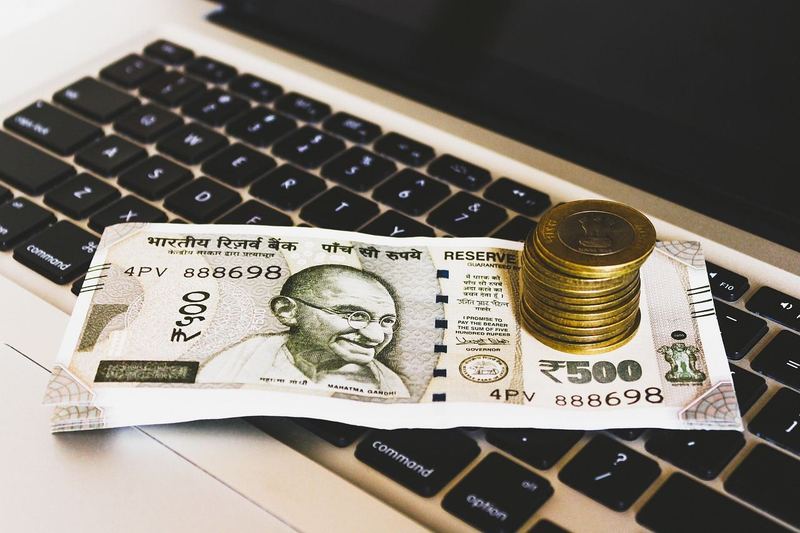
RBI's ₹7,00,000 crore VRRR auction: What's the objective?
The Reserve Bank of India will conduct a Variable Rate Reverse Repo auction for ₹7,00,000 crore on 7 September 2026, a measure designed to absorb surplus liquidity and align short-term market rates with its policy stance.

China injects 360 billion yuan to bolster financial system
China's Ministry of Finance has provided 360 billion yuan in capital to major state-owned insurers and banks. This measure addresses solvency requirements and regulatory demands, aiming to strengthen the financial sector's capacity to support economic activity.

South Korea household debt fell in Sept 2026, bank curbs cited
South Korean household debt registered a decline in September 2026, marking the first monthly reduction in six months, primarily due to major banks maintaining stringent lending practices despite governmental efforts to expand credit availability.

RBI's ₹6,00,000 crore VRRR auction: Liquidity implications
The Reserve Bank of India's decision to conduct a ₹6,00,000 crore Variable Rate Reverse Repo auction on 31 August 2026 demonstrates its active management of systemic liquidity conditions.

India: 10 states to raise ₹27,000 Crore via bond auction
The Reserve Bank of India will oversee the issuance of ₹27,000 Crore in State Government Securities on 01 September 2026, enabling ten states to secure funding for their fiscal needs through a structured auction process designed for broad investor participation.

South Korea's Mock Trading Course Curtailed Leveraged ETF Trading
South Korea's recent introduction of a mandatory five-day simulated trading course for leveraged exchange-traded funds has demonstrably reduced investor participation, leading to a significant contraction in trading value and capital outflows from these products.

MAS: Singapore's 6% H1 2026 GDP growth led by tech sector
Singapore's economy expanded by 6% in the first half of 2026, driven primarily by technology sector advancements, according to the Monetary Authority of Singapore. This performance occurred despite global economic shifts and an increase in inflation, which is projected to moderate in the second half of 2027.

SCO, Taiwan Chips Drive Asia's Trade & Tech Realignment
The Shanghai Cooperation Organization summit signals evolving regional economic alignments, while Taiwan's semiconductor sector continues to drive innovation, collectively indicating a dynamic period for Asia's industrial and trade landscape. These developments occur as a major fast-fashion retailer adjusts its public market valuation and Vietnam invests in significant infrastructure projects.

Does the EU’s AI drive risk deepening external chip dependencies?
The European Union’s strategy to expand domestic artificial intelligence infrastructure risks intensifying its reliance on advanced semiconductors from external suppliers, creating a contradiction in its pursuit of technological sovereignty.

CCPs Face New Risks & Opportunities from NBFI Growth
Central counterparties (CCPs) face a complex operating environment shaped by non-bank financial institutions' increasing market presence, rapid technological advancements, and the nascent integration of tokenisation, necessitating enhanced oversight and adaptive risk management frameworks.

JPMorgan: China capital controls won't hurt Hong Kong wealth
JPMorgan Chase's North Asia chairwoman argues that recent regulatory adjustments by Beijing, including tighter controls on offshore investment and new levies on overseas insurance gains, are unlikely to diminish Hong Kong's long-term position as a primary wealth management centre.
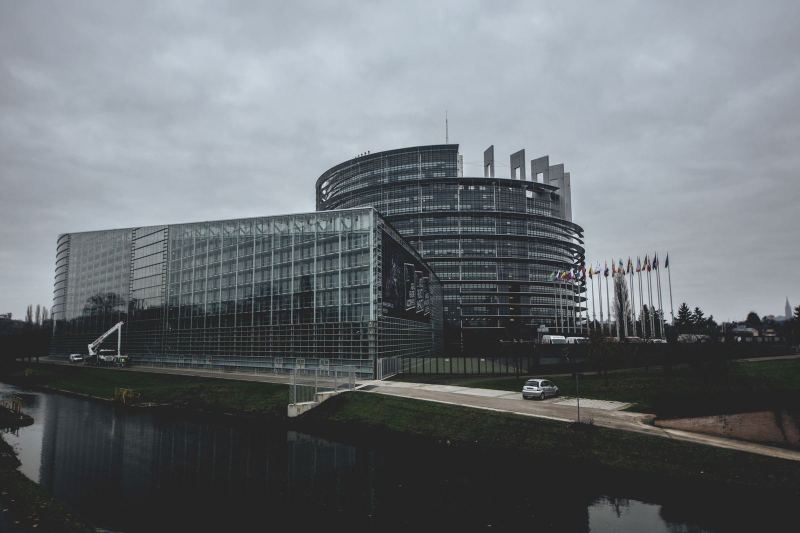
How will EU adjust Indonesian fatty acid duties after WTO ruling?
The World Trade Organisation's Dispute Settlement Body has mandated the European Union to recalculate anti-dumping duties on Indonesian fatty acid imports. This follows a finding that the EU's currency conversion methods were inconsistent with WTO rules, requiring adjustments to affected transactions.

BoJ Urges GenAI Risk Frameworks for Financial Firms
Japanese financial institutions are extending generative artificial intelligence into core operations, necessitating enhanced risk management frameworks, particularly for customer-facing applications and autonomous agents, according to the Bank of Japan's August 2026 report.

Singapore's Manpower Minister: Retrenchments Reflect Macroeconomic Restructuring, Not AI
Singapore's Acting Minister of Manpower, Jasmin Lau, states that recent workforce adjustments reflect macroeconomic restructuring rather than widespread job displacement by artificial intelligence, with companies primarily leveraging AI for business expansion.

BoJ to Expand Hedonic Adjustments in 2025 CGPI Rebasing
The Bank of Japan is modifying its Corporate Goods Price Index methodology for the 2025 base year, specifically expanding the application of hedonic quality adjustments to improve accuracy in measuring price trends for technologically evolving products. This refinement aims to provide a more precise reflection of underlying price movements.

India's forex swap facility attracts USD 72.848 billion
India's Reserve Bank introduced a special USD-INR forex swap facility in June 2026 to manage capital inflows. As of August 21, 2026, the scheme has drawn USD 72.848 billion across FCNR(B) deposits, External Commercial Borrowings, and Overseas Foreign Currency Borrowings, demonstrating its effectiveness in attracting foreign capital.
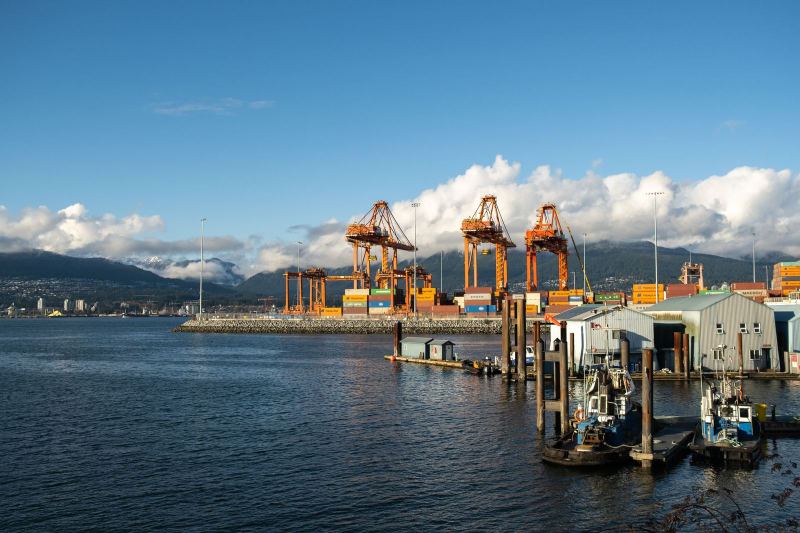
Canada Accelerates Trade Diversification Following US 50% Tariffs
Canada is accelerating its strategy to broaden trade partnerships and reinforce domestic economic activity following the imposition of 50% tariffs by the United States on specific goods, valued at US$20 billion. This approach seeks to mitigate the impact of reduced access to its largest export market.
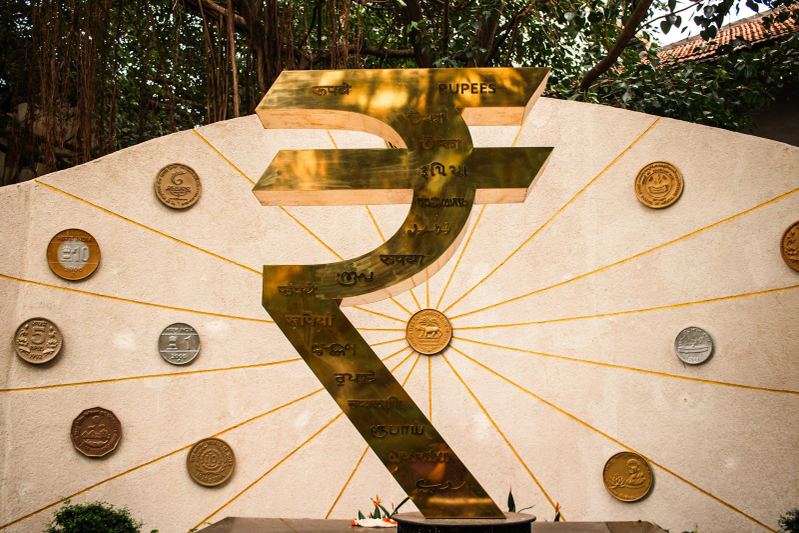
India Govt's Aug 2026 RBI Board Appt Signals External Oversight
The Central Government of India's appointment of Shri Somanath Sreedhara Panicker to the Reserve Bank of India's Central Board, effective 20 August 2026, demonstrates the ongoing mechanism for external oversight within the central bank's governance framework.

Bank of Japan Refines Trade Data for Sharper Economic Analysis
The Bank of Japan is refining its approach to compiling and releasing real export and import data, commencing with April 2026 figures. This initiative aims to provide a more consistent and granular understanding of Japan's external trade performance, crucial for economic assessment and decision-making.
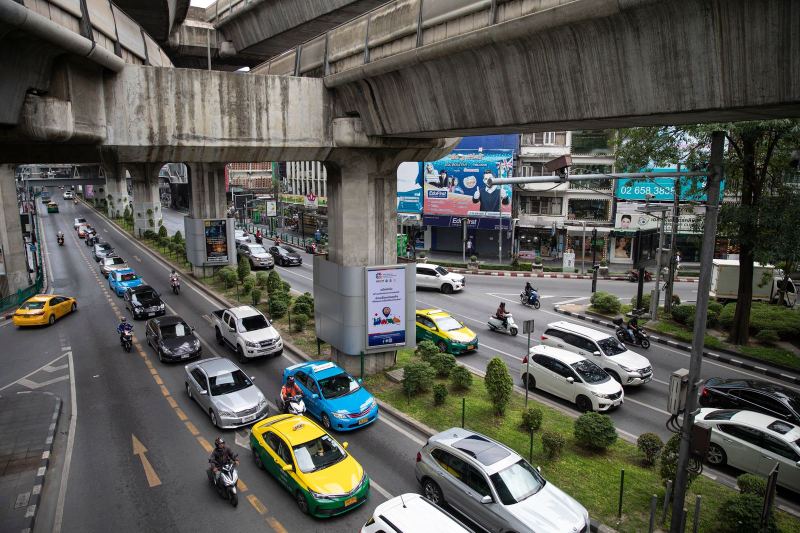
Thailand: 2026 ethanol subsidy expiry to spark market surplus, cut farm demand
Thailand's ethanol market faces a potential surplus following the scheduled cessation of biofuel price subsidies on 24 September 2026, a development that could reduce demand for key agricultural inputs like tapioca and sugarcane.

Thai Bank Lending Rebounds, But NPLs & Household Debt Threaten Sustained Growth
Thai commercial bank lending has demonstrated a reversal from a prolonged contraction, expanding for two consecutive quarters through Q2 2026, while non-performing loans marginally decreased. However, specific economic sectors and external uncertainties continue to present elevated debt servicing challenges, tempering the outlook for sustained broad-based credit expansion.
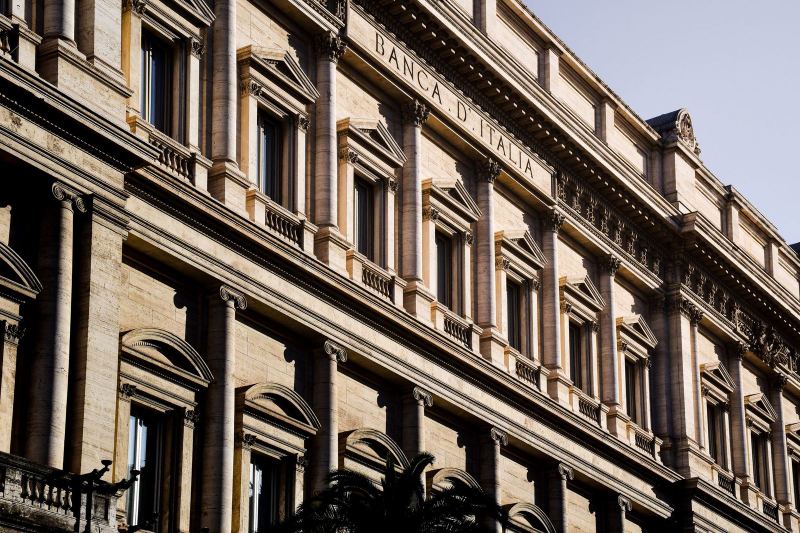
BoJ Plans Continued Rate Hikes as Inflation Set to Exceed 2% from FY2026
The Bank of Japan plans continued policy interest rate increases, adjusting accommodation as inflation is projected to exceed 2 percent from H2 FY2026, stabilising around target by FY2028.

Why did the RBI conduct a ₹1.5 trillion overnight VRRR auction?
The Reserve Bank of India announced an overnight Variable Rate Reverse Repo (VRRR) auction for ₹1,50,000 crore on 19 August 2026, a measure designed to absorb excess funds from the banking system and ensure stability within the short-term money markets. This action aligns with the central bank's active liquidity management framework.

WTO 2026 Public Forum on Services: Registration Closes 21 August
The World Trade Organisation's 2026 Public Forum, centred on services as a driver of economic development, concludes its online registration on 21 August 2026. The event provides a platform for global stakeholders to discuss trade advancements and multilateral system enhancements.

Seven Indian States to Issue ₹20,100 Crore Debt via RBI Auction
Seven Indian state governments are scheduled to issue debt instruments totalling ₹20,100 Crore through an auction on 25 August 2026. The Reserve Bank of India, acting as the facilitator, has detailed the specific conditions for these securities, which encompass both newly issued and re-issued stock, diverse maturities, and structured interest payment arrangements, rendering them suitable for banks' Statutory Liquidity Ratio requirements.
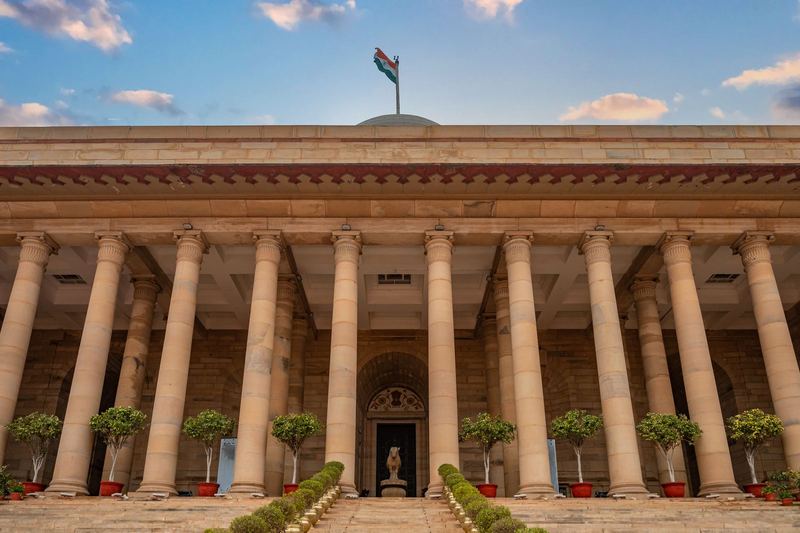
RBI to Manage ₹20,200 Crore Indian State Bond Auctions by August 2026
Indian state governments are preparing to raise ₹20,200 Crore through bond auctions, managed by the Reserve Bank of India. This issuance, scheduled for August 2026, details specific provisions for retail investor participation and regulatory compliance, defining the operational framework for this significant debt offering.

MAS-Led FSB AI Guidelines to Shape Asia's Financial Sector Oversight
The Financial Stability Board's (FSB) proposed framework for Artificial Intelligence adoption, spearheaded by Singapore's Monetary Authority (MAS), establishes a proportional risk management model designed to guide Asian financial institutions and regulators in deploying AI responsibly.

AI Risk: Existing Corporate Governance Frameworks Sufficient, Firms Overlook
Organisations integrating artificial intelligence into operations often overlook that current corporate governance and disclosure systems are already equipped to manage AI-related risks, negating the need for entirely new policy structures.

Prabowo Subianto to Slash 750 State Enterprises in Indonesia Restructuring
Indonesia's government, under President Prabowo Subianto, is undertaking a significant restructuring of its state-owned enterprise sector, aiming to reduce the number of entities by over 750 by the close of 2026 to enhance efficiency and asset management.

Federal Reserve Faces Rate Hike Pressure as US Inflation Hits 3.7 Percent
Federal Reserve Governor Lisa D Cook notes that US inflation, measured by the personal consumption expenditures price index, reached 3.7 percent in June 2026, significantly exceeding the 2 percent target. She indicates a readiness to increase interest rates if necessary to restore price stability, despite a stable labour market and economic growth.
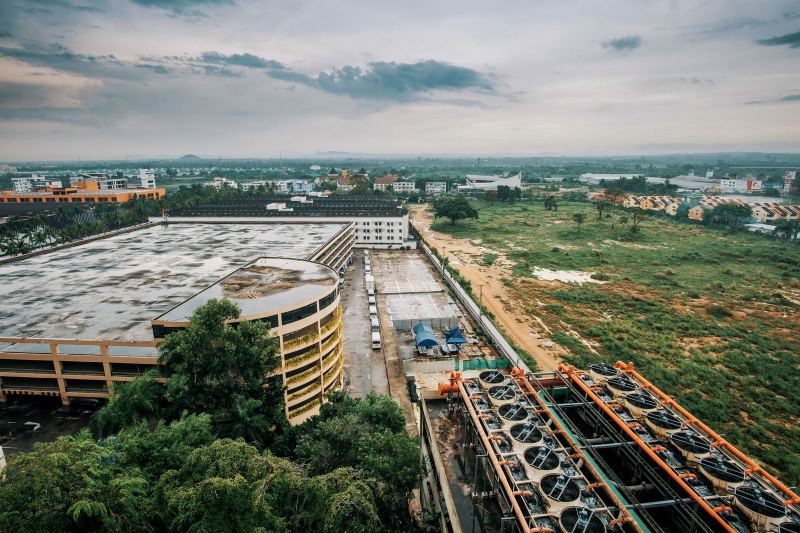
Thailand's Data Centre Policy: Tariffs, Screening & Renewables Reshape Investment
Thailand is implementing a dual strategy for its data centre sector, introducing higher electricity tariffs and stricter investment screening alongside expanded access to renewable power. This approach aims to manage the increasing strain on the national grid from digital investment while maintaining the nation's appeal for foreign capital.

Foreign Banks Bridge Vietnam's Funding Gap with Hard-Currency Loans
Foreign financial institutions are extending hard-currency loans to Vietnamese lenders, providing capital to support national economic growth objectives amidst rising domestic funding costs and credit expansion pressures. This strategy addresses a significant shortfall in local capital availability.
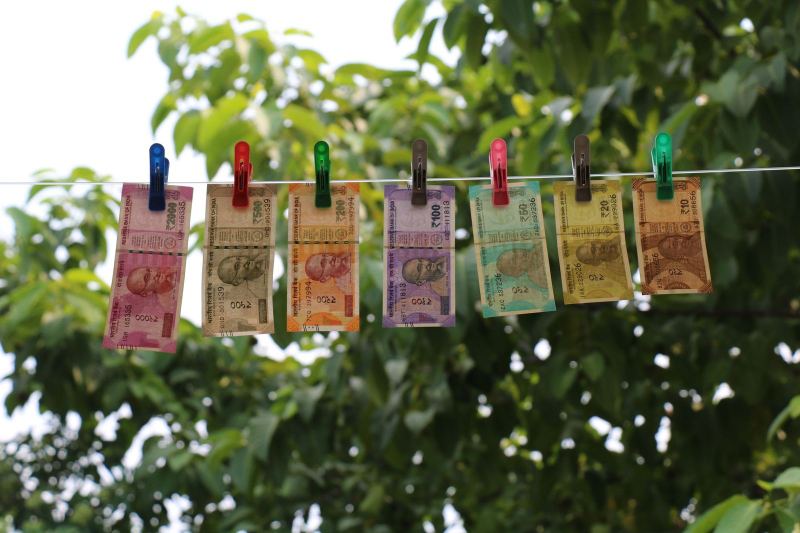
RBI Strengthens Internal Ombudsman to Boost Financial Consumer Protection
India's Reserve Bank is intensifying its focus on internal ombudsman mechanisms within regulated financial entities, aiming to enhance customer confidence and reduce external complaint escalations. This approach positions internal resolution as a critical component of financial stability.