
Nepal's land gap: Women's rights, economic cost
Despite legal provisions for gender equality in property rights, only 20.8 per cent of Nepali women farmers own land, a gap that impacts agricultural output and broader development.
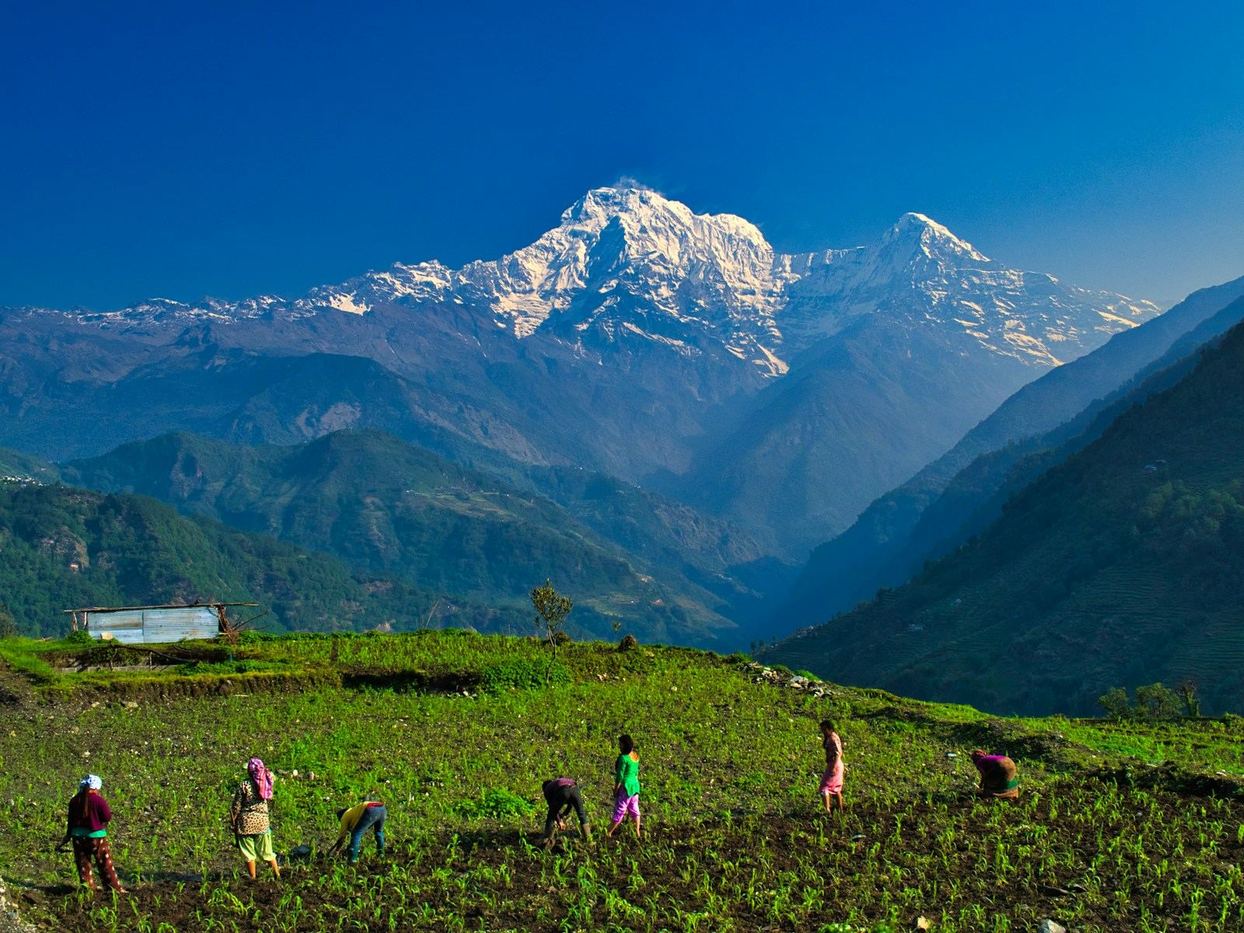
The Ownership Gap in Nepali Agriculture
Nepal's legal framework formally grants women equal property rights, yet cultural norms continue to impede their land ownership. Data from the National Agricultural Census of 2021-22 reveals that only 20.8 per cent of adult women engaged in farming in Nepal hold secure ownership rights to agricultural land.
This contrasts sharply with men, where 42.9 per cent possess such rights. Women constitute a significant majority of the country's agricultural workforce, often taking on extensive physical labour in the fields, a trend exacerbated by widespread male out-migration.
This disparity in land tenure, where women perform most of the agricultural work but own a disproportionately small share of the land, has tangible consequences for the nation's economy.
Women's Central Role in Agriculture
Women in Nepal are deeply involved in the entire agricultural cycle, from field preparation to harvesting, and frequently employ sustainable farming methods. These practices include using farmyard manure from animal dung, compost from kitchen waste, and plant residues in place of chemical fertilisers.
They also utilise natural pesticides derived from neem leaves, garlic, chiles, ash, and local herbs to manage insect damage. Furthermore, women often plant flowers and local flora around fields to attract pollinators, thereby enhancing crop production.
These traditional and environmentally conscious approaches, passed down through generations, are crucial for maintaining soil health and reducing pests, yet the women who apply them often lack formal ownership of the land they cultivate.
Economic Benefits of Secure Land Tenure
International research consistently demonstrates a link between women's secure access to land tenure and improved economic outcomes. UN figures indicate that women globally account for less than 20 per cent of landholders, despite their central role in agriculture across the Global South.
A 2024 global evidence review by the non-profit Landesa, alongside findings from George Washington University and the World Resources Institute, shows that secure land rights for women correlate with higher agricultural productivity, reduced food insecurity, lower poverty rates, and slower environmental degradation.
Studies in countries like Uganda and Ethiopia, as well as a policy brief covering Ecuador, Mexico, Nepal, and Peru, further connect secure land ownership to increased investment in soil conservation, climate resilience, and reduced deforestation.
Implications for Nepal's Agricultural Sector
The persistent gap in land ownership for Nepali women presents a significant impediment to the nation's economic potential, particularly within its agricultural sector. Tanuja Pariyar, a project coordinator for the Feminist Dalit Organization (FEDO), notes that despite modern laws and the Constitution granting full rights to women, proper implementation remains a challenge.
This lack of secure tenure discourages long-term investment in land improvements and limits access to credit, directly affecting productivity and the adoption of more efficient farming technologies.
For decision-makers in Nepal, addressing these disparities through effective policy implementation could unlock substantial economic growth, bolster food security, and enhance climate resilience, thereby improving household incomes and broader community welfare.
This analysis is journalism, not investment advice; consult a licensed professional before making financial decisions.
Pieces are credited to the desk that commissioned and edited them. Our editorial standards, and the desks behind them, are set out on the Editorial Standards and Team pages.
Further reading
- Briefings · Markets
Which Singapore bank do analysts favour ahead of Q3 earnings?
Singapore's three major banks collectively shed over US$22 billion in market value last week, yet analysts remain positive on DBS, citing wealth management fee growth and dividend yield.
Continue reading → - Briefings · Industry
Can Monazite Ore Diversify Global Rare-Earth Supplies?
Efforts to reduce reliance on China, which controls approximately 90 per cent of rare-earth markets, are focusing on monazite, despite its complex radioactive processing requirements.
Continue reading → - Briefings · Policy
Deputy PM Gan Kim Yong calls for accelerated effort in Singapore's financial hub competition
Deputy Prime Minister Gan Kim Yong stated on 14 October 2026 that Singapore must increase its efforts to compete with centres like London and Dubai, while also pursuing cross-border green energy trading, a goal he noted would likely take multiple decades to achieve across the ASEAN region.
Continue reading →