
Monazite: Diversifying Rare Earths Beyond China
Efforts to reduce reliance on China, which controls approximately 90 per cent of rare-earth markets, are focusing on monazite, despite its complex radioactive processing requirements.
The Drive for Rare-Earth Diversification
China presently accounts for approximately 90 per cent of the global markets for rare-earth oxides and rare-earth metals. These elements are indispensable for numerous manufacturing sectors, including semiconductors, LEDs, lasers, and displays.
Critically, rare earths form the basis of permanent magnets essential for electric motors found in electric vehicles, robotics, and heating and cooling systems. As a result, a concerted global effort is underway to establish alternative supply chains for these vital materials.
Hundreds of mining companies, government agencies, and industrial facilities across North America, Australasia, and Europe are actively working to secure a greater share of this market, with monazite ore emerging as a significant potential alternative source.
Monazite's Promise and Processing Challenges
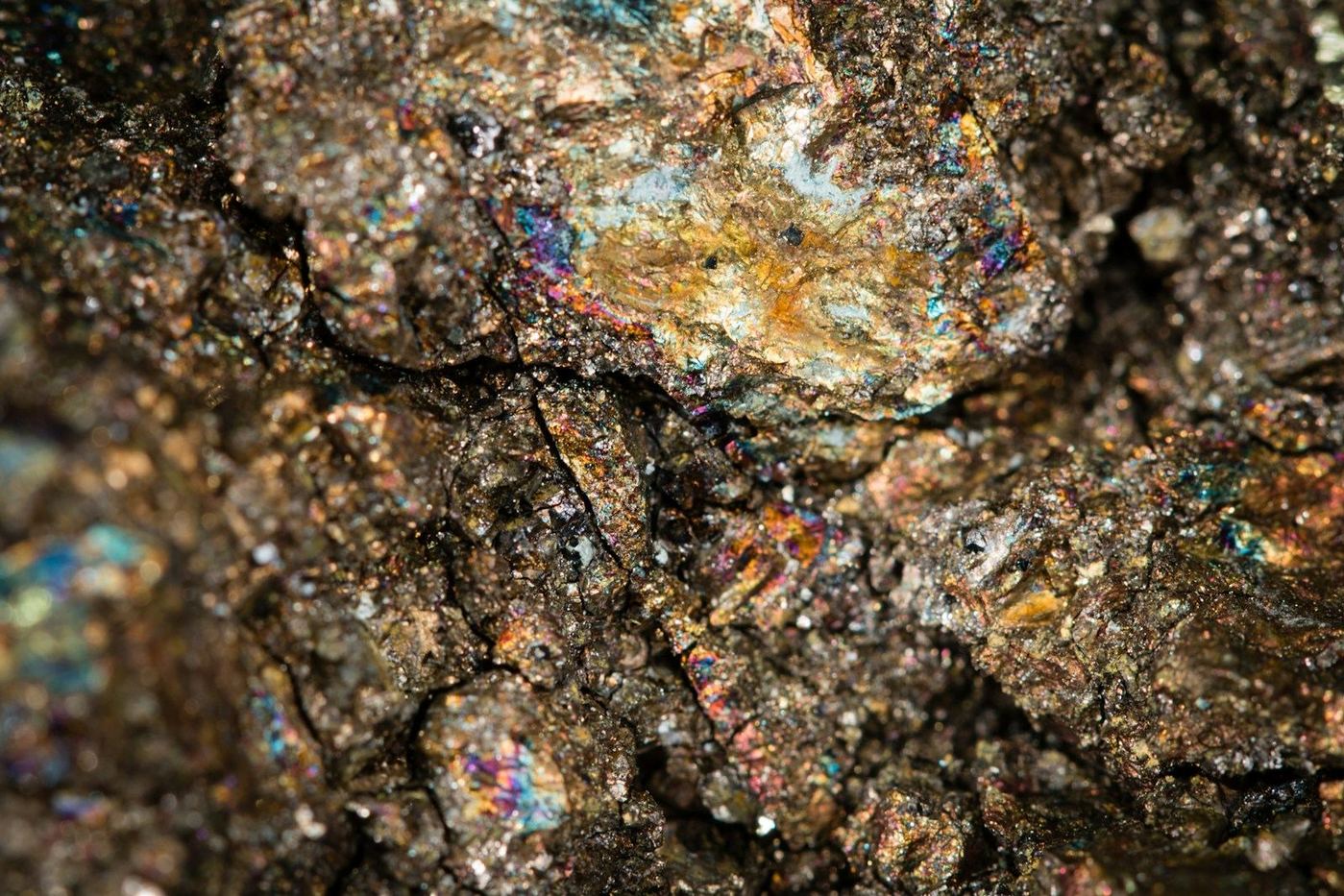
Monazite ore holds substantial quantities of valuable rare earths, including neodymium, praseodymium, and dysprosium. Jack Lifton, an analyst, consultant, and co-chairman of the Critical Minerals Institute, has identified monazite as "the most important rare-earth ore" currently available.
However, the processing of monazite presents considerable challenges due to its typical content of radioactive thorium and uranium. This necessitates strict regulatory oversight for its handling, storage, and processing, requiring specialised techniques and the indefinite isolation of mildly radioactive wastes generated during extraction.
Despite these complexities, significant investment is now being directed towards monazite mining and processing technologies globally.
US Investment in Monazite Processing
In the United States, Energy Fuels has committed over US $200 million to acquire monazite assets in Brazil and Madagascar. The company, which operates the country's sole conventional uranium mill, has developed its own extraction method and is producing mixed oxides of neodymium and praseodymium at its White Mesa Mill in Utah.
Energy Fuels is also generating pilot-scale quantities of dysprosium and terbium oxides, which are heavy rare earths primarily sourced from China. The company plans to expand its rare-earth production to higher commercial levels, estimating an additional cost of $410 million, and received a US government-backed conditional loan commitment of $725 million in June.
Canadian Project Highlights Development Hurdles
A government-supported monazite processing project in Saskatchewan, Canada, illustrates the difficulties in establishing new rare-earth supply chains. The Saskatchewan Research Council's facility has already incurred expenditures exceeding CA $100 million, with current projections indicating a total cost of over CA $216 million, according to CEO Mike Crabtree.
The plant initially aimed to produce 40 tonnes of rare earths per month by the end of 2024, followed by 400 tonnes of metal per year by early 2025; neither target was achieved. The organisation now anticipates full operation by late 2027.
Beyond North America, companies such as Lynas Rare Earths, based in Perth, Australia, are also expanding their monazite mining and processing operations, particularly at the Mount Weld mine.
Implications for Asian Industries and Markets
The global drive to diversify rare-earth supply chains through monazite projects carries specific implications for Asian manufacturing and markets.
Industries across Asia, including electric vehicle producers, robotics manufacturers, and consumer electronics firms that rely on permanent magnets, alongside semiconductor and display component makers, could experience a reduction in supply chain vulnerabilities if these new sources prove viable.
While China remains the dominant supplier, the successful development of monazite ventures in regions like Australia and North America could introduce new competition and potentially stabilise pricing for critical rare-earth elements such as neodymium and praseodymium.
Asian companies involved in advanced manufacturing should monitor the progress of projects like Energy Fuels' planned $410 million expansion and the Saskatchewan Research Council's targeted late 2027 operational date for shifts in global supply dynamics and cost structures.
This analysis is journalism, not investment advice; consult a licensed professional before making financial decisions.
Pieces are credited to the desk that commissioned and edited them. Our editorial standards, and the desks behind them, are set out on the Editorial Standards and Team pages.
Further reading
- Briefings · Markets
How do offshore NDFs transmit exchange rate pressure to Asia's markets?
A new BIS study reveals that a US$1 billion increase in offshore dollar demand can depreciate domestic spot rates by 10 basis points in minutes, widening offshore-onshore spreads.
Continue reading → - Briefings · Policy
How will MDBs deliver more financing for developing economies?
Heads of multilateral development banks met in Manila on 17 October 2026, affirming joint action to address challenges like economic uncertainty and high debt for developing nations.
Continue reading → - Briefings · Industry
How does RRP Electronics' new facility expand India's semiconductor packaging capabilities?
RRP Electronics inaugurated an Advanced Wafer-Level Packaging facility in Navi Mumbai on October 12, 2026, adding production for SIM and eSIM modules to its outsourced semiconductor assembly and test operations.
Continue reading →