
Singapore targets 3 more Indonesian firms in haze crackdown
Singapore's National Environment Agency has issued notices to three additional Indonesian companies under the Transboundary Haze Pollution Act, bringing the total to ten firms targeted this month amid the worst air pollution in over a decade.
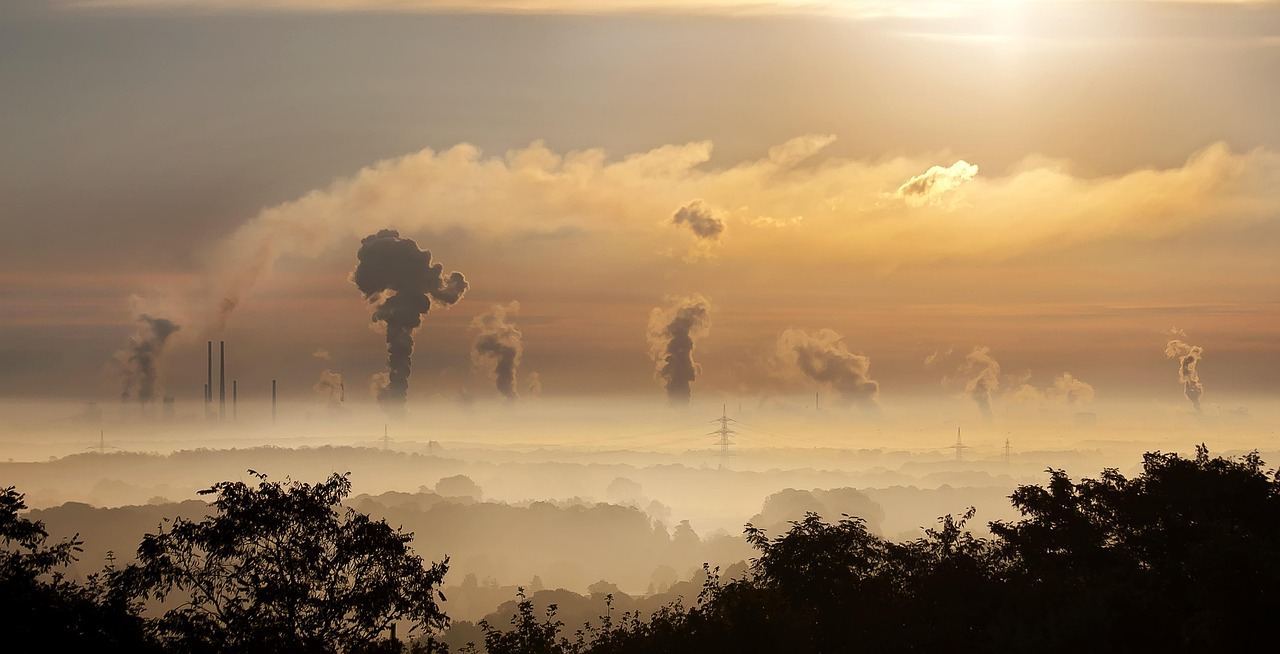
Singapore Targets More Firms Over Haze
Singapore's government has escalated its response to severe transboundary haze, with the National Environment Agency (NEA) issuing notices to three more Indonesian companies on Monday, 19 October 2026. These firms, PT Buana Megatama Jaya, PT Mananjung Hayak, and PT Baratama Putra Perkasa, are suspected of links to fires causing haze.
The NEA stated that smoke from concessions held by these companies in Kalimantan, Indonesia, appears to have reached Singapore. This action follows similar notices sent to seven other companies on Friday, 16 October 2026, as Singapore confronts its most significant air pollution challenge in over ten years.
The enforcement efforts are part of a broader strategy to mitigate the impact of wildfires, exacerbated by dry conditions linked to the powerful El Niño weather pattern.
Legal Framework and Penalties for Pollution
The notices were issued under Singapore's Transboundary Haze Pollution Act, a legislative instrument designed to hold companies accountable for pollution originating outside its borders. Under this law, notified firms are mandated to deploy firefighters to control blazes within their concessions.
Non-compliance or culpability for haze-causing fires can result in substantial financial penalties, with Singaporean authorities empowered to fine companies up to S$100,000 for each day of pollution.
Singapore's Prime Minister Lawrence Wong, in a statement last week, affirmed the government's commitment to investigating companies responsible for these fires and warned of potential legal action against those found to be at fault.
This underscores a more assertive stance compared to 2015, when enforcement efforts faced challenges in obtaining information from Indonesian counterparts.
Corporate Responses and Supply Chain Scrutiny
One of the recently notified firms, PT Buana Megatama Jaya, is identified as a supplier to APP Group, a major entity in the pulp and paper industry. Two of the companies that received notices on Friday were also suppliers to APP. In a written response, APP Group clarified that the notices from Singapore were preventive measures and did not signify a finding of wrongdoing.
The company committed to collaborating with its relevant suppliers to contain existing fires, prevent new outbreaks, and reinforce its zero-burning policy across operations. APP Group also highlighted its substantial investment in fire management initiatives, totalling nearly US$300 million over the past decade, demonstrating a long-term commitment to mitigating fire risks.
Regional Air Quality Concerns and Historical Context
Air quality levels in Singapore have deteriorated significantly this month. NEA data for Monday, 19 October 2026, showed the 24-hour Pollutant Standards Index (PSI) reaching 114. This figure, which the Transboundary Haze Pollution Act monitors, is lower than peaks observed last week, when some areas of the city-state recorded levels exceeding 200.
Concurrently, figures from the Indonesian meteorology agency indicated extreme particulate matter levels in Pangkalanbun, Kalimantan, peaking above 1,000 on Monday. Levels exceeding 250 are considered dangerous.
Singapore previously attempted to enforce its transboundary haze law in 2015, but its environment ministry reported difficulties in acquiring information from Indonesian authorities regarding suspected illegal burning. A decade later, four companies from that period remain under investigation.
Implications for Regional Industry Operations
The intensified enforcement by Singapore signals elevated operational and regulatory risks for companies with land concessions in Indonesia, particularly those in the palm oil, pulp, and paper sectors. Decision-makers in these industries should anticipate increased scrutiny on their land management practices and supply chain transparency.
The potential for daily fines of S$100,000 per pollution incident, coupled with the requirement to deploy firefighting resources, directly impacts operational costs and profitability. Companies must ensure robust fire prevention and suppression strategies are in place, as regulatory bodies are demonstrating a clear willingness to act on evidence of transboundary pollution.
The continued investigation of four firms from 2015 also suggests a long-term commitment to enforcement, indicating that these actions are not merely a short-term response to current haze conditions.
This analysis is journalism, not investment advice; consult a licensed professional before making financial decisions.
Pieces are credited to the desk that commissioned and edited them. Our editorial standards, and the desks behind them, are set out on the Editorial Standards and Team pages.
Further reading
- Briefings · Policy
What will the ADB's $139.55 million loan deliver for Puducherry's urban infrastructure?
The Asian Development Bank approved a $139.55 million loan on 30 October 2026 to enhance Puducherry's water, sanitation, and public spaces, aiming to boost the Indian city's competitiveness for investment and tourism.
Continue reading → - Briefings · Policy
How will ADB's $104.5 billion financing reshape its Asia-Pacific operations?
The Asian Development Bank's first Strategic Business Outlook details $104.5 billion for 2027–2029, alongside reforms to enhance project preparation and delivery across the region.
Continue reading → - Briefings · Policy
Do contingent tariffs in trade agreements reduce deforestation?
New research suggests that linking market access to forest conservation could prevent agricultural expansion and even lead to reforestation, with implications for Asian nations negotiating with the European Union.
Continue reading →