
Do contingent tariffs in trade agreements reduce deforestation?
New research suggests that linking market access to forest conservation could prevent agricultural expansion and even lead to reforestation, with implications for Asian nations negotiating with the European Union.
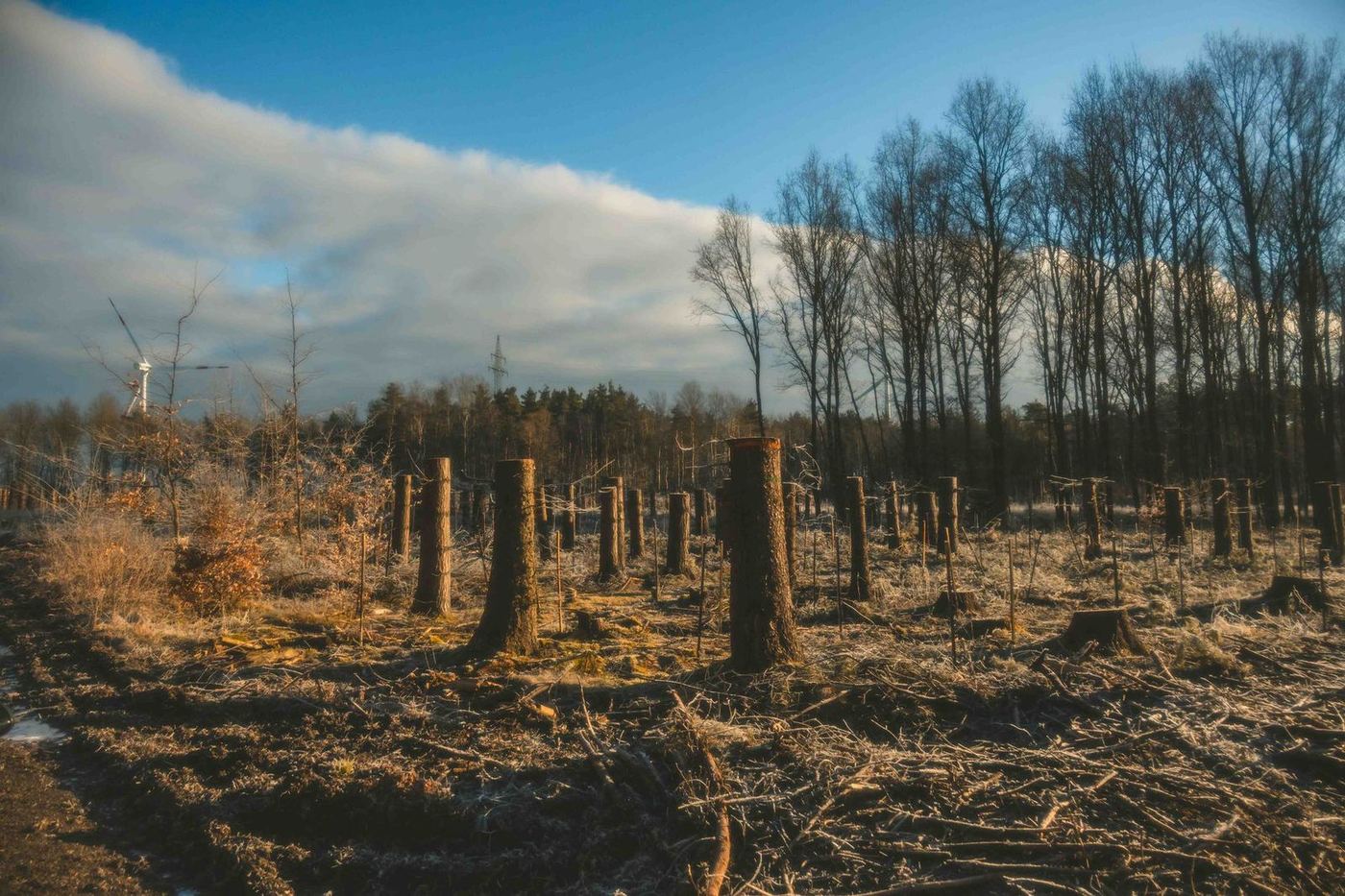
Trade incentives for environmental protection
International trade agreements are increasingly viewed as a mechanism to advance environmental conservation, particularly regarding tropical forests. A new approach proposes integrating tariffs directly linked to deforestation levels, aiming to create stronger incentives for forest preservation while retaining the economic advantages of market access.
This concept emerges as bilateral trade agreements, such as the interim pact between the European Union and Mercosur (provisionally applied since May 2026), begin to establish new benchmarks for global trade.
The EU is also in negotiations with Asian economies like Malaysia and Thailand, alongside advancing agreements with Australia, India, and Indonesia, suggesting these new standards could have wide-ranging effects.
Shifting from ineffective provisions
Previous attempts to mitigate environmental damage from increased trade, such as the Trade and Sustainable Development (TSD) clauses in EU deals, have largely proven ineffective due to design flaws and weak enforcement.
Conventional trade liberalisation often leads to increased agricultural production and, consequently, deforestation, as greater market access makes land development more profitable. Threats to suspend trade agreements over deforestation have lacked credibility because the economic gains from expanded agricultural output often outweigh the disincentives.
A more robust solution, according to new research, involves establishing pre-negotiated tariffs that are contingent on deforestation levels. This would mean that if, for example, a beef exporter increases land development, it would face higher tariffs, making such actions less economically appealing.
Simulation results for Mercosur
Quantitative analysis, detailed in new research, provides insights into the potential impact of these contingent trade agreements (CTAs).
Simulations focused on Mercosur indicate that if the EU, the United States, and China all liberalise trade with the bloc without environmental conditions, Mercosur's agricultural area could expand by 2–9 per cent, leading to increased deforestation.
However, the research suggests that if just one of these major economies incorporates deforestation into a CTA, this agricultural expansion could be entirely avoided. Furthermore, if two of these economies, such as the EU and the US, implement CTAs, they could facilitate reforestation, potentially reducing the total agricultural area by 1–8 per cent relative to current levels.
These figures are model-based estimates and should be interpreted with caution, but they demonstrate a potential synergy between free trade and environmental conservation.
Implications for Asian trade negotiations
The implementation of CTAs is technically feasible, drawing parallels with existing trade deals where tariff levels are contingent on measurable factors like timeframes for reduction after ratification. Such agreements could be modified to reset tariff reduction timelines or revert tariffs to original levels if deforestation increases.
European policymakers have explored similar concepts since 2020. For Asian nations, particularly those like Malaysia and Thailand currently negotiating trade agreements with the EU, these developments are relevant.
The adoption of contingent tariffs by the EU could shape the terms of future trade deals, potentially influencing agricultural land use and trade flows in Asian economies where similar environmental concerns exist or where agricultural exports are a significant component of trade with the EU.
This analysis is journalism, not investment advice; consult a licensed professional before making financial decisions.
Pieces are credited to the desk that commissioned and edited them. Our editorial standards, and the desks behind them, are set out on the Editorial Standards and Team pages.
Further reading
- Briefings · Policy
What will the ADB's $139.55 million loan deliver for Puducherry's urban infrastructure?
The Asian Development Bank approved a $139.55 million loan on 30 October 2026 to enhance Puducherry's water, sanitation, and public spaces, aiming to boost the Indian city's competitiveness for investment and tourism.
Continue reading → - Briefings · Policy
How will ADB's $104.5 billion financing reshape its Asia-Pacific operations?
The Asian Development Bank's first Strategic Business Outlook details $104.5 billion for 2027–2029, alongside reforms to enhance project preparation and delivery across the region.
Continue reading → - Briefings · Policy
What drives North Korea's DMZ fortification efforts?
Since 2024, North Korea has laid an estimated 960,000 mines along the Demilitarised Zone, alongside other fortifications, reflecting a policy shift to solidify its sovereign border rather than prepare for an offensive.
Continue reading →