
What will the ADB's $139.55 million loan deliver for Puducherry's urban infrastructure?
The Asian Development Bank approved a $139.55 million loan on 30 October 2026 to enhance Puducherry's water, sanitation, and public spaces, aiming to boost the Indian city's competitiveness for investment and tourism.
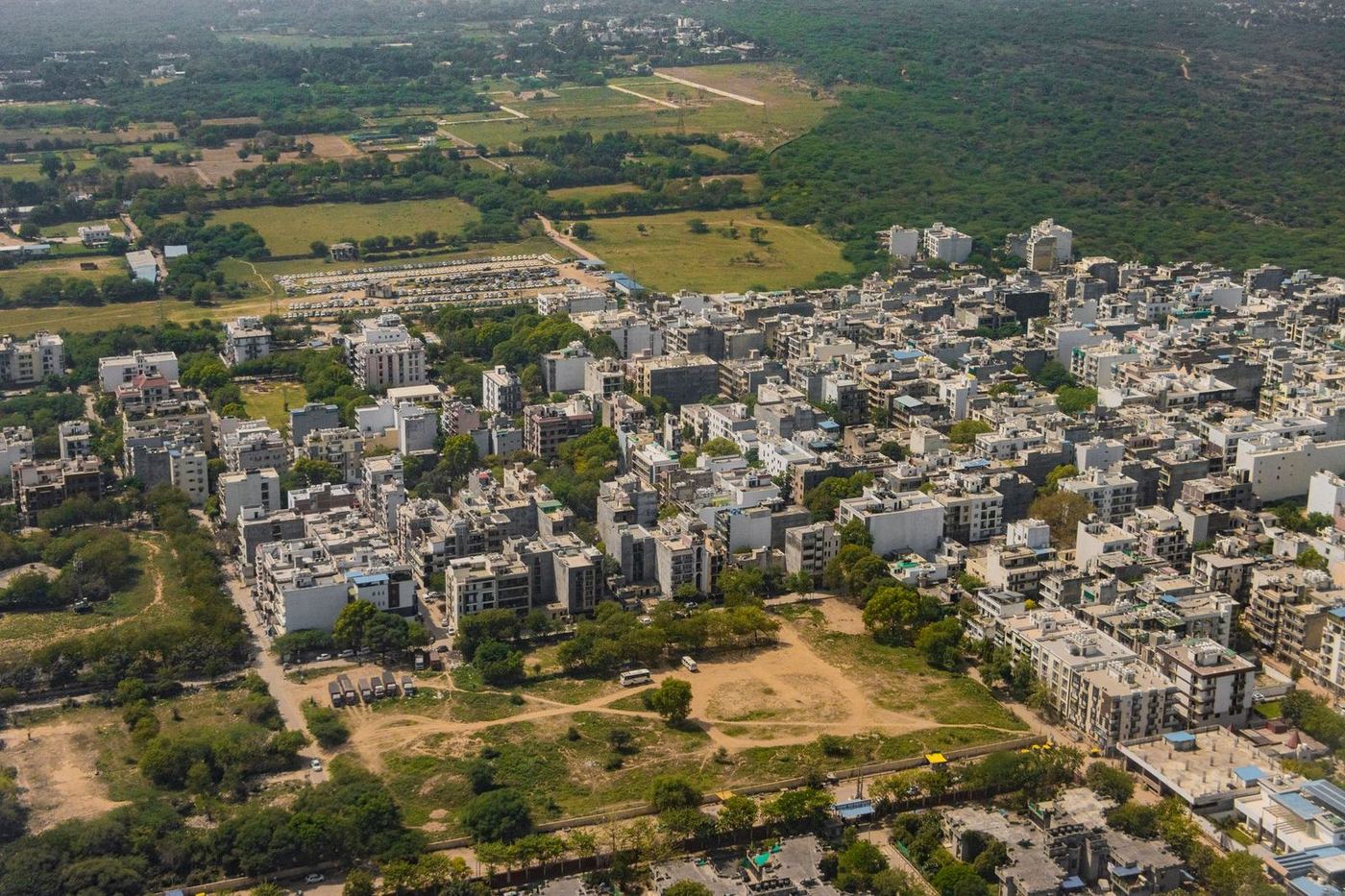
ADB Commits $139.55 Million for Puducherry's Urban Development
The Asian Development Bank (ADB) approved a loan of $139.55 million on 30 October 2026, designated for the improvement of urban service delivery and municipal governance within Puducherry, India. This funding, part of the Puducherry Integrated Urban Livability Improvement Project, is projected to benefit over 320,000 residents and tourists.
The initiative marks the ADB's initial engagement in the Union Territory of Puducherry, aligning with its broader strategy to support India's cities in becoming economic growth drivers.
Mio Oka, ADB Country Director for India, stated that the bank will collaborate with the Government of Puducherry to transform the city into a more liveable, tourism-friendly, and resilient hub for growth.
Upgrading Water Supply and Sanitation Networks
A significant portion of the project focuses on modernising essential urban utilities. For water supply, the plan includes upgrading 100 kilometres (km) of the existing network and laying an additional 80 km of new pipelines.
New overhead service reservoirs will be constructed, alongside the establishment of district metered areas and brackish water reverse osmosis desalination plants to ensure resilient water access. Sanitation improvements are extensive, with the construction of 270 km of new underground sewer networks and the rehabilitation of 80 km of existing lines.
A new sewage treatment plant, capable of processing 50 million litres of wastewater per day, will also be established to enhance public health and environmental standards.
Modernising Public Spaces and Strengthening Municipal Governance
Beyond utility upgrades, the project addresses urban public spaces and institutional capacity. It will involve constructing 4.5 km of pedestrian walkways designed for disability accessibility, alongside rehabilitating drainage systems with concrete lining and stabilisation.
These measures aim to improve pedestrian safety, mitigate flooding risks, reduce accidents, and lessen the impact of extreme weather events. Concurrently, the initiative seeks to bolster the municipal government's institutional capacity and financial sustainability.
This will be achieved through implementing more efficient revenue collection methods, upgrading financial management systems, introducing a digital municipal service management platform, and integrating planning for water security and inclusive sanitation across the city's administration.
Addressing Puducherry's Urbanisation Challenges
The investment directly responds to specific challenges facing Puducherry, where urban areas house approximately 68% of its 1.8 million population and attract over 2.3 million tourists annually.
Rapid urbanisation, escalating climate change-related risks, and an unmet demand for essential municipal services from both residents and visitors have collectively diminished the city's appeal as a destination for investment and tourism.
The project's comprehensive approach to infrastructure and governance aims to reverse these trends, enhancing the city's capacity to manage growth sustainably and improve the quality of life for its inhabitants and guests. This strategic intervention is designed to restore and elevate Puducherry's competitive standing in the region.
Implications for India's Urban Growth Strategy
This project in Puducherry contributes to the ADB's broader support for urban transformation and resilience across India, including initiatives like the Urban Challenge Fund and knowledge work on city redevelopment.
For decision-makers, the success of this project will offer insights into effective strategies for managing rapid urbanisation and climate change impacts in similar Indian cities. The expected outcomes, such as improved livability and enhanced tourism appeal, could serve as a model for future urban development projects.
Investors and policymakers should monitor Puducherry's tourism growth figures and any reported increases in municipal revenue collection or investment inflows in the coming years, as these will indicate the tangible economic impact of the ADB's targeted infrastructure and governance improvements.
This analysis is journalism, not investment advice; consult a licensed professional before making financial decisions.
Pieces are credited to the desk that commissioned and edited them. Our editorial standards, and the desks behind them, are set out on the Editorial Standards and Team pages.
Further reading
- Briefings · Policy
How will ADB's $104.5 billion financing reshape its Asia-Pacific operations?
The Asian Development Bank's first Strategic Business Outlook details $104.5 billion for 2027–2029, alongside reforms to enhance project preparation and delivery across the region.
Continue reading → - Briefings · Policy
Do contingent tariffs in trade agreements reduce deforestation?
New research suggests that linking market access to forest conservation could prevent agricultural expansion and even lead to reforestation, with implications for Asian nations negotiating with the European Union.
Continue reading → - Briefings · Policy
What drives North Korea's DMZ fortification efforts?
Since 2024, North Korea has laid an estimated 960,000 mines along the Demilitarised Zone, alongside other fortifications, reflecting a policy shift to solidify its sovereign border rather than prepare for an offensive.
Continue reading →