
ADB $305.75m boosts Nepal's highways, trade connectivity
The Asian Development Bank approved $305.75 million on 9 October 2026 to upgrade Nepal's East–West and Prithvi Highways, enhancing trade connectivity and resilience while integrating wildlife conservation.
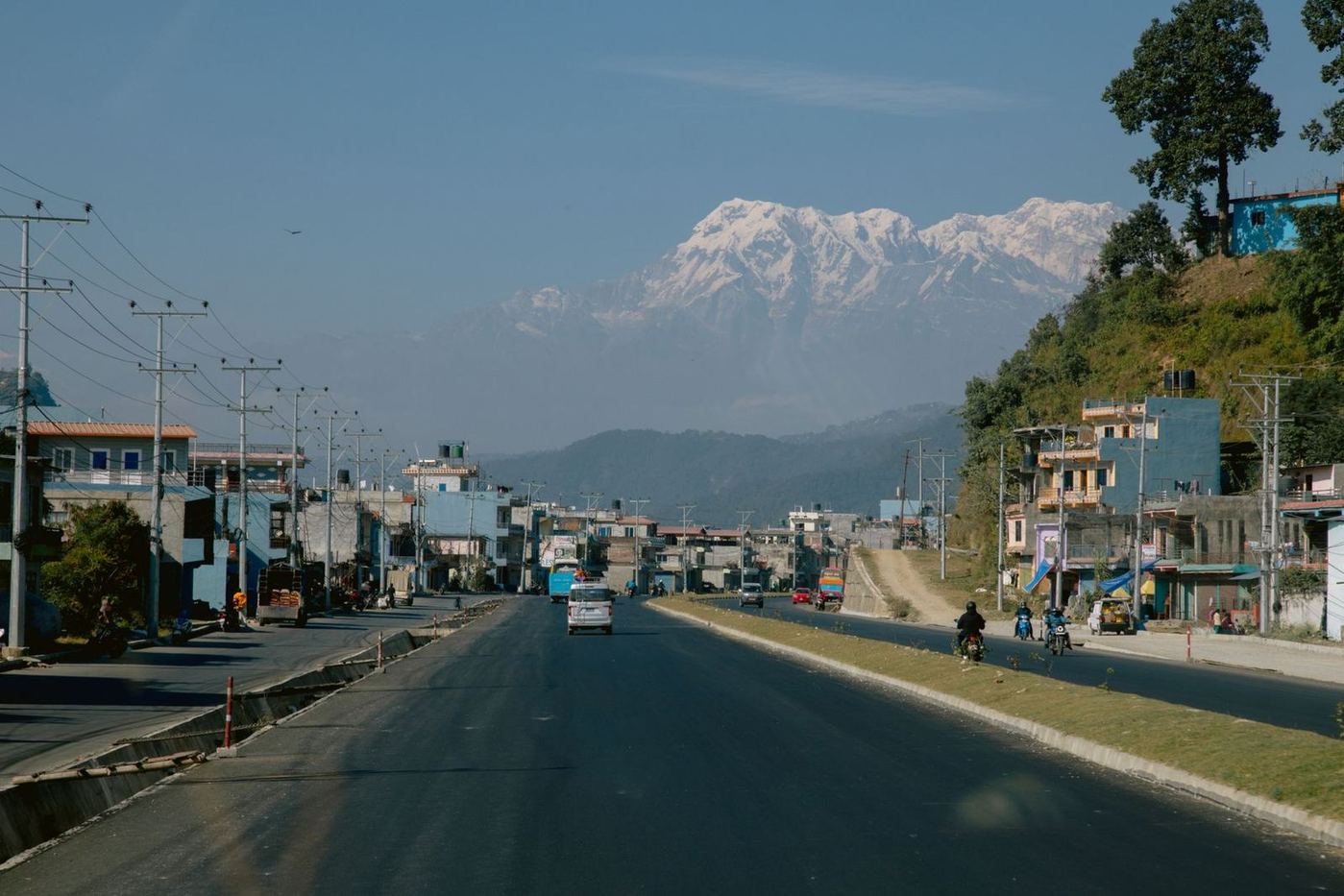
ADB's Financing for Key Corridors
The Asian Development Bank (ADB) approved a financing package totalling $305.75 million on 9 October 2026, aimed at modernising critical sections of Nepal’s East–West Highway and Prithvi Highway.
This investment is designed to enhance national and regional connectivity, improve road safety, and build resilience against natural disasters and climate change, while simultaneously safeguarding wildlife habitats.
The financial commitment comprises a $285 million loan from ADB’s ordinary capital resources, a $20 million grant sourced from the Asian Development Fund’s (ADF) regional cooperation and integration thematic window, and an additional $750,000 in technical assistance from ADB’s Technical Assistance Special Fund.
This multi-component package underscores a comprehensive approach to infrastructure development that addresses both economic and environmental objectives within Nepal.
East–West Highway Expansion and Ecological Protection
Under the SASEC Highway Improvement and Ecosystem Restoration Project, approximately 70 kilometres of the East–West Highway, specifically the segment between Narayanghat and Hetauda, will undergo rehabilitation and expansion. This section is slated to increase from two to four lanes, a move expected to significantly improve traffic flow and travel efficiency.
A notable feature of this project, as announced by the ADB on 9 October 2026, is the construction of an elevated highway section across the Barandabhar wildlife corridor. This design element is intended to restore vital wildlife movement routes between protected ecosystems within the Terai Arc Landscape, thereby reducing the incidence of vehicle-wildlife collisions.
Arnaud Cauchois, ADB Country Director for Nepal, stated that this initiative will revitalise a key transport corridor, benefiting people, businesses, and tourism, alongside restoring wildlife corridors.
Prithvi Highway Upgrades and Broader Development Goals
Further infrastructure enhancements include the expansion of the remaining 8.7-kilometre Mugling–Abukhaireni section of the Prithvi Highway to four lanes. This segment, crucial for linking Kathmandu with Pokhara, will also see the construction of new road sections and bridges, aiming to improve travel efficiency and safety along one of Nepal’s busiest routes.
The $20 million grant from the ADF, detailed by the ADB on 9 October 2026, is specifically allocated to support biodiversity conservation measures and wildlife connectivity infrastructure.
Beyond direct road improvements, this grant will also fund sustainable tourism investments in the Chitwan area, strengthen overall road safety, and provide livelihood opportunities for women through targeted training programmes, simultaneously building institutional capacity in sustainable transport planning.
Building Resilience and Strategic Alignment
The project incorporates resilient engineering measures to mitigate risks from floods and landslides, which are increasingly prevalent due to climate change. These measures, outlined by the ADB, include improved drainage systems, strengthened embankments, slope stabilisation works, and resilient bridge designs.
Such investments are critical for ensuring reliable transport connectivity in the face of escalating natural hazard and disaster risks.
The initiative aligns with Nepal’s national development priorities, focusing on improving national and regional connectivity, facilitating trade under the South Asia Subregional Economic Cooperation (SASEC) program, and promoting resilient infrastructure.
Furthermore, it supports ADB’s country partnership strategy for Nepal for the 2025–2029 period, by enhancing sustainable economic infrastructure and fostering regional integration.
Implications for Nepal's Economic Landscape
The $305.75 million financing approved by the ADB on 9 October 2026 for Nepal's highways carries direct implications for the nation's economic landscape and regional trade.
The expansion of critical sections of the East–West and Prithvi Highways is expected to reduce logistics costs and transit times for goods, benefiting businesses engaged in domestic commerce and cross-border trade, particularly with India and other SASEC members.
Improved road safety and enhanced resilience against climate-related disruptions will lower operational risks for transport and manufacturing companies, potentially attracting further investment into Nepal's industrial and tourism sectors.
Investors should monitor the project's phased completion, particularly the impact of the four-lane expansions on freight movement efficiency, and assess how these infrastructure improvements align with Nepal's broader economic development plans and the ADB's 2025–2029 country partnership strategy.
This analysis is journalism, not investment advice; consult a licensed professional before making financial decisions.
Pieces are credited to the desk that commissioned and edited them. Our editorial standards, and the desks behind them, are set out on the Editorial Standards and Team pages.
Further reading
- Briefings · Policy
Will Hong Kong's Five-Year Tax Relief Attract Major Innovation Firms?
Hong Kong lawmakers expressed reservations about the government's plan to offer 5% or 8.25% profits tax for up to five years to innovative companies, arguing the period is too short to draw new headquarters.
Continue reading → - Briefings · Markets
How does Vietnam's 9.95% Q3 growth affect its 2026 target?
Vietnam's economy expanded by 9.95% in the third quarter of 2026, marking its quickest pace in four years, yet it requires a significant acceleration in Q4 to meet its annual goal.
Continue reading → - Briefings · Markets
What does Phu My Hung's 297-unit Triton Crown reveal for Ho Chi Minh City's luxury supply?
Phu My Hung's Triton Crown, a 297-unit luxury residential project launched in late September 2026, occupies one of the last four-frontage sites in Ho Chi Minh City's central Phu My Hung district, targeting affluent buyers.
Continue reading →