
How does Vietnam's 9.95% Q3 growth affect its 2026 target?
Vietnam's economy expanded by 9.95% in the third quarter of 2026, marking its quickest pace in four years, yet it requires a significant acceleration in Q4 to meet its annual goal.
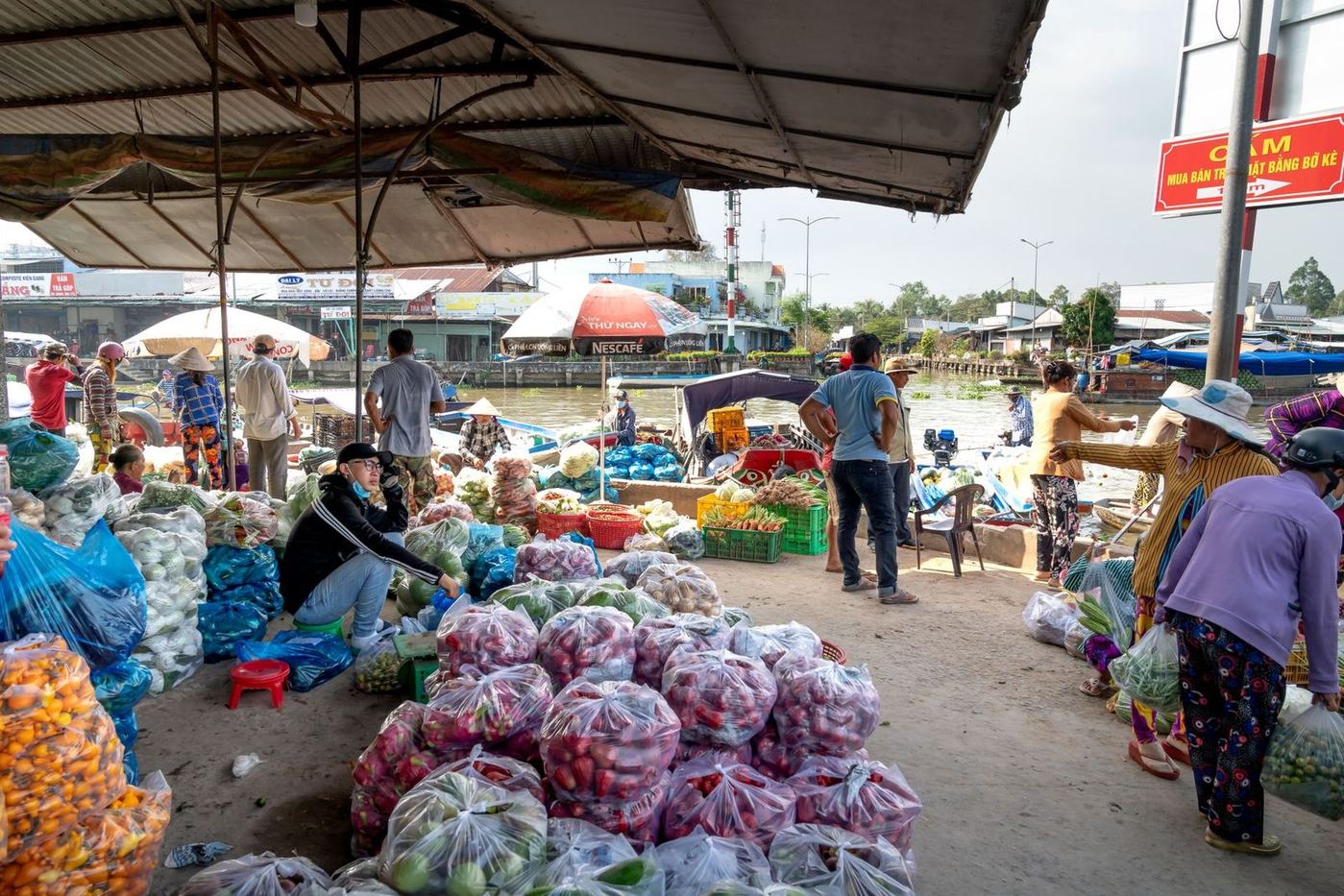
Vietnam's Third-Quarter Economic Expansion
Vietnam's economy recorded a 9.95% expansion during the third quarter of 2026, representing its fastest rate of growth in four years, according to data released by the country's statistics office on Saturday. This figure marks a notable acceleration from the revised 8.81% growth reported for the April-June period of the current year.
The robust increase in economic activity during Q3 2026 provides a clearer picture of Vietnam's post-pandemic recovery trajectory, demonstrating a consistent upward trend from earlier performance metrics. This quarterly performance is a key indicator for analysts assessing the nation's broader economic health and its capacity to sustain development initiatives.
The sustained momentum suggests that underlying economic conditions are supportive of continued expansion, influencing investor sentiment and policy considerations for the remainder of the year and into the next fiscal cycle.
Industry and Construction Drive Performance
The primary impetus behind Vietnam's accelerated economic growth in the third quarter of 2026 came from strong activity within its industry and construction sectors. These two segments provided substantial support, contributing significantly to the overall gross domestic product expansion.
The performance suggests that key productive areas of the economy are operating at increased capacity, absorbing investment, and generating output at a higher rate. This sustained output from manufacturing, processing, and infrastructure development is a critical component of Vietnam's economic structure, underpinning its export capabilities and domestic market supply chains.
The strength in these sectors indicates a foundational stability in the economy's productive base, providing a solid platform for further economic development and attracting foreign direct investment into these core areas, which are often employment-intensive.
The Path to the Annual Growth Objective
Despite the strong performance in the third quarter, Vietnam faces a considerable challenge to achieve its full-year economic growth target for 2026. To reach this annual objective, the economy must expand by approximately 12% in the fourth quarter.
This requirement implies a further, more significant acceleration beyond the Q3 rate, demanding sustained or even intensified output across key economic sectors. Policymakers and businesses will be observing indicators closely to determine if the necessary momentum can be generated in the final three months of the year, especially given global economic uncertainties.
The gap between current trajectory and the year-end goal presents a clear metric for evaluating economic policy efficacy and market responsiveness, particularly in areas like trade and investment facilitation. Meeting this ambitious target would require exceptional coordination and favourable external demand conditions.
Required Acceleration for the 2026 Goal
For decision-makers assessing Vietnam's economic outlook, the critical factor remains the required approximately 12% growth in Q4 2026 to meet the annual target. Companies operating in or planning investment in Vietnamese industry and construction should evaluate the factors that could support or hinder this further acceleration.
This includes examining supply chain stability, labour availability, and domestic demand trends, alongside the broader global economic environment.
Investors will be seeking clear indications of how the government plans to facilitate this intense final quarter push, potentially through targeted incentives, infrastructure spending, or streamlined regulatory processes to maintain momentum.
The next key data point will be the preliminary Q4 and full-year 2026 GDP figures, typically released in late December or early January, which will confirm whether this ambitious growth rate was achieved and provide definitive direction for 2027 planning and capital allocation decisions.
This analysis is journalism, not investment advice; consult a licensed professional before making financial decisions.
Pieces are credited to the desk that commissioned and edited them. Our editorial standards, and the desks behind them, are set out on the Editorial Standards and Team pages.
Further reading
- Briefings · Policy
What economic disruption does IMF foresee from AI for Asia?
The International Monetary Fund's Managing Director Kristalina Georgieva warned of AI's pervasive impact on labour markets and government revenues, while projecting up to a percentage point growth for advanced Asian economies.
Continue reading → - Briefings · Policy
Has Australian security policy curbed China research collaboration?
Despite increased security governance, co-authored educational articles between Australian and Chinese researchers rose 53.7% between 2023 and 2024, reaching a decade high.
Continue reading → - Briefings · Industry
How does Vicor's latest US import ban bid affect Taiwan's AI server firms?
Power component producer Vicor Corporation has made a second attempt this year to prevent imports of AI server power hardware from Foxconn, Quanta, and Delta into the US market.
Continue reading →