
How does Vicor's latest US import ban bid affect Taiwan's AI server firms?
Power component producer Vicor Corporation has made a second attempt this year to prevent imports of AI server power hardware from Foxconn, Quanta, and Delta into the US market.
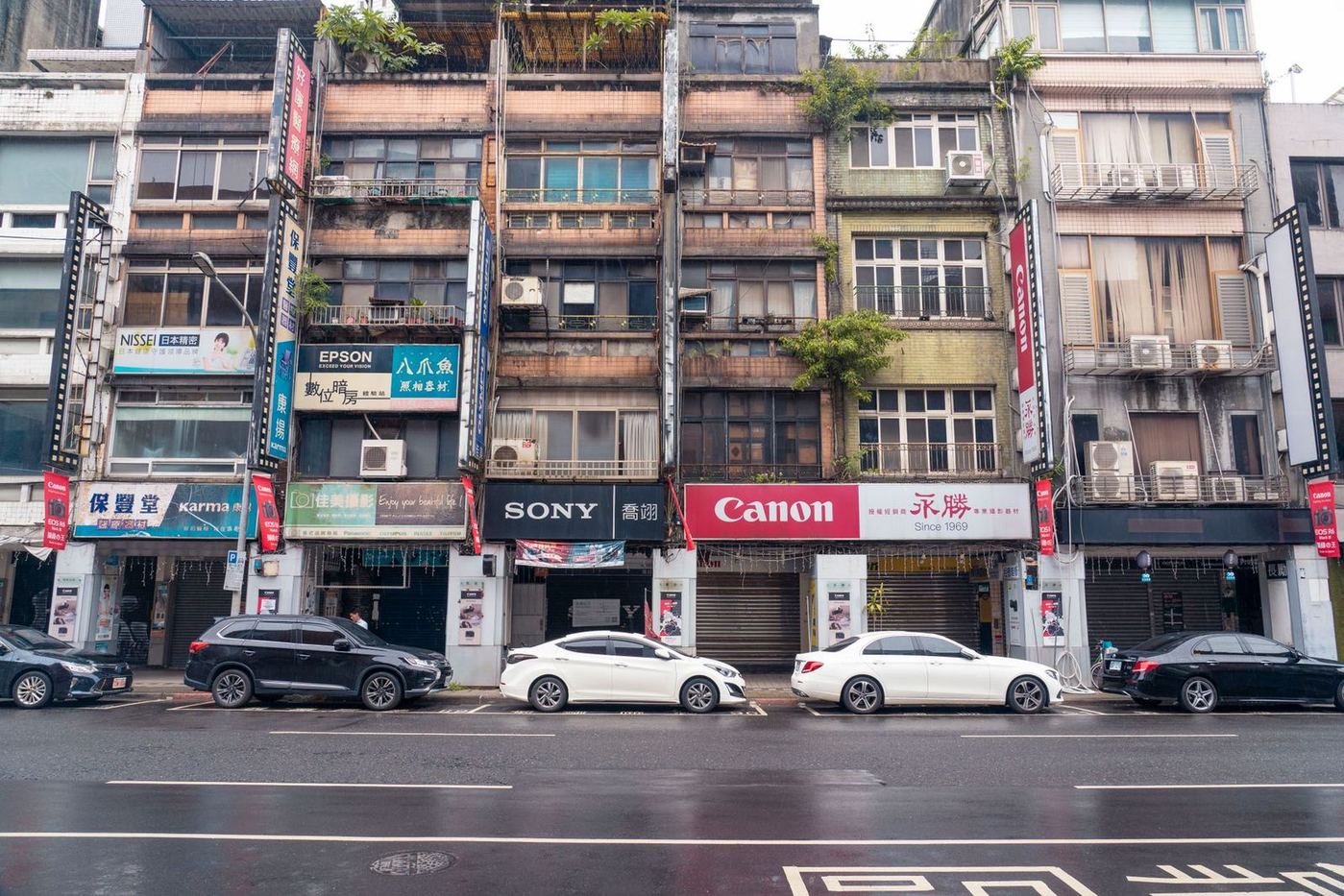
Vicor Seeks Second 2026 Import Ban on AI Server Hardware
Vicor Corporation, a manufacturer of power components, has initiated a second effort in 2026 to block the import of AI server power hardware from leading Taiwanese producers into the United States. This action targets products from Foxconn, Quanta, and Delta, all significant players in the global technology supply chain.
The move, reported by DigiTimes on 11 October 2026, marks a renewed push by Vicor to leverage import restrictions, building on its previous successes in securing such bans. The focus is on critical power infrastructure components essential for artificial intelligence servers, highlighting ongoing intellectual property disputes within the high-tech manufacturing sector.
These components are integral to the performance and reliability of advanced computing systems, making their supply a strategic concern for both manufacturers and end-users.
Targeted Taiwanese Manufacturers and Product Scope
The import ban bid specifically names Foxconn, Quanta Computer, and Delta Electronics, three companies central to Taiwan's technology export economy and key suppliers to the global AI server market.
Foxconn, known formally as Hon Hai Precision Industry, and Quanta are among the largest contract manufacturers of servers worldwide, while Delta Electronics is a prominent provider of power management solutions. The hardware in question consists of power components designed for AI servers, which are high-value, specialised products.
A successful ban could therefore disrupt a critical segment of the supply chain for advanced computing infrastructure in the United States, potentially affecting the availability and cost of these components for US-based server integrators and data centres, as noted by DigiTimes on 11 October 2026.
Precedent and Potential Market Repercussions
Vicor Corporation's history of securing similar import prohibitions suggests that this latest attempt carries a tangible risk for the targeted Taiwanese firms. Previous successful bans indicate a legal precedent that could influence the outcome of the current proceedings.
Should the ban be implemented, it would necessitate a re-evaluation of supply chain strategies for both the affected Taiwanese manufacturers and their US customers. Buyers of AI server power hardware in the United States might need to identify alternative suppliers or face potential delays and increased costs associated with sourcing components from non-restricted channels.
This situation underscores the ongoing challenges in global technology trade, where intellectual property disputes can directly influence market access and operational continuity, as observed on 11 October 2026.
Implications for Asia's AI Server Industry
For decision-makers within Taiwan's AI server manufacturing sector, including executives at Foxconn, Quanta, and Delta, the immediate concern is the potential for disrupted US market access for their power hardware. Companies will need to assess their legal defence strategies and, concurrently, explore contingency plans for their export operations to the United States.
This could involve re-routing supply chains, diversifying manufacturing locations, or accelerating development of alternative products not subject to the dispute.
The outcome of this second 2026 bid will provide clarity on the operational landscape for Q4 2026 and into 2027, directly influencing production schedules, inventory management, and capital allocation decisions for these major Asian technology firms.
This analysis is journalism, not investment advice; consult a licensed professional before making financial decisions.
Pieces are credited to the desk that commissioned and edited them. Our editorial standards, and the desks behind them, are set out on the Editorial Standards and Team pages.
Further reading
- Briefings · Policy
What economic disruption does IMF foresee from AI for Asia?
The International Monetary Fund's Managing Director Kristalina Georgieva warned of AI's pervasive impact on labour markets and government revenues, while projecting up to a percentage point growth for advanced Asian economies.
Continue reading → - Briefings · Policy
Has Australian security policy curbed China research collaboration?
Despite increased security governance, co-authored educational articles between Australian and Chinese researchers rose 53.7% between 2023 and 2024, reaching a decade high.
Continue reading → - Briefings · Markets
How does Vietnam's 9.95% Q3 growth affect its 2026 target?
Vietnam's economy expanded by 9.95% in the third quarter of 2026, marking its quickest pace in four years, yet it requires a significant acceleration in Q4 to meet its annual goal.
Continue reading →