
Micronesia gets ADB grant to tackle 76% fuel cost surge
The Asian Development Bank approved a $5.6 million grant on 23 October 2026 to support the Federated States of Micronesia's $20 million Crisis Response Plan, which includes a Fuel Stabilisation Fund.
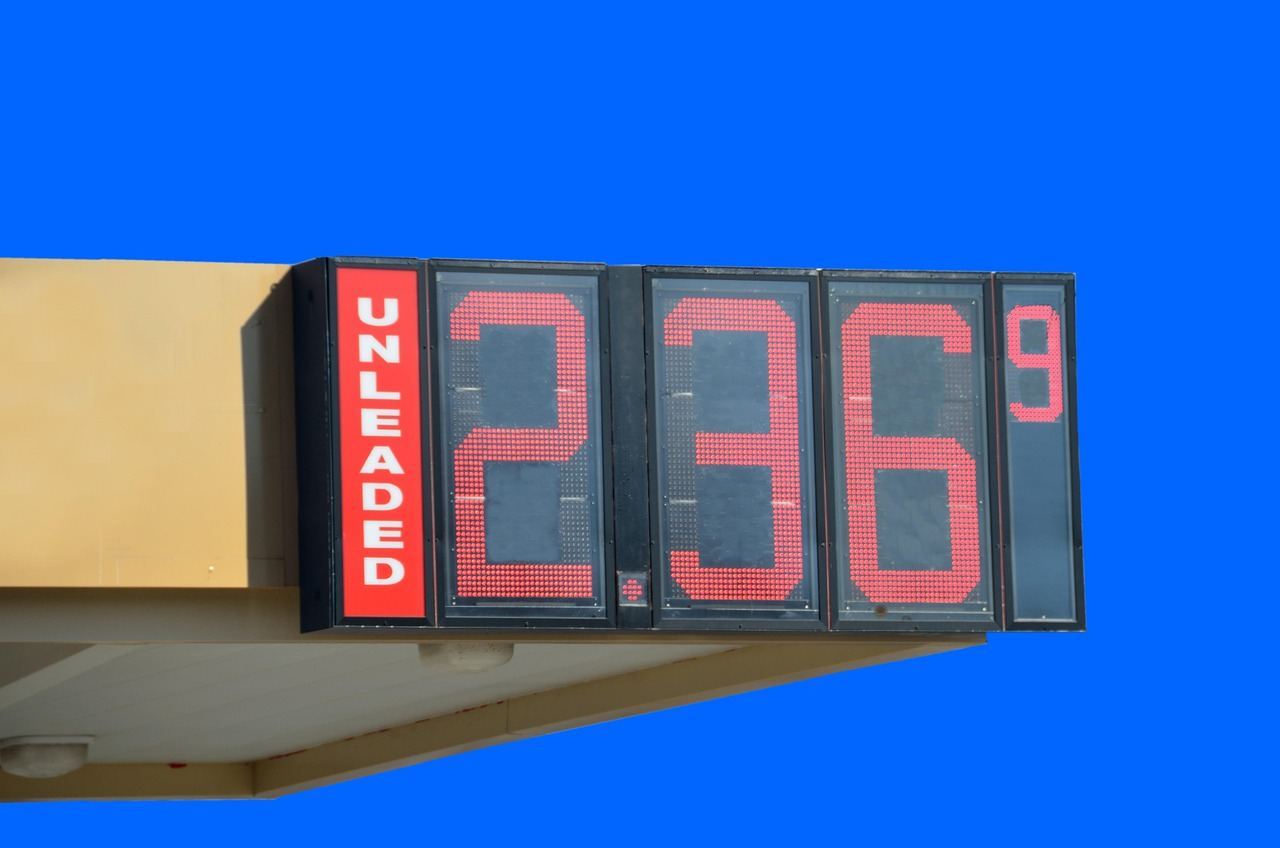
ADB Finances Micronesia's Fuel Stabilisation Fund
The Asian Development Bank (ADB) approved a $5.6 million grant on 23 October 2026 to assist the Federated States of Micronesia (FSM) in managing elevated fuel expenses. This funding contributes to the FSM government’s broader $20 million Crisis Response Plan, which features a $15 million Fuel Stabilisation Fund.
The objective of this fund is to mitigate the impact of sharp increases in petroleum prices, ensuring the continuity of essential public services throughout the Pacific island nation. ADB President Masato Kanda noted the critical role of fuel in maintaining vital connections, such as boat transport for medicine to outer islands, which must not be disrupted by external events.
Rising Fuel Costs Deplete National Reserves
The FSM Petroleum Corporation, a state-owned entity, reported a 76% increase in its daily fuel costs, a development that has rapidly depleted national reserves designated for price stabilisation. These reserves were projected to be exhausted by the close of October 2026.
The Federated States of Micronesia relies entirely on imported petroleum, rendering its economy particularly susceptible to global price fluctuations. The surge in costs, partly attributed to the Middle East conflict, has already led to higher electricity tariffs across the country, with Kosrae experiencing an increase of over 32%.
Furthermore, elevated transport expenses have compelled health authorities to curtail visits to remote islands, affecting medical supply deliveries and immunisation programmes.
Support for Vulnerable Households and Public Services
Beyond direct fuel price management, the FSM Crisis Response Plan aims to maintain essential public services and provide temporary financial aid to vulnerable households. The programme is designed to help at least 29,000 individuals in low-income homes sustain access to necessary goods and services.
To facilitate this, the government intends to update its national social registry to accurately identify and support those most in need, particularly in distant communities where both transport and living costs are highest. This initiative is also intended to strengthen the country's capacity to withstand future economic disruptions.
Pathway to Renewable Energy Independence by 2030
The ADB grant, financed through the Asian Development Fund’s Countercyclical Support Facility, covers 28% of the government's estimated $20 million financing gap for its crisis response. This assistance reduces the necessity for additional borrowing and protects funds allocated for other essential services.
This immediate aid complements existing ADB-supported projects, valued at $44.4 million, focused on renewable energy and enhancing the resilience of energy and water systems.
These ongoing efforts are designed to reduce the Federated States of Micronesia's reliance on imported diesel, advancing its strategic goal of generating 70% of its electricity from renewable sources by 2030.
Implications for FSM's Energy Transition Timeline
The immediate financial injection from the ADB grant provides critical short-term relief for the Federated States of Micronesia, allowing the government to stabilise fuel prices and protect public services from the 76% cost surge. However, the underlying challenge of complete reliance on imported petroleum remains central to FSM's long-term economic stability.
The success of the crisis response is thus closely linked to the accelerated implementation of the country's renewable energy initiatives.
Decision-makers will need to monitor the progress of the $44.4 million in ADB-supported renewable energy projects, particularly their contribution towards the 70% renewable electricity target by 2030, as this transition will determine the nation's future resilience against external energy price shocks.
This analysis is journalism, not investment advice; consult a licensed professional before making financial decisions.
Pieces are credited to the desk that commissioned and edited them. Our editorial standards, and the desks behind them, are set out on the Editorial Standards and Team pages.
Further reading
- Briefings · Markets
What is the premature redemption price for India's SGB 2021-22 Series VII?
The Reserve Bank of India has set the early redemption price for Sovereign Gold Bond 2021-22 Series VII at ₹14,167 per unit, applicable to those opting out on November 2, 2026.
Continue reading → - Briefings · Industry
What efficiency gains does TBC's mischief 1 AI offer video creators?
San Francisco-based The Biological Computing Co. launched its mischief 1 image-to-video AI model on 30 October 2026, claiming generation speeds five times faster than its foundational technology.
Continue reading → - Briefings · Policy
ADB loans $139.55m to boost Puducherry water, sanitation
The Asian Development Bank approved a $139.55 million loan on 30 October 2026 to enhance Puducherry's water, sanitation, and public spaces, aiming to boost the Indian city's competitiveness for investment and tourism.
Continue reading →