
Why is Australia's inflation outlook worsening after RBA rate hike?
The Reserve Bank of Australia raised its cash rate by 25 basis points in October 2026, bringing the cumulative increase this year to 100 basis points, as inflation persists above 3.5%.
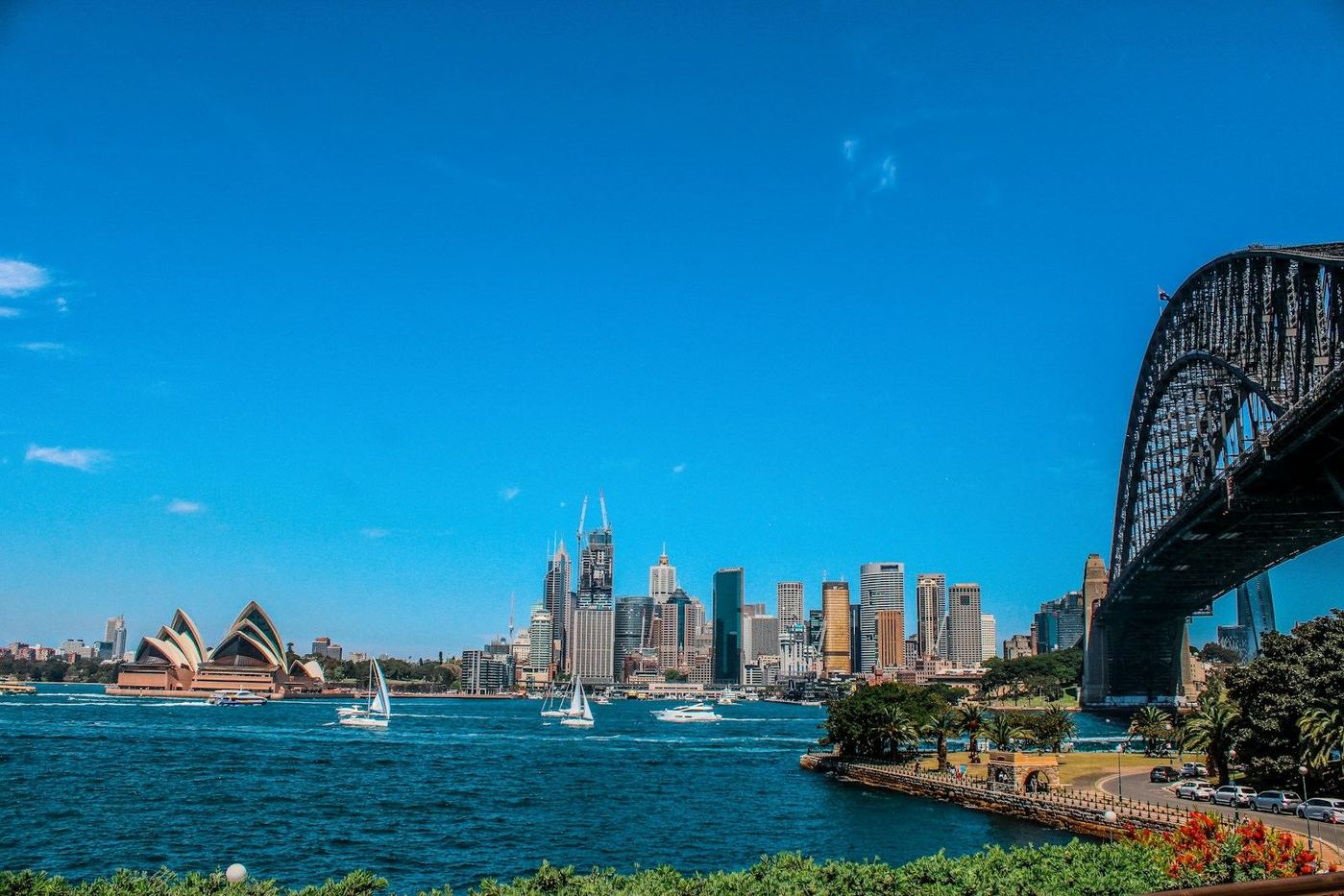
Reserve Bank of Australia Raises Cash Rate
The Reserve Bank of Australia (RBA) increased its cash rate target by 25 basis points in October 2026, marking a cumulative rise of 100 basis points for the year. This decision, communicated by Governor Michele Bullock to the Senate Economics Legislation Committee on 28 October 2026, aims to bring inflation back within the RBA's 2–3 per cent target range.
Despite previous monetary policy tightening in 2022 and 2023, which saw inflation fall to target levels in 2024 and 2025, price growth has accelerated since the second half of 2025. Inflation has recently stabilised between 3.5 per cent and 4 per cent in year-ended terms, remaining above the central bank's desired band.
Domestic Demand Sustains Price Pressures
A key driver of Australia's persistent inflation stems from domestic capacity pressures, according to Governor Bullock's statement on 28 October 2026. Despite a slight increase in the unemployment rate, the labour market remains tighter than previously assessed, contributing to underlying inflationary pressures.
This is evident in price movements for goods and services that are less volatile than fuel, reflecting strong internal demand. Furthermore, continued weak productivity growth means the Australian economy struggles to expand significantly without generating inflationary pressure.
This structural challenge impacts real spending power and necessitates a period of subdued aggregate demand to alleviate capacity constraints and achieve sustainable inflation reduction.
Global Shocks Add to Inflationary Outlook
Beyond domestic factors, global cost pressures are compounding Australia's inflation challenge. The RBA noted on 28 October 2026 that the re-escalation of conflict in the Middle East has led to significantly higher global energy prices, particularly for oil.
These increased costs are expected to directly and indirectly add to inflation as businesses pass on higher transport and related expenses. Additionally, the global artificial intelligence (AI) boom and extreme weather events are contributing to upward price pressures across various agricultural and technology-related sectors.
The AI boom, in particular, is driving stronger growth in key supply chain economies, leading to higher global prices for supply-constrained AI technologies.
Inflation Expected to Remain Elevated Longer
The combination of domestic and global factors has led the RBA to revise its inflation forecasts. The August Statement on Monetary Policy had projected inflation to return to the midpoint of the target range by late 2027.
However, developments since August 2026, including the materialisation of international and domestic upside risks, suggest that inflation will likely be higher and persist longer than initially anticipated.
Governor Bullock stated on 28 October 2026 that while economic growth is slowing as expected, the elevated short-term inflation expectations and increased cost pressures mean a further period of subdued growth in aggregate demand is essential to reduce capacity pressures and bring inflation down sustainably.
Implications for Regional Monetary Policy
Australia's experience with persistent inflation, driven by a mix of domestic capacity constraints and global cost shocks, mirrors challenges faced by several other economies in the Asia-Pacific region. The RBA's decision to continue tightening monetary policy, even as growth slows, underscores a regional trend among central banks prioritising inflation control.
Policymakers and investors across Asia may observe similar pressures from elevated energy prices and supply chain disruptions, influencing their own monetary stances.
For instance, central banks in economies with tight labour markets and strong domestic demand, such as Singapore or South Korea, might face comparable dilemmas in balancing growth objectives with inflation targets, potentially leading to continued vigilance on interest rates into early 2027.
This analysis is journalism, not investment advice; consult a licensed professional before making financial decisions.
Pieces are credited to the desk that commissioned and edited them. Our editorial standards, and the desks behind them, are set out on the Editorial Standards and Team pages.
Further reading
- Briefings · Policy
What will ADB's €620 million loan mean for Türkiye's healthcare capacity?
The Asian Development Bank has approved a €620 million loan, complemented by €182 million from the Government of Türkiye, to fund nine new public hospitals and increase annual inpatient capacity by nearly 300,000 by 2033.
Continue reading → - Briefings · Industry
What efficiency gains does TBC's mischief 1 AI offer video creators?
San Francisco-based The Biological Computing Co. launched its mischief 1 image-to-video AI model on 30 October 2026, claiming generation speeds five times faster than its foundational technology.
Continue reading → - Briefings · Markets
What is the premature redemption price for India's SGB 2021-22 Series VII?
The Reserve Bank of India has set the early redemption price for Sovereign Gold Bond 2021-22 Series VII at ₹14,167 per unit, applicable to those opting out on November 2, 2026.
Continue reading →