
Singapore's urban cooling challenge: 5°C rise by century's end
Singapore faces a projected annual mean temperature rise of up to 5 degrees Celsius by the century's end, according to the Centre for Climate Research Singapore, necessitating integrated urban cooling strategies.
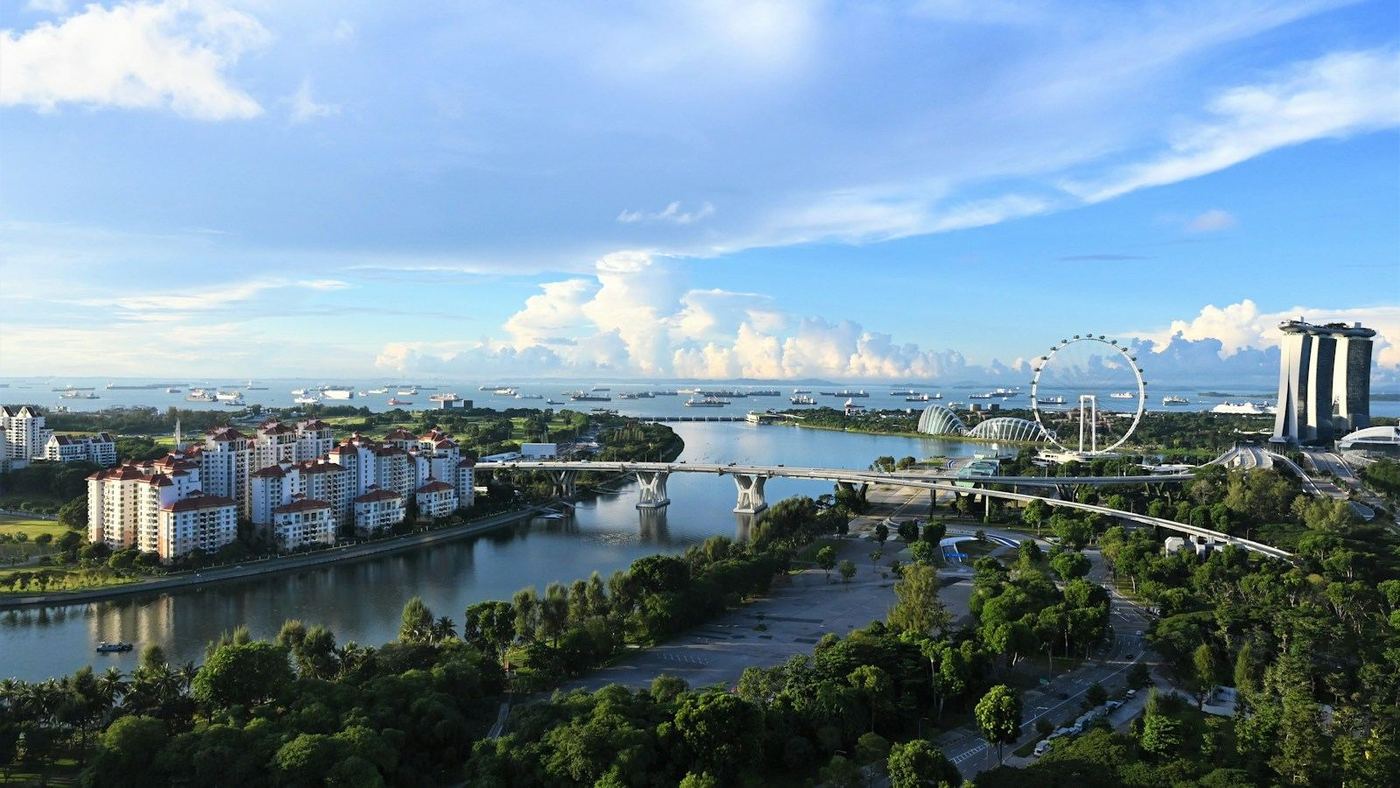
Singapore's Warming Urban Environment
Singapore's urban landscape is contending with a significant increase in average temperatures, driven by both global climate shifts and localised urbanisation effects.
The Centre for Climate Research Singapore's latest projections, available as of October 2026, indicate that the city-state's annual mean temperature could rise by as much as 5 degrees Celsius by the close of the century.
This forecast highlights the dual challenge posed by climate change, which elevates background temperatures worldwide, and the urban heat island phenomenon, where dense infrastructure and reduced natural spaces contribute to further local warming within the city.
Scaling Integrated Cooling Strategies
While Singapore possesses a range of advanced solutions for heat mitigation, the critical hurdle now involves their comprehensive and effective integration across the entire urban fabric. Existing technologies and methods are largely mature; however, their widespread deployment at scale remains a complex endeavour.
This necessitates a strategic shift from implementing isolated cooling measures to developing a cohesive framework for urban design and infrastructure. The objective is to ensure that these solutions work in concert to significantly reduce ambient temperatures across the city-state, rather than offering fragmented relief.
Balancing Development with Environmental Goals
Urban planners in Singapore are under increasing pressure to reconcile the demands of ongoing development with the urgent need to mitigate rising temperatures, particularly as the city's natural green cover diminishes.
The continued reduction of forest areas within urban zones intensifies the imperative to incorporate effective cooling strategies into all new projects and existing infrastructure.
Achieving this balance requires careful consideration of how new construction impacts local temperatures and how green spaces can be preserved, expanded, or innovatively integrated to act as natural temperature regulators within a densely built environment.
Strategic Priorities for the Built Environment
For decision-makers within Singapore's built environment sector, the Centre for Climate Research Singapore's projection of a potential 5-degree Celsius temperature rise by the century's end mandates a proactive approach. Future urban development must prioritise large-scale, integrated cooling measures that move beyond conventional solutions.
This implies a strategic re-evaluation of design principles, material selection, and the incorporation of green and blue infrastructure to build climate resilience from the outset.
Companies involved in construction and urban planning will need to embed these considerations into their long-term strategies to ensure the city remains liveable and economically productive amidst a hotter future.
This analysis is journalism, not investment advice; consult a licensed professional before making financial decisions.
Pieces are credited to the desk that commissioned and edited them. Our editorial standards, and the desks behind them, are set out on the Editorial Standards and Team pages.
Further reading
- Briefings · Policy
What will the ADB's $139.55 million loan deliver for Puducherry's urban infrastructure?
The Asian Development Bank approved a $139.55 million loan on 30 October 2026 to enhance Puducherry's water, sanitation, and public spaces, aiming to boost the Indian city's competitiveness for investment and tourism.
Continue reading → - Briefings · Policy
How will ADB's $104.5 billion financing reshape its Asia-Pacific operations?
The Asian Development Bank's first Strategic Business Outlook details $104.5 billion for 2027–2029, alongside reforms to enhance project preparation and delivery across the region.
Continue reading → - Briefings · Policy
Do contingent tariffs in trade agreements reduce deforestation?
New research suggests that linking market access to forest conservation could prevent agricultural expansion and even lead to reforestation, with implications for Asian nations negotiating with the European Union.
Continue reading →