
Singapore HDB: 11,000 homes from Maju Forest, Gillman Barracks
Singapore's Housing & Development Board (HDB) announced revised plans on 28 October 2026, aiming to construct approximately 11,000 residential units on the Maju Forest and Gillman Barracks sites while retaining more green spaces and heritage buildings.
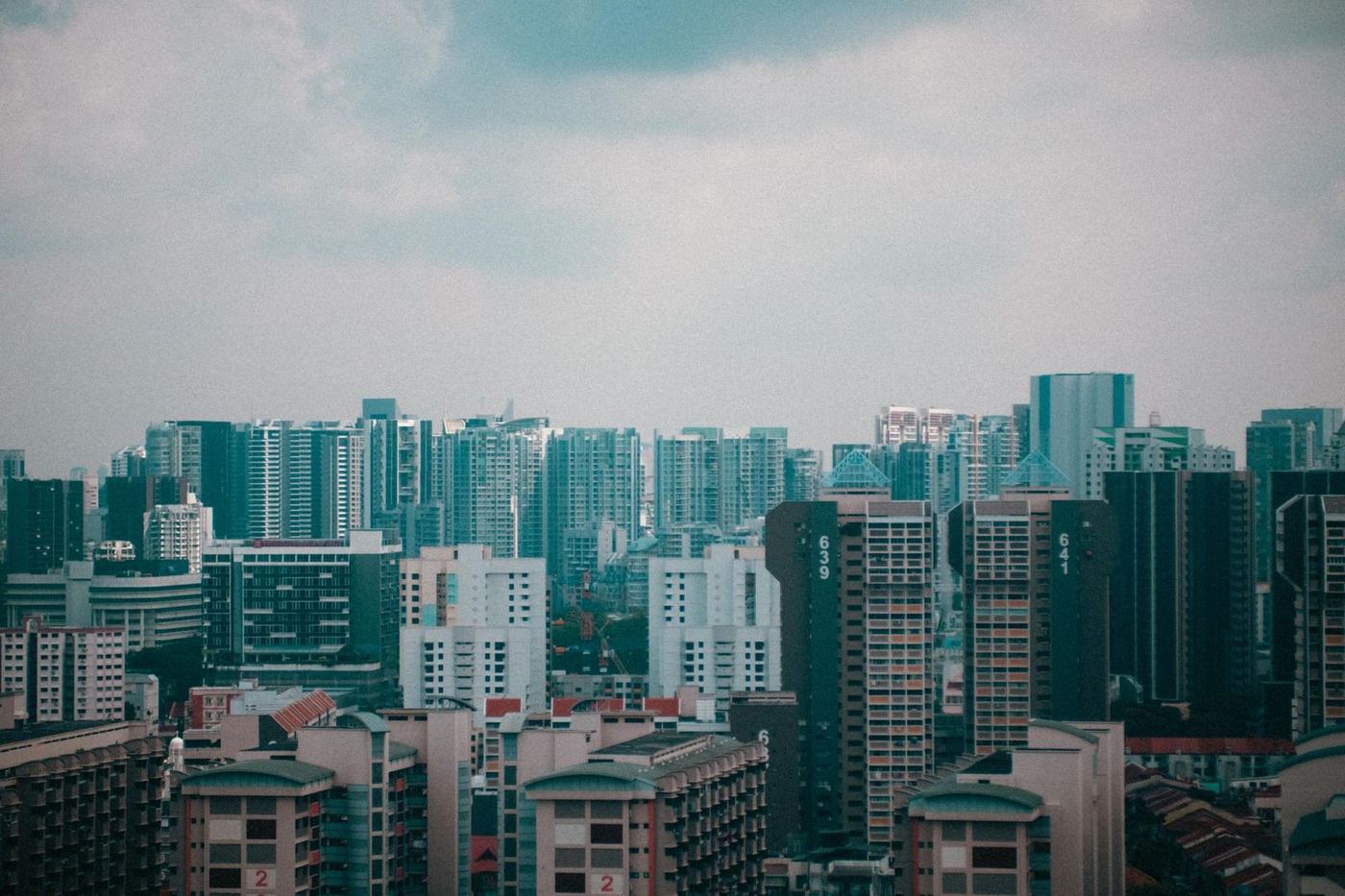
Revised plans for 11,000 new homes
Singapore's Housing & Development Board (HDB) announced on 28 October 2026 that it plans to develop approximately 11,000 new homes across two key sites: Maju Forest and Gillman Barracks. These updated proposals, developed after extensive public feedback, aim to balance urban development with environmental preservation.
The total figure comprises around 9,500 public housing units and 1,500 private residences. Specifically, Maju Forest is slated to contribute about 4,000 public housing units, while Gillman Barracks will yield approximately 7,000 homes, consisting of 5,500 public and 1,500 private units.
The HDB intends to utilise the remaining developable land efficiently, including through the construction of taller residential blocks, to meet housing demand while accommodating increased green spaces.
Increased greenery retention at both sites
A central feature of the revised development strategy is the preservation of additional green areas at both locations. At Maju Forest, the retained greenery will expand to approximately 10 hectares, an increase from the initial 8 hectares, representing about 45 per cent of the 23-hectare study area.
This additional 2 hectares is primarily located in the southern part of the site, intended to create a larger, continuous green zone and enhance ecological connectivity along the Clementi Nature Corridor. This preserved area will be designated as a new nature park. Similarly, at Gillman Barracks, about 12 hectares of greenery will be set aside, up from 8 hectares previously.
This constitutes approximately 60 per cent of the site's 20 hectares of existing greenery, with the additional 4 hectares focusing on preserving forest around a central hillock and widening the ecological corridor along Lock Road and Malan Road. This retained greenery will be integrated into the forthcoming Alexandra Nature Park, part of the larger Labrador Nature Park Network.
Development timelines and heritage preservation
The HDB outlined phased commencement for development works. Site activities at Gillman Barracks are projected to begin in the second half of 2027, starting with the demolition of existing structures, followed by land preparation works in 2029.
At Maju Forest, land preparation is scheduled to commence in the first half of 2028, at which point public access to the site will be restricted. Prior to these major works, various agencies may conduct technical studies, including soil investigations.
Furthermore, the revised plans for Gillman Barracks also include the retention of 25 buildings identified for their exceptional or high heritage significance. These structures, clustered along Preston Road, Lock Road, and Malan Road, are earmarked for potential repurposing into commercial spaces and amenities to serve future residents of the housing estate.
Balancing housing needs with environmental concerns
Minister of State for National Development Alvin Tan stated on 28 October 2026 that the revised plans reflect a considered balance between increasing housing supply and responding to public input on environmental preservation.
The public consultation exercise, conducted from July to August 2026, saw approximately 7,200 submissions concerning Maju Forest and 2,300 for Gillman Barracks, along with engagements with various community and professional groups.
Tan noted that while the original proposals could have accommodated a higher number of homes, the current figures were established following these consultations.
The government's commitment is to provide accessible and affordable homes in desirable, central locations while preserving as much green space as possible, indicating a strategic adaptation of urban planning to community preferences.
Implications for Singapore's property market
The planned introduction of approximately 11,000 new homes over the next decade, with initial site works beginning in late 2027, signifies a consistent supply injection into Singapore's housing market. This initiative, driven by the HDB, aims to address the ongoing demand for affordable housing, particularly in central and well-connected areas.
The emphasis on taller blocks to maximise land use, alongside the preservation of significant green and heritage spaces, reflects a multi-faceted urban development strategy.
For investors and developers, monitoring the detailed release schedules of these units and the specific allocation between public and private housing will be crucial for assessing market absorption and future pricing trends. Further details on specific development phases are expected to be shared as they become available.
This analysis is journalism, not investment advice; consult a licensed professional before making financial decisions.
Pieces are credited to the desk that commissioned and edited them. Our editorial standards, and the desks behind them, are set out on the Editorial Standards and Team pages.
Further reading
- Briefings · Policy
What will the ADB's $139.55 million loan deliver for Puducherry's urban infrastructure?
The Asian Development Bank approved a $139.55 million loan on 30 October 2026 to enhance Puducherry's water, sanitation, and public spaces, aiming to boost the Indian city's competitiveness for investment and tourism.
Continue reading → - Briefings · Policy
How will ADB's $104.5 billion financing reshape its Asia-Pacific operations?
The Asian Development Bank's first Strategic Business Outlook details $104.5 billion for 2027–2029, alongside reforms to enhance project preparation and delivery across the region.
Continue reading → - Briefings · Policy
Do contingent tariffs in trade agreements reduce deforestation?
New research suggests that linking market access to forest conservation could prevent agricultural expansion and even lead to reforestation, with implications for Asian nations negotiating with the European Union.
Continue reading →