
ADB: Coastal threats cost Asia-Pacific, resilience pays 20x
Asia-Pacific coastlines generate $7 trillion in annual economic output but face intensifying hazards. A new Asian Development Bank report suggests resilience investment could yield benefits up to 20 times the outlay.
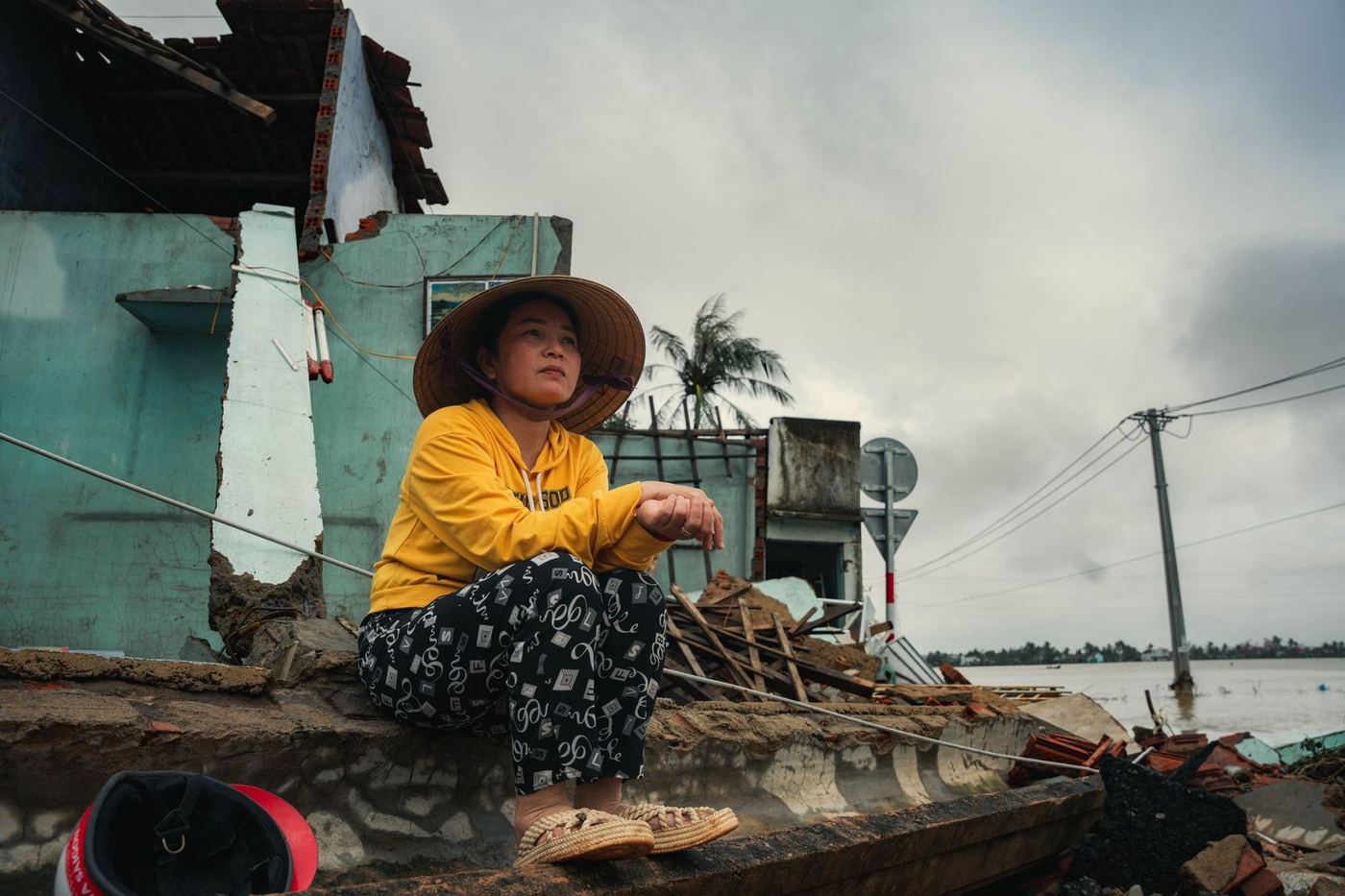
Critical Economic Contribution and Mounting Risks
The Asia and Pacific region's coastlines are crucial for its economic future, contributing an estimated $7 trillion in annual economic output, according to a report released by the Asian Development Bank (ADB) on 21 October 2026.
These coastal areas are home to over 400 million people, representing more than one in ten inhabitants in developing member countries with a coastline, many of whom reside within 10 kilometres of the sea. Despite their economic significance as hubs for trade, ports, and tourism, these regions are increasingly exposed to environmental hazards, including rising sea levels.
The ADB report, titled "Asia–Pacific Climate Report 2026: Coastal Risks on the Rise—Actions for a Resilient Future," warns that without adequate protective measures, the economic and human toll from these threats will escalate significantly.
Projected Increase in Flood Damages
The financial impact of coastal flooding in Asia and the Pacific is projected to increase dramatically without adaptation strategies. Current annual coastal flood damages are approximately $27 billion.
However, the ADB's 21 October 2026 report estimates these damages could rise to between $172 billion and $199 billion annually by 2050, and further to $520 billion to $739 billion per year by 2100.
These projections, based on estimates across 30 coastal economies, indicate a more than sixfold increase by mid-century and nearly a twentyfold increase by the century's end, underscoring the accelerating nature of the risks.
Yevgeniy Zhukov, Director General of ADB’s Climate Change and Sustainable Development Department, described coasts as an "overlooked engine-room" now "retreating in the face of rising seas and escalating hazards."
The Economic Case for Resilience Investment
Investing in coastal protection presents a strong economic return, according to the ADB's 21 October 2026 analysis. To maintain annual flood damages near current levels, an estimated $9 billion to $19 billion in coastal protection investment would be required each year. Such an investment could prevent between $178 billion and $360 billion in flood damages annually.
The report highlights that the benefits derived from investing in resilience could be up to 20 times greater than the initial capital outlay. This substantial return on investment provides a clear economic incentive for governments and private entities to prioritise adaptive measures now, rather than incurring significantly higher costs in future.
Concentrated Risks in Major Urban and Atoll Economies
The ADB report, released 21 October 2026, identifies specific areas facing acute risks. Major coastal cities such as Bangkok, Jakarta, Kolkata, and Mumbai, which historically experienced significant floods once every century, could face such events annually by 2100 without effective adaptation.
Furthermore, the region's ports, crucial for global trade, are particularly vulnerable, with an estimated $40 billion to $45 billion at risk each year from disruptions. While larger economies may face the highest absolute economic losses, the relative impact on small island developing states, particularly atoll nations, is projected to be severe.
Annual flood damage in these nations could reach 30% to 60% of their gross domestic product by 2100 under a high-emissions scenario, posing an existential threat to their economies.
Mobilising Finance to Close the Adaptation Gap
Addressing the escalating coastal risks requires significant and sustained financing, according to the ADB's 21 October 2026 findings. International adaptation finance for coastal economies in Asia and the Pacific increased from approximately $5 billion in 2015 to an average of $11.4 billion annually during 2022–2023. Despite this growth, a substantial financing gap persists.
The report stresses that public finance forms the foundation for coastal resilience investments, but closing this gap will necessitate expanding fiscal capacity and mobilising additional funds from public, private, and concessional sources for long-term resilience initiatives.
Decision-makers must focus on integrating adaptive planning into development decisions, strengthening institutional frameworks, and ensuring sustained implementation to secure these vital economic assets.
This analysis is journalism, not investment advice; consult a licensed professional before making financial decisions.
Pieces are credited to the desk that commissioned and edited them. Our editorial standards, and the desks behind them, are set out on the Editorial Standards and Team pages.
Further reading
- Briefings · Industry
What new rare earth processing methods is the US funding?
Washington is investing in private firms to develop novel rare earth refining techniques, aiming for self-sufficiency as Beijing restricts refining technology and skilled personnel exports.
Continue reading → - Briefings · Industry
How is Etihad Airways boosting Bangkok flight capacity for peak season?
The carrier has deployed Airbus A380 superjumbos on its daily route to the Thai capital, increasing passenger capacity by approximately 30% compared to its A350 fleet.
Continue reading → - Briefings · Markets
What will ECB's €50 billion EUREP facility mean for global euro liquidity?
The Eurosystem repo facility for central banks, updated this year, provides standing access and significant same-day liquidity to non-euro area central banks to manage euro funding needs.
Continue reading →