
Etihad Airways deploys A380s, boosts Bangkok capacity by 30%
The carrier has deployed Airbus A380 superjumbos on its daily route to the Thai capital, increasing passenger capacity by approximately 30% compared to its A350 fleet.
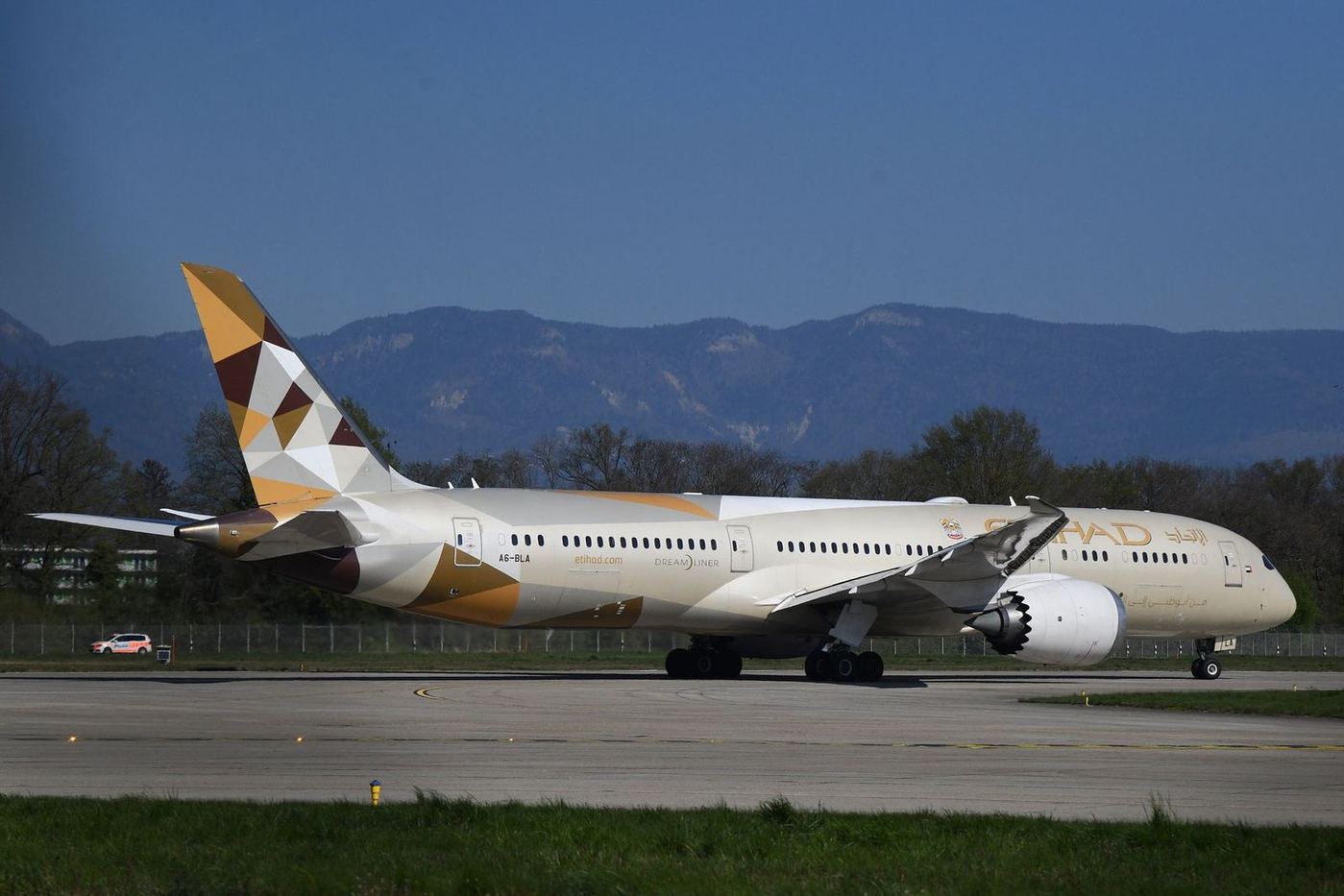
Capacity Expansion to Bangkok
Etihad Airways has significantly expanded its passenger capacity for the high travel season by deploying Airbus A380 superjumbos on its daily service to Bangkok. This strategic move increases seating by approximately 30% compared to the A350 aircraft previously utilised on the route.
The airline aims to capitalise on robust long-haul travel demand, particularly within the premium luxury segments targeting the Thai capital. This expansion aligns with Etihad's broader operational growth, as its overall global flight capacity has already surpassed last year's figures, growing by 15-18% and maintaining an average load factor of 88%.
This information was provided by Lena Havia, the airline's Vice President of Alliance and Joint Ventures. The airline has successfully integrated eight of its nine acquired A380 jets into its fleet, with the final aircraft scheduled to join by January 2027, further bolstering its wide-body capabilities.
Expanding A380 Network and Premium Offerings
The deployment of the A380s extends beyond Bangkok, with Etihad planning to introduce the superjumbo on its Singapore route starting in December. These high-capacity aircraft currently serve other major demand routes including Tokyo, London, Paris, and Toronto, reflecting a global strategy for premium travel.
Each Etihad A380 is configured with a distinctive four-tier cabin layout, designed to cater to diverse passenger needs. This includes "The Residence," a unique three-room suite capable of accommodating up to two guests, alongside nine First Class suites, 70 Business Class seats, and 415 Economy Class seats.
This strong emphasis on premium services forms a core part of Etihad's competitive approach, especially on long-haul connections between Europe and Asia. Myka D'Souza, the airline's General Manager for CAPA South, specifically highlighted a "huge demand" for premium luxury travel within the Bangkok market.
Operational Confidence and Hub Security
Despite ongoing regional conflicts in the Middle East, Etihad Airways has reiterated its confidence in the safety and security of its operational footprint within the area. Ms. D'Souza assured that the airline's priority is the safety of its passengers and crew, stating that no flights would operate if any security concerns were identified.
She further underscored the robust security measures in place at the airline's primary hub in Abu Dhabi, United Arab Emirates. To enhance its appeal to international travellers, particularly those transiting through its hub, Etihad offers a comprehensive stopover programme.
This initiative includes complimentary accommodation in Abu Dhabi for one or two days, discounts for major local attractions, and up to 15 days of complimentary medical insurance, effectively incentivising longer layovers and encouraging local tourism.
Thailand Market Presence and Future Plans
Etihad Airways maintains a substantial and growing presence within the Thai aviation market, currently operating approximately 92 flights per week, which averages out to about 14 daily services, across four key destinations.
These include the capital city of Bangkok, alongside popular tourist hubs such as Phuket, Krabi, and Chiang Mai, demonstrating a broad reach within the country.
Looking ahead, the airline is also investing in its fleet modernisation, with plans to unveil a new cabin design for its A330neo aircraft next year, aiming to further elevate the passenger experience across its diverse fleet.
This continuous investment in both capacity and cabin product reflects Etihad's overarching strategy, as articulated by Ms. Havia, to focus on sustained growth while diligently maintaining high load factors across its network.
Implications for Regional Aviation and Tourism
Etihad's strategic deployment of A380s to key destinations like Bangkok and the upcoming Singapore route signals a robust recovery in long-haul premium travel demand across Asia, particularly for established and popular tourist markets.
This significant injection of capacity could lead to increased competition on crucial routes connecting Europe and the Middle East with Southeast Asia, potentially influencing pricing strategies and service differentiation among other regional and international carriers.
For investors and decision-makers within Asia's aviation and tourism sectors, this expansion indicates sustained confidence in the region's market growth trajectories, even amidst broader geopolitical uncertainties.
The planned A380 deployment on the Singapore route from December and the final A380 delivery in January 2027 will serve as critical indicators of Etihad's ongoing commitment and the market's ability to absorb this enhanced capacity.
This analysis is journalism, not investment advice; consult a licensed professional before making financial decisions.
Pieces are credited to the desk that commissioned and edited them. Our editorial standards, and the desks behind them, are set out on the Editorial Standards and Team pages.
Further reading
- Briefings · Policy
What will the ADB's $139.55 million loan deliver for Puducherry's urban infrastructure?
The Asian Development Bank approved a $139.55 million loan on 30 October 2026 to enhance Puducherry's water, sanitation, and public spaces, aiming to boost the Indian city's competitiveness for investment and tourism.
Continue reading → - Briefings · Policy
How will ADB's $104.5 billion financing reshape its Asia-Pacific operations?
The Asian Development Bank's first Strategic Business Outlook details $104.5 billion for 2027–2029, alongside reforms to enhance project preparation and delivery across the region.
Continue reading → - Briefings · Policy
Do contingent tariffs in trade agreements reduce deforestation?
New research suggests that linking market access to forest conservation could prevent agricultural expansion and even lead to reforestation, with implications for Asian nations negotiating with the European Union.
Continue reading →