
Russia challenges EU carbon border measures at WTO panel
The World Trade Organisation's Dispute Settlement Body agreed on 25 September 2026 to establish a panel, following a request from the Russian Federation, to assess the European Union's Carbon Border Adjustment Mechanism and its Emissions Trading System against WTO commitments.
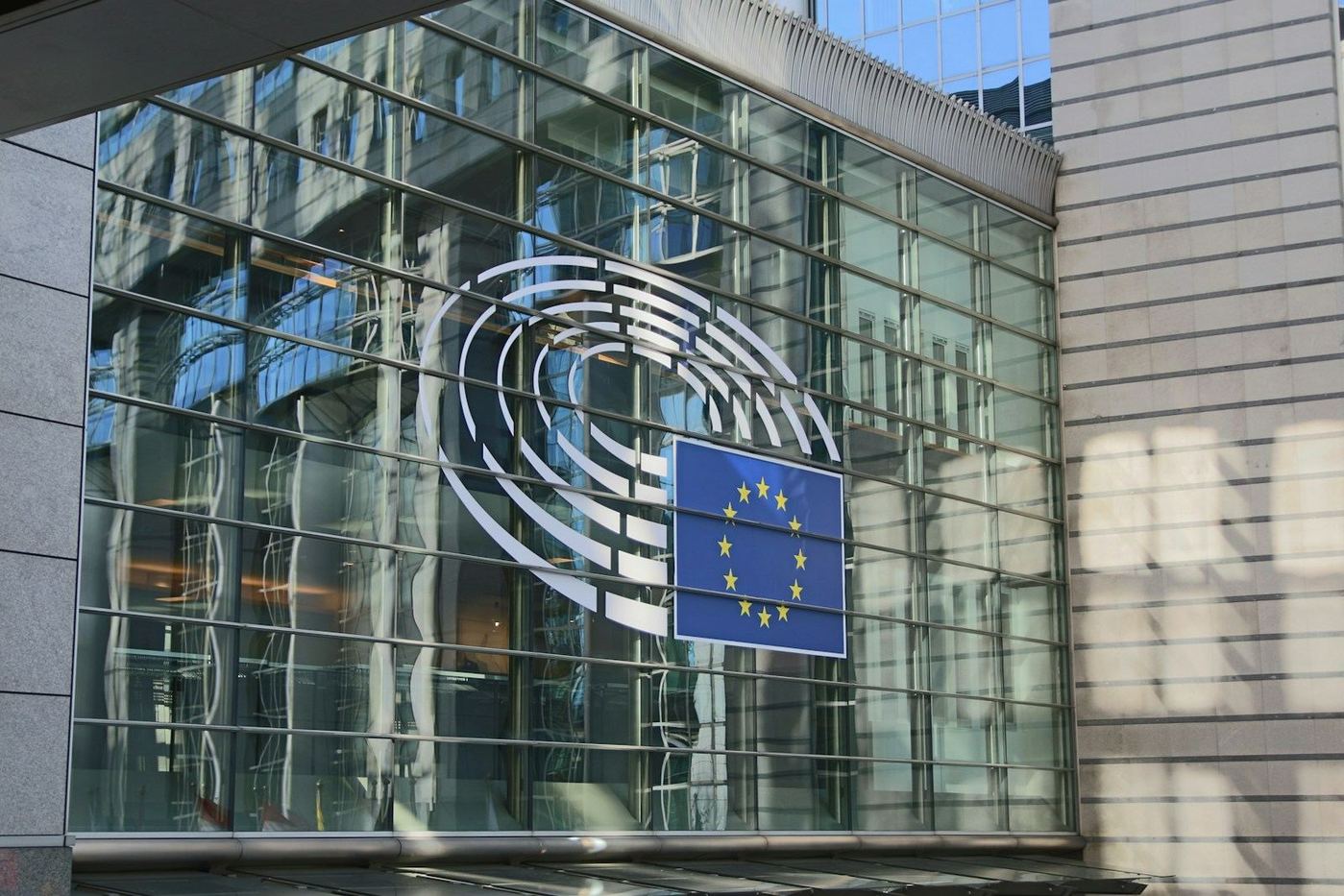
WTO Panel Established for EU Carbon Measures
The Dispute Settlement Body (DSB) of the World Trade Organisation formally agreed on 25 September 2026 to establish a panel to examine the European Union's Carbon Border Adjustment Mechanism (CBAM) and its Emissions Trading System (ETS). This decision follows a second request from the Russian Federation, which had previously submitted an initial request on 24 July 2026.
The panel's mandate is to determine whether these EU environmental trade policies align with the European Union's existing commitments under WTO agreements. The establishment of this panel marks a significant procedural step in addressing international concerns over the trade implications of carbon pricing mechanisms.
Russian Federation's Allegations of Trade Barriers and Subsidies
The Russian Federation has presented two primary allegations against the European Union's measures. Firstly, it contends that the CBAM framework creates substantial trade barriers for specific categories of goods imported into the EU.
This mechanism, designed to apply a carbon price to imports of certain carbon-intensive products, is viewed by the Russian Federation as an impediment to market access. Secondly, the Russian Federation asserts that the EU's allocation of emission allowances to selected companies within its Emissions Trading System constitutes an export subsidy.
According to the Russian Federation, this practice is intended to bolster the competitive standing of particular domestic industries within the EU market, potentially distorting international trade dynamics.
EU's Defence and Broad International Interest
The European Union has expressed confidence that both its Carbon Border Adjustment Mechanism and Emissions Trading System are fully consistent with WTO regulations. The EU stated its intention to participate in the panel proceedings to reaffirm its support for the rules-based multilateral trading system.
The dispute has attracted considerable international attention, with a wide array of nations reserving their third-party rights to participate.
These include Argentina, Brazil, Canada, China, India, Indonesia, Japan, the Kingdom of Saudi Arabia, the Republic of Korea, Malaysia, Norway, Paraguay, Singapore, Switzerland, Chinese Taipei, Thailand, the United Kingdom, and the United States.
This extensive list of interested parties underscores the global significance of the panel's review and its potential implications for future trade and environmental policy.
Implications for Asian Exporters and Carbon Policy
The outcome of the WTO panel's review holds significant implications for Asian economies, particularly those with substantial export ties to the European Union.
Many Asian nations, including China, India, Indonesia, Japan, Malaysia, the Republic of Korea, Singapore, Chinese Taipei, and Thailand, have reserved third-party rights, indicating their direct interest in how the WTO interprets the legality of carbon border adjustments and emissions trading within trade rules.
A ruling against the EU could influence the design of similar environmental policies globally, potentially easing the burden on Asian industries exporting carbon-intensive goods.
Conversely, a favourable ruling for the EU might encourage other major economies to implement comparable carbon pricing at their borders, necessitating adjustments in production and supply chains across Asia to maintain competitiveness in key markets.
Decision-makers in Asia will monitor the panel's findings for clarity on the future trajectory of carbon costs in international trade.
This analysis is journalism, not investment advice; consult a licensed professional before making financial decisions.
Pieces are credited to the desk that commissioned and edited them. Our editorial standards, and the desks behind them, are set out on the Editorial Standards and Team pages.
Further reading
- Briefings · Policy
What economic disruption does IMF foresee from AI for Asia?
The International Monetary Fund's Managing Director Kristalina Georgieva warned of AI's pervasive impact on labour markets and government revenues, while projecting up to a percentage point growth for advanced Asian economies.
Continue reading → - Briefings · Policy
Has Australian security policy curbed China research collaboration?
Despite increased security governance, co-authored educational articles between Australian and Chinese researchers rose 53.7% between 2023 and 2024, reaching a decade high.
Continue reading → - Briefings · Industry
How does Vicor's latest US import ban bid affect Taiwan's AI server firms?
Power component producer Vicor Corporation has made a second attempt this year to prevent imports of AI server power hardware from Foxconn, Quanta, and Delta into the US market.
Continue reading →