
Vietnam's traceability system targets US$100bn farm exports
Vietnam's Ministry of Agriculture and Environment launched a national product traceability system on 1 July 2026, aiming to increase agricultural exports from US$70 billion in 2025 to US$100 billion.
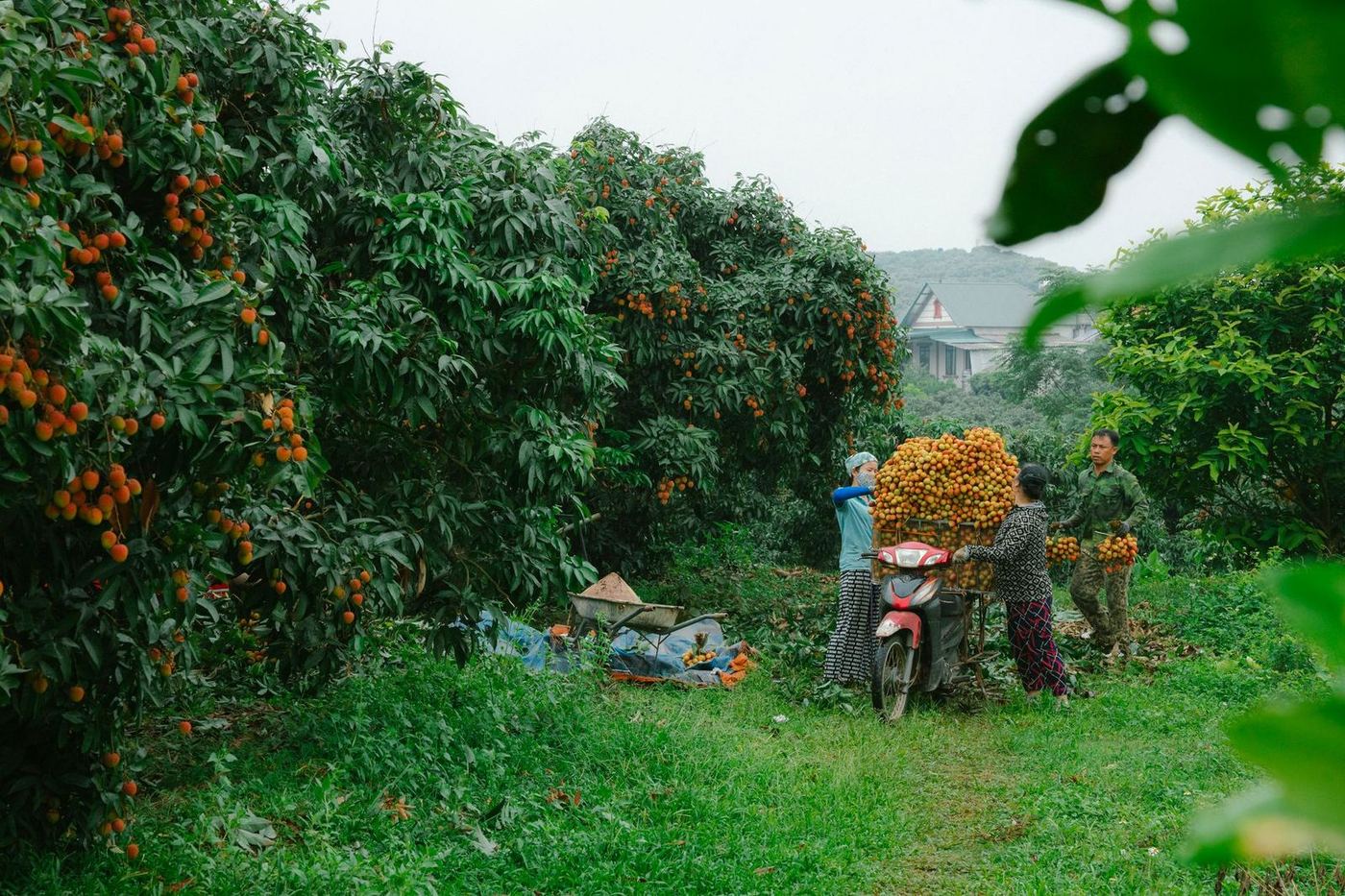
Meeting Evolving Market Demands
Vietnam's agricultural, forestry, and fishery exports reached over US$70 billion in 2025, and the country has set a target of US$100 billion. Achieving this increase requires more than production volume; it necessitates demonstrating product origin, production methods, and compliance with international standards.
Major export markets, such as China, have tightened requirements for growing-area and packing-facility registration, food safety, and traceability for imports like durian.
Similarly, the European Union's Deforestation Regulation, set to apply to large and medium operators by the end of 2026, will mandate that commodities entering its market are verifiably deforestation-free and legally produced. Traceability has thus become a critical component for market access, shifting the focus from quantity to verifiable quality.
National System Deployment and Early Adoption
In response to these market shifts, Vietnam's Ministry of Agriculture and Environment officially launched its national Agricultural Product Traceability System on 1 July 2026. This followed a six-month pilot program focused on durian exports. The system incorporates international GS1 identification standards and uses QR-based digital links to provide product information.
By mid-September 2026, the rollout had achieved significant penetration: over 800,000 products, involving approximately 3,000 farming households and 207 businesses, had been registered across 24 of Vietnam's 34 provinces and cities. The government is actively encouraging ministries and local authorities to integrate with this national platform.
Challenges in Data Integrity and Cross-Border Alignment
Despite rapid implementation, the system faces two primary challenges. The first is ensuring data integrity within Vietnam's complex agricultural supply chains, which involve millions of small farmers, cooperatives, traders, processors, and exporters.
Accurately verifying and digitising information across this fragmented network is difficult, as unreliable data, once digitised, does not become reliable. The second challenge is achieving cross-border compatibility. A national traceability platform is of limited value if its data cannot be used by systems in importing countries.
Therefore, Vietnam must build its system around international standards wherever possible, allowing product information to travel seamlessly across borders. Additionally, complex digital requirements and certification costs could hinder participation from smaller producers, necessitating a design that remains simple and affordable.
Leveraging Traceability for Environmental Credentials
Beyond product origin, the traceability system offers an opportunity to demonstrate the environmental performance of Vietnam's agricultural exports. The country could progressively link traceability data with credible environmental information, including water management practices and greenhouse gas emissions. Rice cultivation presents a suitable pilot area for this initiative.
Vietnam's one-million-hectare high-quality, low-emission rice programme in the Mekong Delta is developing methods to measure, report, and verify emission reductions.
Data detailing where rice was grown, the inputs used, and production methods could support the measurement of agricultural emissions and reductions, potentially enabling carbon finance for lower-emission rice production with credible methodologies and verification.
Implications for Export-Oriented Businesses
For businesses involved in Vietnam's agricultural exports, the national traceability system represents a critical infrastructure development.
Exporters must prioritise integration with this system and ensure their supply chains adhere to international identification standards to maintain and expand market access, particularly in regions like the EU where regulations like the Deforestation Regulation will apply by the end of 2026.
Investors may find opportunities in technologies that support data integrity across fragmented supply chains and facilitate cross-border data exchange.
The long-term success of this initiative will be measured not just by the proliferation of QR codes, but by the extent to which buyers in key markets trust the verifiable information behind them, enabling Vietnam to compete on the demonstrably higher value of its products.
This analysis is journalism, not investment advice; consult a licensed professional before making financial decisions.
Pieces are credited to the desk that commissioned and edited them. Our editorial standards, and the desks behind them, are set out on the Editorial Standards and Team pages.
Further reading
- Briefings · Markets
How do loose financial conditions affect gold's safe-haven role?
New research from BIS Working Papers, published 06 October 2026, indicates that gold prices experience their most significant gains from geopolitical risk when financial conditions are accommodative, a trend observed from 2024 to 2026.
Continue reading → - Briefings · Industry
How prevalent are AI-to-AI investment deals globally?
Between 2021 and 2025, over half of all capital flowing into artificial intelligence firms originated from within the sector, according to analysis from the BIS published on 01 October 2026.
Continue reading → - Briefings · Industry
Does East Asia's AI export growth translate to broad economic benefit?
While East Asian countries recorded US$1.4 trillion in AI-related exports in the year to April, the World Bank suggests these gains may not create widespread employment or capture significant value for regional economies.
Continue reading →