
BIS finds gold's safe-haven gains peak with loose finance
New research from BIS Working Papers, published 06 October 2026, indicates that gold prices experience their most significant gains from geopolitical risk when financial conditions are accommodative, a trend observed from 2024 to 2026.
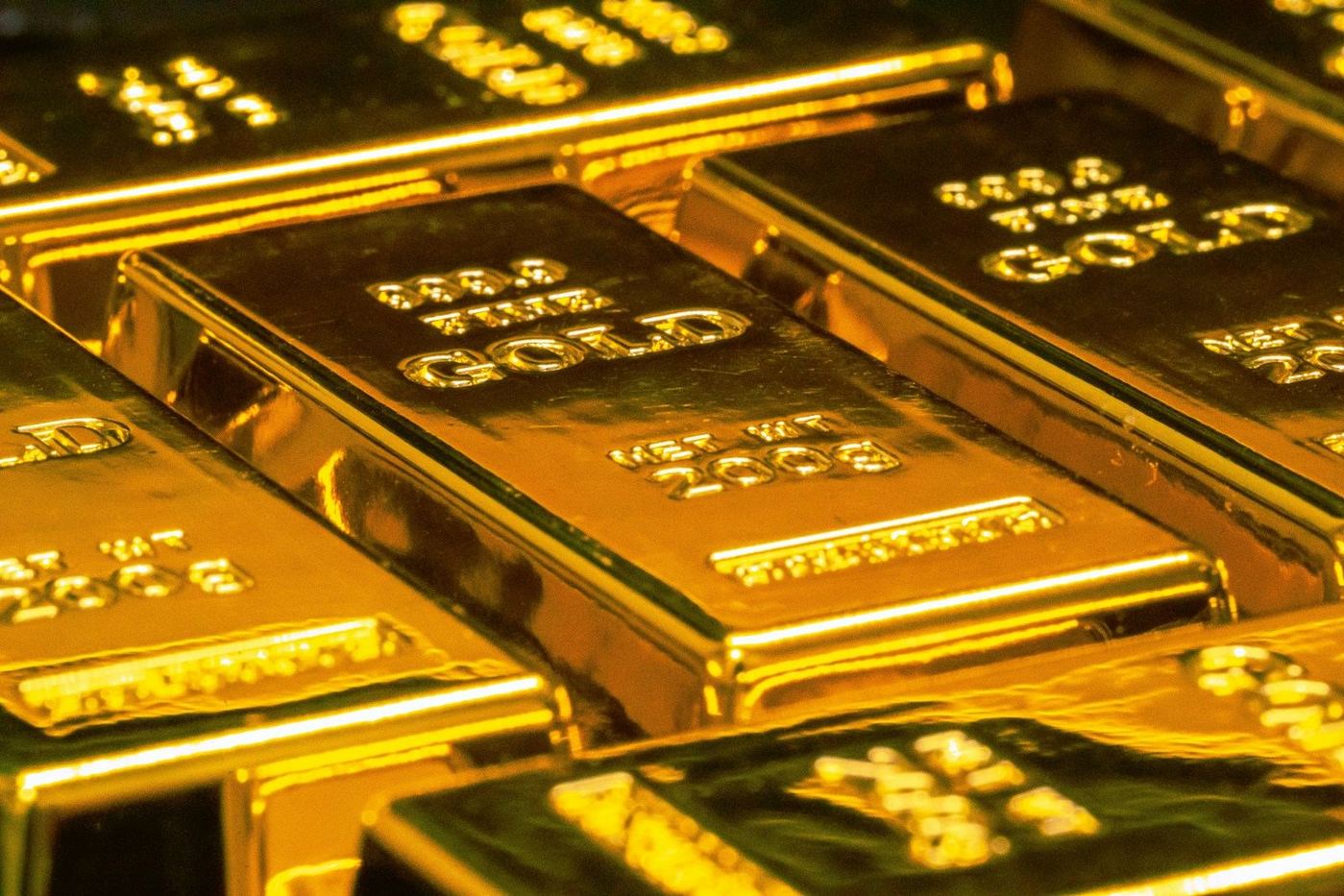
Geopolitical risk and gold's value
A working paper from the Bank for International Settlements (BIS), authored by Rafael Guerra and Gabriel Zelpo and published on 06 October 2026, explores how geopolitical risks influence gold prices, specifically considering the prevailing financial environment. Traditionally, heightened geopolitical risks are often associated with tighter financial conditions.
However, the research points to a recent decoupling of this relationship between 2024 and 2026. This shift prompts an examination of how gold returns respond to geopolitical shocks when macro-financial conditions are not restrictive. The study analyses monthly data spanning from 1990 to 2026 to understand gold's behaviour as a safe-haven asset under these varying circumstances.
Stronger gains in accommodative environments
The BIS Working Paper reveals that increases in geopolitical risks, encompassing both potential threats and actual events, consistently boost gold returns. This effect is particularly pronounced during periods characterised by loose financial conditions.
The analysis indicates that gold's ability to act as a safe haven is amplified when liquidity is ample and credit is readily available. This finding challenges the conventional assumption that gold's appeal as a safe haven would be strongest during periods of financial stress, suggesting instead that the macro-financial landscape plays a crucial part in shaping its performance. The strongest instances of this dynamic were observed between 2024 and 2026.
Credit and liquidity as key channels
The research investigates two primary mechanisms through which geopolitical risks might affect gold prices: the credit and liquidity risk channel, and the opportunity cost channel. The findings provide stronger support for the former, indicating that investors' capacity to rebalance their portfolios is a key determinant.
When financial conditions are loose, investors possess greater flexibility to allocate capital, including moving into gold as a perceived safe asset during times of geopolitical uncertainty. Conversely, the evidence for the opportunity cost channel, which considers the foregone returns from alternative investments, was less conclusive.
This suggests that the ease of capital reallocation is more influential than comparative returns in driving gold's response to geopolitical events.
The 2024–26 observation
The study highlights that the most significant impact on gold prices occurs when periods of loose financial conditions coincide with heightened geopolitical escalations. This specific combination was notably observed during the 2024–26 period.
The paper’s authors, Rafael Guerra and Gabriel Zelpo, note that recent data have shown a decoupling between geopolitical shocks and more restrictive financial conditions, contrary to historical patterns.
This decoupling, coupled with sustained geopolitical tensions, created an environment where gold's safe-haven characteristics were maximised, leading to substantial returns for the asset during this timeframe. These insights underscore the complex interplay between global events and market dynamics.
Implications for Asian investors
If global financial conditions remain accommodative, as observed from 2024 to 2026, and geopolitical tensions persist, the research suggests that gold's role as a store of value could intensify. For Asian institutional investors and central banks, this insight may inform portfolio rebalancing decisions, particularly regarding allocations to safe-haven assets.
For instance, if Asian central banks continue their recent trend of diversifying reserves, the findings suggest that gold could offer stronger returns during future periods where loose global liquidity coincides with geopolitical events, a scenario seen from 2024 to 2026. This could influence asset managers to consider gold's specific behaviour under these conditions.
This analysis is journalism, not investment advice; consult a licensed professional before making financial decisions.
Pieces are credited to the desk that commissioned and edited them. Our editorial standards, and the desks behind them, are set out on the Editorial Standards and Team pages.
Further reading
- Briefings · Policy
What economic disruption does IMF foresee from AI for Asia?
The International Monetary Fund's Managing Director Kristalina Georgieva warned of AI's pervasive impact on labour markets and government revenues, while projecting up to a percentage point growth for advanced Asian economies.
Continue reading → - Briefings · Policy
Has Australian security policy curbed China research collaboration?
Despite increased security governance, co-authored educational articles between Australian and Chinese researchers rose 53.7% between 2023 and 2024, reaching a decade high.
Continue reading → - Briefings · Industry
How does Vicor's latest US import ban bid affect Taiwan's AI server firms?
Power component producer Vicor Corporation has made a second attempt this year to prevent imports of AI server power hardware from Foxconn, Quanta, and Delta into the US market.
Continue reading →