
ADB's $43.27m grant boosts Tajikistan's health resilience
The Asian Development Bank's financing package, approved on 22 September 2026, aims to bolster the nation's ability to manage disease outbreaks and natural hazard-related health risks, particularly in remote regions.
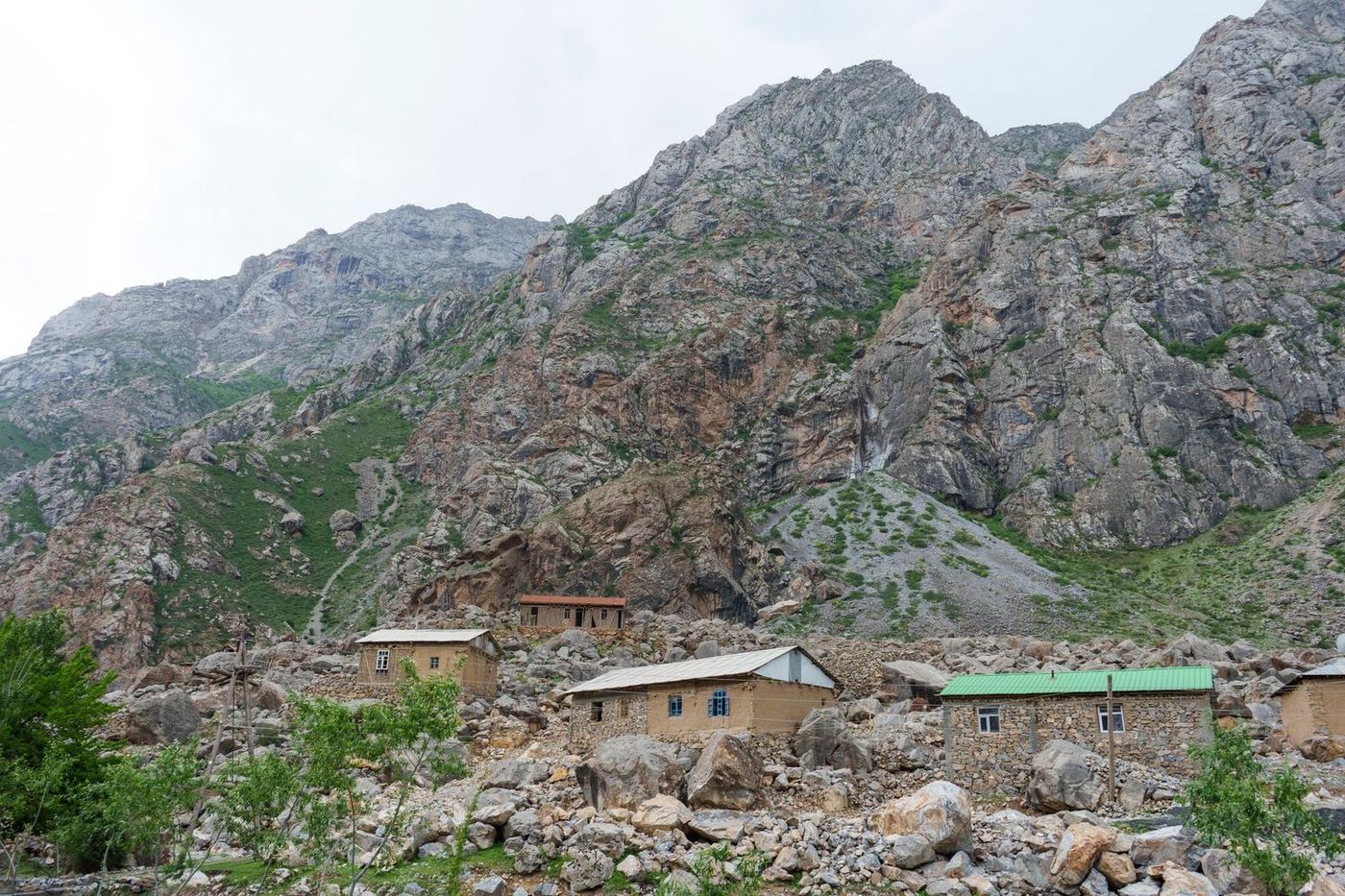
ADB commits $43.27 million for Tajikistan's health system
The Asian Development Bank (ADB) approved a $43.27 million grant financing package for Tajikistan on 22 September 2026. This funding is intended to support the development of a more integrated national health system capable of better preventing, detecting, and responding to disease outbreaks, health risks associated with natural hazards, and cross-border health threats.
The project will also facilitate reforms in primary health care and introduce integrated health and social protection services specifically for survivors of violence against women and girls.
Ko Sakamoto, ADB Country Director for Tajikistan, stated that proactive preparation is the most effective approach to health crises, noting this initiative will fortify Tajikistan's defences against future outbreaks while delivering essential health services to its population.
Strengthening disease surveillance and emergency response
A key component of the ADB-funded project involves enhancing Tajikistan's capacity for disease monitoring and emergency response. This includes improving surveillance at major border crossings and increasing the efficiency of public health laboratories.
The initiative will integrate digital and artificial intelligence tools to refine disease surveillance processes and accelerate emergency responses. Furthermore, the project promotes collaboration between human and animal health sectors through the global One Health approach.
Health workers will receive training to address public health threats, natural hazard-related health risks, and the specific challenges of violence against women and girls, ensuring a comprehensive approach to public welfare.
Targeted support for vulnerable populations and rural areas
The project's focus extends to rural, remote, and border areas within Tajikistan, aiming to improve access to health services for underserved populations. This targeted approach is designed to enable earlier detection of diseases such as tuberculosis and HIV.
Primary health care services will be strengthened to enhance their resilience to weather shocks and their responsiveness to the particular needs of women and girls. Public awareness campaigns will also be conducted to educate communities on infectious and zoonotic diseases, alongside improved risk communication strategies to support women and other vulnerable groups.
Additionally, the initiative will expand assistance for survivors of violence against women and girls through the establishment of five specialised integrated service centres across the country.
Diverse funding sources for the initiative
The $43.27 million grant package is financed through multiple sources, reflecting a collaborative effort in development assistance. The largest portion, $28 million, comes from ADB's Asian Development Fund, which supports countries with significant development needs.
An additional $10.27 million is provided as grant cofinancing from the Pandemic Prevention, Preparedness and Response Trust Fund. The Government of Japan, channelled through ADB, contributes $3 million via the Japan Fund for Prosperous and Resilient Asia and the Pacific.
Finally, $2 million is sourced from the Green Climate Fund, marking this as the first ADB-approved project under its Glaciers to Farms Program, underscoring its climate resilience focus.
Implications for Central Asian health security
This ADB grant for Tajikistan's health system holds significant implications for public health capacity across Central Asia. By strengthening disease surveillance at border crossings and enhancing laboratory capabilities, the project directly addresses cross-border health threats, a critical concern for regional stability.
The integration of digital tools and the One Health approach could establish a replicable model for neighbouring countries facing similar challenges with zoonotic and infectious diseases. Decision-makers should note the multi-donor financing structure, which demonstrates a coordinated international effort to build resilience.
The success of these reforms, particularly in early disease detection and emergency response in remote areas, could inform future regional policy on health infrastructure investment and disaster preparedness, with initial progress expected in the next 12 to 18 months as training and infrastructure upgrades commence.
This analysis is journalism, not investment advice; consult a licensed professional before making financial decisions.
Pieces are credited to the desk that commissioned and edited them. Our editorial standards, and the desks behind them, are set out on the Editorial Standards and Team pages.
Further reading
- Briefings · Markets
How do loose financial conditions affect gold's safe-haven role?
New research from BIS Working Papers, published 06 October 2026, indicates that gold prices experience their most significant gains from geopolitical risk when financial conditions are accommodative, a trend observed from 2024 to 2026.
Continue reading → - Briefings · Industry
How prevalent are AI-to-AI investment deals globally?
Between 2021 and 2025, over half of all capital flowing into artificial intelligence firms originated from within the sector, according to analysis from the BIS published on 01 October 2026.
Continue reading → - Briefings · Industry
Does East Asia's AI export growth translate to broad economic benefit?
While East Asian countries recorded US$1.4 trillion in AI-related exports in the year to April, the World Bank suggests these gains may not create widespread employment or capture significant value for regional economies.
Continue reading →