
South Korea trials Arctic route viability with maiden voyage
The Panstar Acro, a South Korean container ship, reached the UK on 10 September 2026, marking the midpoint of its maiden Arctic voyage to Europe. This trial aims to evaluate the route's potential to cut transit times and costs.
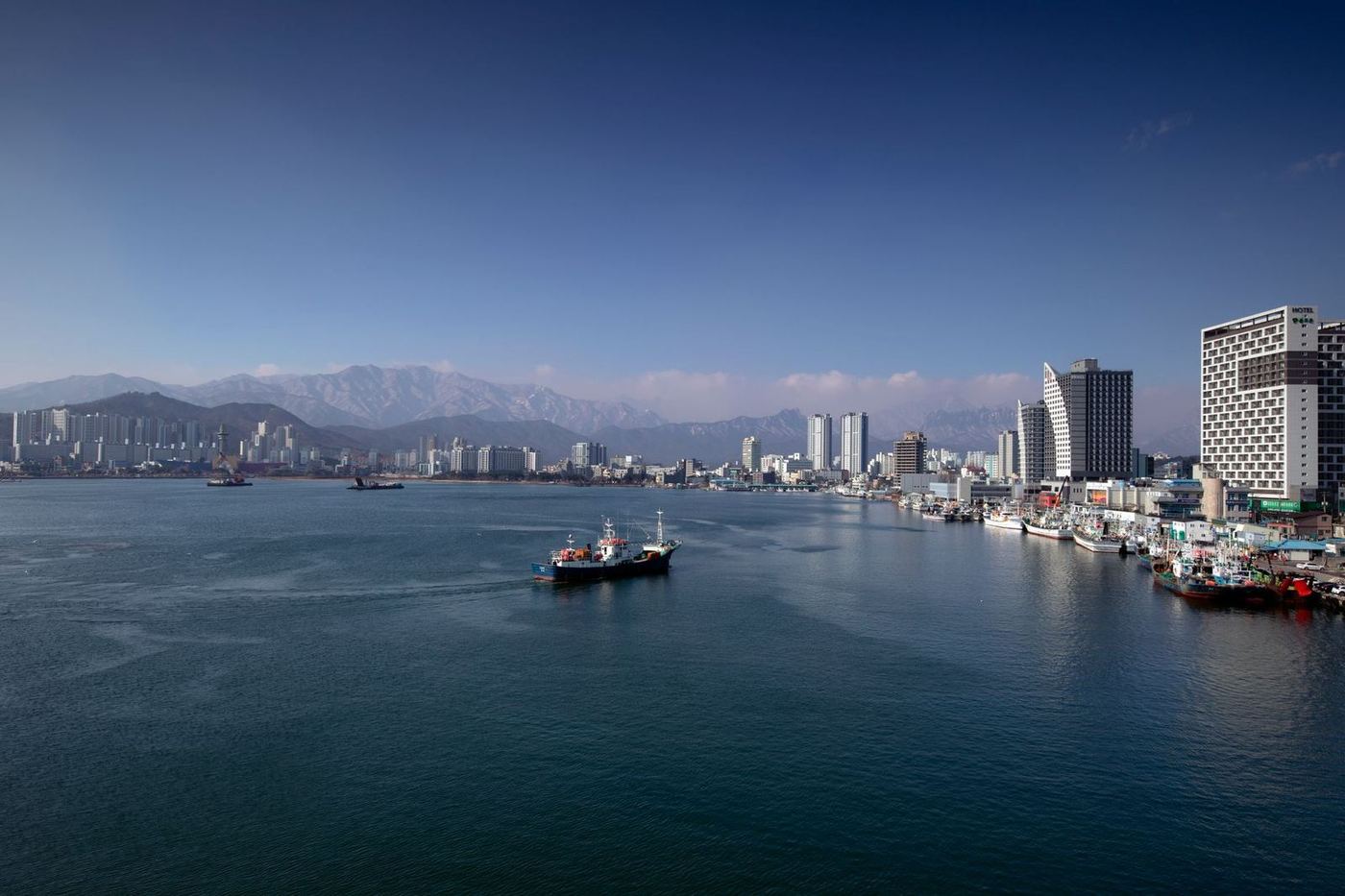
Arctic Voyage Reaches Halfway Point
South Korea's Ministry of Oceans and Fisheries reported that the Panstar Acro, a 2,758-TEU midsize container vessel, arrived at the port of Felixstowe in the United Kingdom on 10 September 2026. This arrival signifies the halfway mark of the first South Korean container ship's journey through the Arctic shipping route to Europe.
The vessel commenced its voyage from Busan on 22 August 2026, completing the initial segment in 21 days. Its cargo includes chemical products, used cars, and auto parts destined for Europe.
Following its stop in the UK, the Panstar Acro is scheduled to proceed to Rotterdam in the Netherlands on 11 September 2026 and Gdansk in Poland on 14 September 2026, before embarking on its return journey to Busan, with an anticipated arrival around 12 October 2026.
Potential for Reduced Transit and Risk Mitigation
This trial voyage forms part of a broader South Korean government initiative to explore and establish a shorter maritime connection to Europe. The Arctic route is projected to reduce the overall journey distance by approximately 32 per cent when compared to the existing 22,000-kilometre route from Korea to Rotterdam, which traditionally traverses the Indian Ocean.
A key objective of this alternative path is to decrease reliance on current shipping lanes that encounter complexities at major maritime chokepoints and face persistent threats of piracy. By offering a more direct link, the Arctic route could potentially streamline supply chains and reduce transit times for cargo moving between East Asia and Europe.
Navigational Challenges and Data Collection
Despite its potential benefits, the northern shipping route has historically presented significant challenges to commercialisation. Thick sea ice has posed considerable risks to vessels, while the harsh Arctic climate can increase operational costs, particularly for maintaining cargo at safe temperatures throughout the journey.
In response to these challenges, the South Korean government is actively collecting comprehensive data from the Panstar Acro's current voyage.
This data will be crucial for assessing the route's potential for more regular navigability in the coming years, especially as reducing Arctic sea ice, attributed to rising global temperatures, may alter the route's feasibility and safety profile for commercial shipping operations.
Implications for Asian Shipping and Trade
Should the ongoing data collection confirm the commercial viability of the Arctic route, the South Korean government is preparing for the potential establishment of a regular shipping corridor between Korea and Europe, with Busan being considered as a central hub port for such operations.
A successful and regular Arctic route could significantly reshape East Asian shipping logistics, offering a direct and substantially shorter alternative for cargo bound for European markets. This development could impact freight rates, supply chain planning, and port traffic across the region from the late 2020s onwards.
Decision-makers in Asian shipping and logistics sectors should closely monitor the Ministry of Oceans and Fisheries' findings, which are expected to be released following the Panstar Acro's return to Busan in mid-October 2026.
This analysis is journalism, not investment advice; consult a licensed professional before making financial decisions.
Pieces are credited to the desk that commissioned and edited them. Our editorial standards, and the desks behind them, are set out on the Editorial Standards and Team pages.
Further reading
- Briefings · Industry
How will Japan's fiscal 2031 quantum sensor drone plan reshape undersea surveillance?
Japan's defence budget request, released in late August, outlines a plan to deploy drone-mounted quantum magnetic sensors by fiscal 2031. This initiative seeks to improve maritime detection efficiency and reduce operational costs.
Continue reading → - Briefings · Markets
How do US$100 oil and 5% US yields divide ASEAN currencies?
Analysts observe a significant split in regional currency performance, with some benefiting from trade surpluses and capital inflows while others face import cost pressures.
Continue reading → - Briefings · Markets
How will RBI's September 16 reverse repo affect India's liquidity?
The Reserve Bank of India will conduct an overnight variable rate reverse repo operation on September 16, 2026, aiming to absorb surplus funds from the banking system.
Continue reading →