
SK Hynix earnings, returns drive Seoul KOSPI 6.6% surge
Seoul's KOSPI index advanced over 6% on 28 October 2026, reaching 6,012.44, following SK hynix's record quarterly earnings and a 100 trillion won shareholder return announcement.
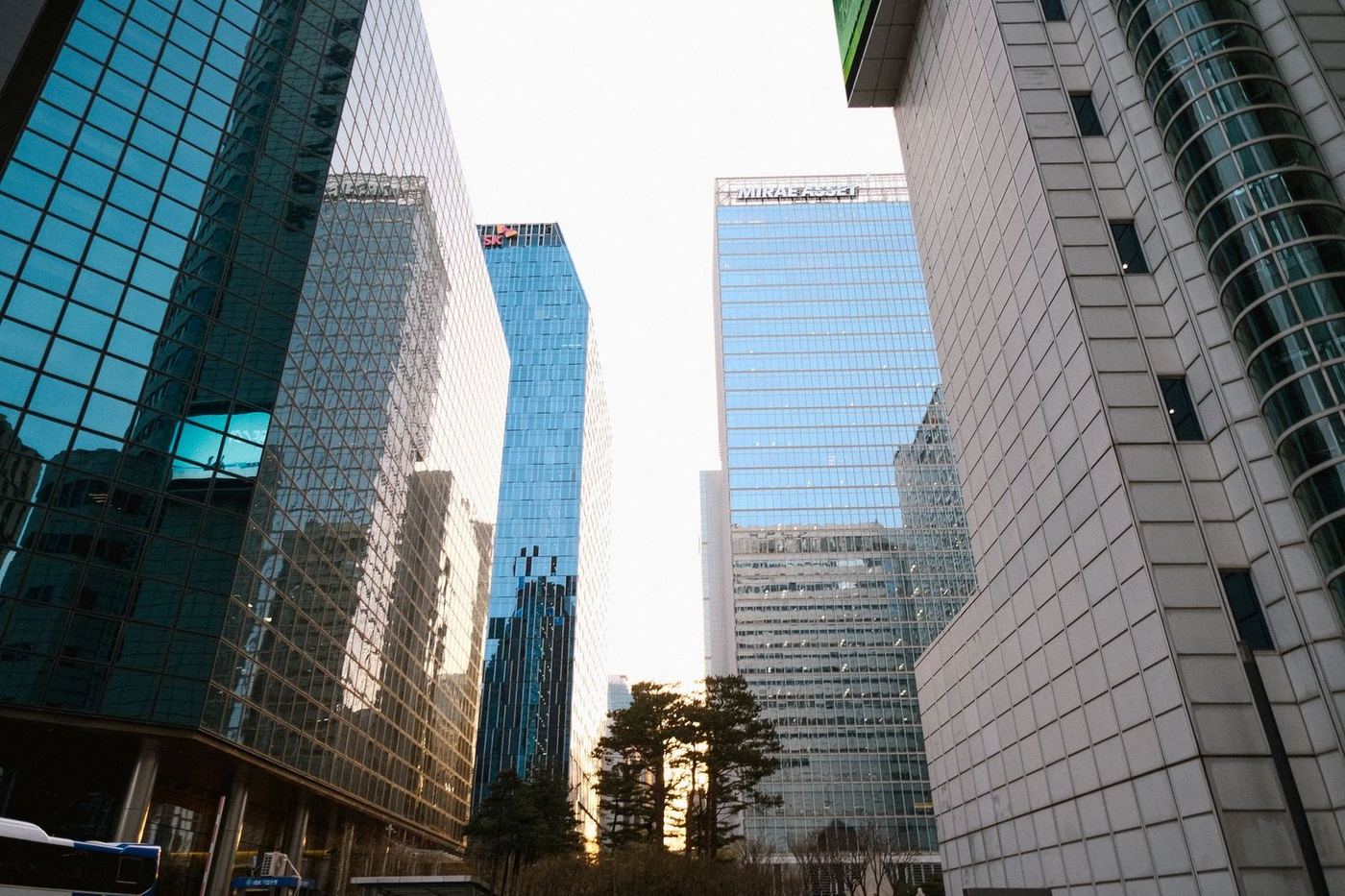
KOSPI Gains on Chip Sector Strength
Seoul's benchmark KOSPI index recorded a substantial increase of 6.63% on 28 October 2026, concluding the trading day at 6,012.44 points. This upward movement, which saw the index briefly touch 6,032.28 during the session, was primarily driven by a significant rally in the semiconductor sector.
The surge followed an announcement from SK hynix, the world's second-largest memory chip manufacturer, detailing its record third-quarter earnings and a substantial shareholder return initiative. This performance signals investor confidence in the chip industry, particularly amidst increasing global demand for artificial intelligence (AI) related memory components.
The overall market activity saw advancers outnumbering decliners by 580 to 288, reflecting broad positive sentiment across the exchange. Total trade volume for the day was light at 223.2 million shares, valued at 19.83 trillion won.
SK hynix Performance and Investor Reassurance
SK hynix reported its highest-ever revenue and operating profit for the third quarter of 2026, a result attributed to strong demand for memory chips, particularly those used in AI applications.
Alongside these strong financial outcomes, the company unveiled a shareholder return programme valued at more than 100 trillion won, equivalent to approximately $75.3 billion, for the year 2026.
This dual announcement appears to have reassured investors regarding the long-term viability of the AI-driven market expansion and mitigated concerns about a potential saturation point in the memory chip cycle.
Lee Jae-won, an analyst at Yuanta Securities, commented that SK hynix's results demonstrated how strong AI chip demand could translate into solid operating profits and shareholder value, directly addressing sustainability questions within the sector.
Market Measures and Investment Flows
The rapid ascent of tech stocks prompted the Korea Exchange to activate a buy-side sidecar shortly before 11 a.m. on 28 October 2026. This measure temporarily suspended program trading buy orders for KOSPI-listed stocks for a five-minute period, triggered when KOSPI 200 futures rise at least 5% and maintain that level for over a minute.
This marked the second consecutive session the sidecar was activated, indicating sustained upward pressure in the market. Foreign investors acquired a net 815.83 billion won in shares, while institutions bought a net 960.79 billion won. Conversely, individual investors were net sellers, divesting 1.8 trillion won from the market.
Major chip-related companies also saw significant gains, with Samsung Electronics climbing 9.01% to 242,000 won and SK hynix itself increasing by 10.89% to 1.49 million won. SK Square, SK hynix's parent company, advanced 11.23% to 921,000 won, and Samsung Electro-Mechanics surged 8.74% to 1.3 million won.
Currency and Fixed Income Reactions
While equity markets rallied, the Korean won experienced a depreciation against the US dollar. By 3:30 p.m. on 28 October 2026, the won was trading at 1,337.7 per US dollar, representing a decline of 10.7 won from its previous closing value. This movement reflects broader currency market dynamics and potentially investor sentiment shifts.
In the fixed income market, bond prices generally closed lower, indicating an increase in yields. The yield on three-year Treasury bonds rose by 4.1 basis points to 3.799, and the return on the benchmark five-year government bonds added 5 basis points, reaching 3.949.
Investors were also closely monitoring the Federal Reserve's interest rate decision, anticipated early on 29 October 2026 (Korean time), for indications regarding future US monetary policy and its potential impact on global capital flows.
Implications for Semiconductor Investment
The strong performance of the KOSPI, driven by SK hynix's record Q3 2026 results and substantial shareholder returns, suggests continued investor confidence in the semiconductor sector's ability to capitalise on AI-driven demand.
Decision-makers in industries reliant on memory chips or investing in related equities should monitor the Federal Reserve's interest rate decision due on 29 October 2026, as it could influence global capital flows, interest rate differentials, and the Korean won's trajectory.
The activation of the Korea Exchange's sidecar for a second consecutive session highlights the intensity of current market momentum in Seoul, indicating a strong, albeit potentially volatile, appetite for tech stocks.
Future earnings reports from major memory chip producers in Q4 2026 will be critical in confirming the sustained demand for AI-specific semiconductors and the broader cycle's health.
This analysis is journalism, not investment advice; consult a licensed professional before making financial decisions.
Pieces are credited to the desk that commissioned and edited them. Our editorial standards, and the desks behind them, are set out on the Editorial Standards and Team pages.
Further reading
- Briefings · Policy
What will the ADB's $139.55 million loan deliver for Puducherry's urban infrastructure?
The Asian Development Bank approved a $139.55 million loan on 30 October 2026 to enhance Puducherry's water, sanitation, and public spaces, aiming to boost the Indian city's competitiveness for investment and tourism.
Continue reading → - Briefings · Policy
How will ADB's $104.5 billion financing reshape its Asia-Pacific operations?
The Asian Development Bank's first Strategic Business Outlook details $104.5 billion for 2027–2029, alongside reforms to enhance project preparation and delivery across the region.
Continue reading → - Briefings · Policy
Do contingent tariffs in trade agreements reduce deforestation?
New research suggests that linking market access to forest conservation could prevent agricultural expansion and even lead to reforestation, with implications for Asian nations negotiating with the European Union.
Continue reading →