
How do Singapore's new EC rules affect home affordability?
Singapore's government tightened rules for Executive Condominium (EC) land sales from May 2026, aiming to manage escalating housing costs. This follows an ongoing debate about capping EC prices below S$1.6 million.
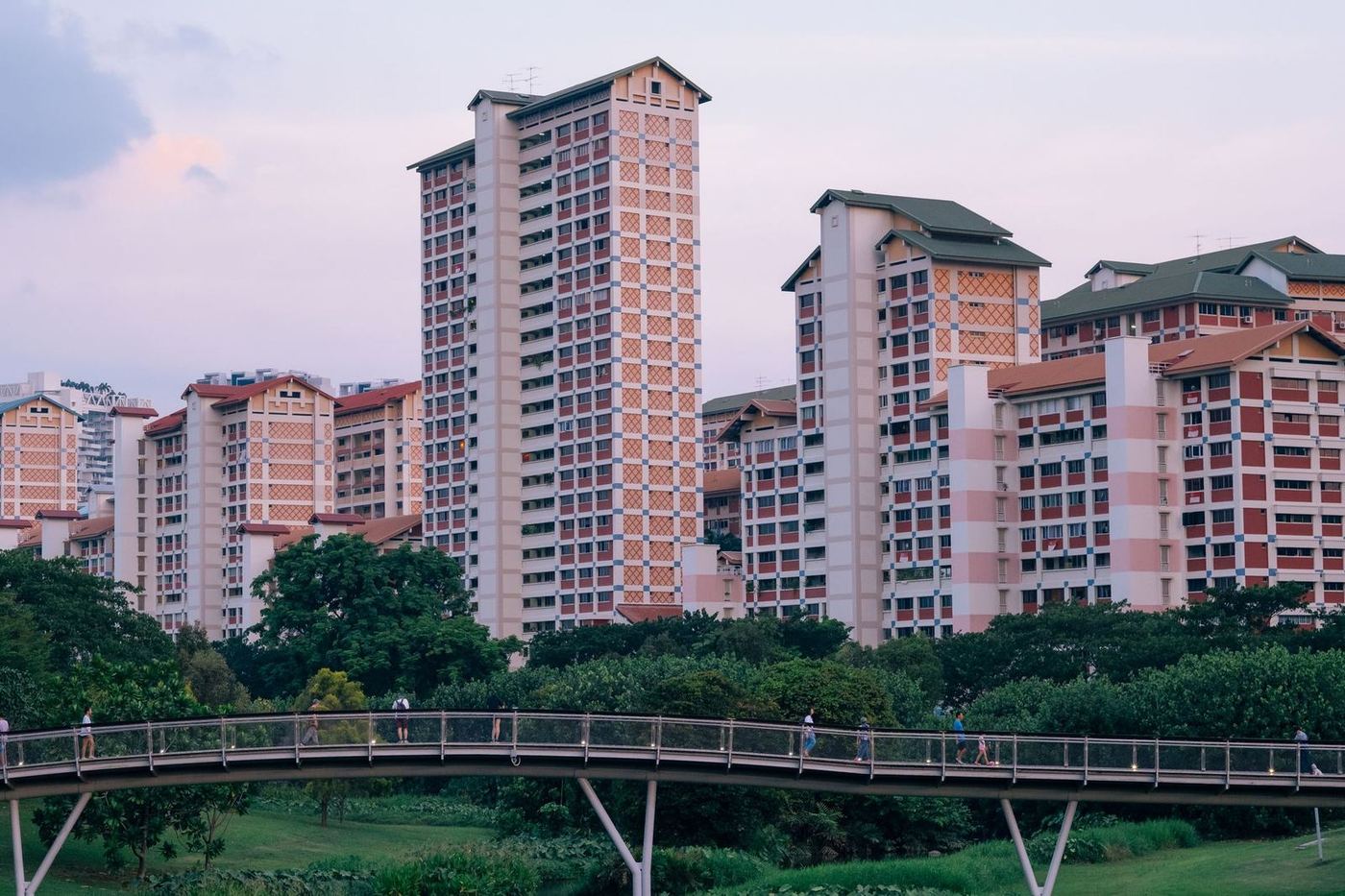
Policy Changes for Executive Condominiums
Singapore's government introduced tighter regulations for new Executive Condominium (EC) sites, effective for government land sale sites with tender closing dates on or after 8 May 2026. This policy adjustment was made in response to escalating prices for new EC units, which had raised concerns about housing accessibility.
Executive Condominiums, first established in 1995, were designed to offer a more affordable pathway to private homeownership for Singaporean citizens.
These properties are developed and sold by private entities, incorporating design elements and facilities comparable to conventional condominiums, yet they come with specific eligibility criteria and resale restrictions to ensure their initial affordability. The recent measures aim to reinforce the original objective of ECs in the housing market.
Sustaining Affordability Amidst Rising Costs
The primary intent behind the new rules is to sustain the affordability of EC units, particularly for first-time homebuyers. Over recent years, the cost of new EC units has increased, prompting the government to intervene to manage market dynamics.
Executive Condominiums serve a crucial segment of the housing market, bridging the gap between public housing and fully private condominiums, and are often seen as a stepping stone for families upgrading from HDB flats.
By implementing stricter controls on land sales, the government seeks to influence developers' pricing strategies and ensure that ECs remain within reach for eligible buyers. This approach reflects a continuous effort to balance a vibrant property market with the broader social objective of accessible housing for its citizens.
The S$1.6 Million Price Cap Debate
The introduction of tighter EC regulations occurs concurrently with a public discussion regarding potential price caps for these properties. One prominent suggestion circulating proposes limiting the sale prices of EC units to largely below S$1.6 million each.
This debate highlights the tension between market-driven property values and the government's commitment to providing affordable housing solutions. Proponents of a price cap argue it would directly address the issue of escalating costs, making ECs more attainable for the target demographic.
Opponents might raise concerns about potential distortions to market supply or the impact on developers' margins and incentives for quality construction.
Market Implications for Developers and Buyers
For property developers, the tighter rules on EC land sales are likely to influence their bidding strategies for government land parcels. Stricter conditions could lead to more conservative bids, potentially moderating land acquisition costs.
This, in turn, may translate into more controlled selling prices for new EC projects, aligning with the government's affordability objectives. For prospective first-time homebuyers, these measures could offer a more stable pricing environment, potentially increasing the pool of eligible buyers who can meet the financial requirements for an EC unit.
The long-term effect will be observed in how developers adapt their project pipelines and how demand responds to the adjusted market conditions.
Outlook for Singapore's Housing Policy
Singapore's continued emphasis on housing affordability indicates that further policy adjustments remain a possibility as market conditions evolve. Market participants, including developers and financial institutions, will closely monitor the effects of the May 2026 rules on future government land sale tenders and subsequent project launches.
Key indicators to watch include average EC unit transaction prices and sales volumes, particularly in the fourth quarter of 2026 and the first quarter of 2027. These data points will offer insights into the efficacy of the current measures in moderating price growth and maintaining the accessibility of Executive Condominiums for their intended demographic.
This analysis is journalism, not investment advice; consult a licensed professional before making financial decisions.
Pieces are credited to the desk that commissioned and edited them. Our editorial standards, and the desks behind them, are set out on the Editorial Standards and Team pages.
Further reading
- Briefings · Industry
Can CATL maintain EV battery lead amid carmaker diversification?
Despite holding over 41% of China’s EV battery market in August, Contemporary Amperex Technology Limited (CATL) saw its shares fall 25.7% since mid-August as manufacturers like Xiaomi and Li Auto seek alternative suppliers.
Continue reading → - Briefings · Markets
What drives Vietnam's real estate transparency gains in 2026?
Vietnam ranked among the top 10 globally for improvements in real estate transparency during the 2024–26 period, according to property consultancy JLL. This progress helped drive record cross-border investment volumes in some markets, including Vietnam.
Continue reading → - Briefings · Markets
Chipmakers lift KOSPI 0.93% despite oil price caution
The Korea Composite Stock Price Index gained 0.93% to 6,958.32 on 21 September 2026, as chipmakers advanced despite investor caution over elevated oil prices.
Continue reading →