
What drives Vietnam's real estate transparency gains in 2026?
Vietnam ranked among the top 10 globally for improvements in real estate transparency during the 2024–26 period, according to property consultancy JLL. This progress helped drive record cross-border investment volumes in some markets, including Vietnam.
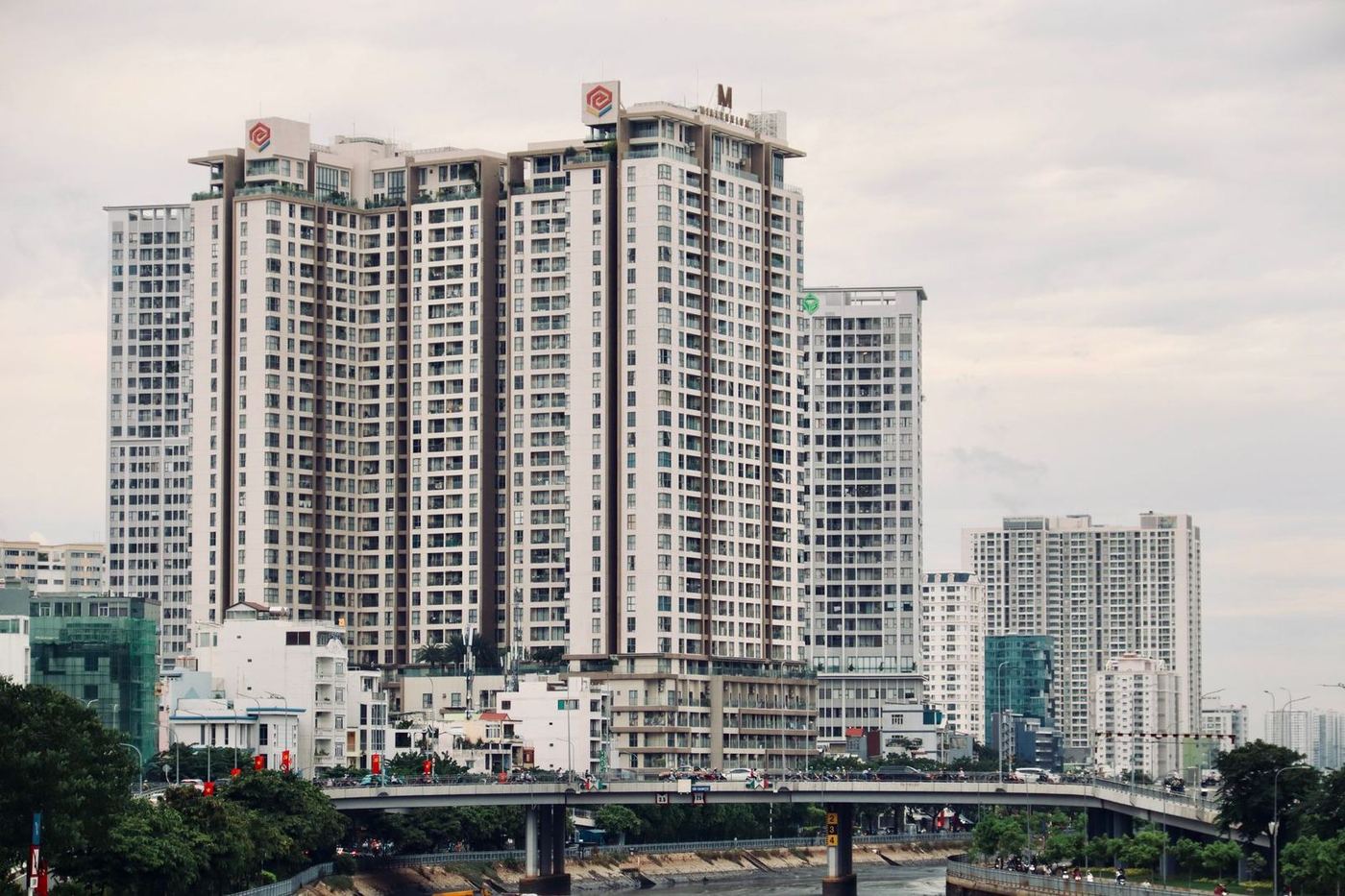
Vietnam improves transparency ranking
Vietnam has emerged as one of the world's 10 most improved real estate markets in terms of transparency over the 2024–26 period, as reported by property consultancy JLL in its 2026 Global Real Estate Transparency Index.
The country achieved an overall ranking of 50th out of 88 surveyed countries and territories, with a transparency score of 3.15, placing it within the 'Semi-Transparent' category.
This marks a significant shift from its pre-2020 classification as a 'Low Transparency' market, which was characterised by limited market data and complex legal frameworks that historically presented difficulties for foreign property investors.
The Asia-Pacific region recorded the strongest gains in transparency, with five of the top 10 most improved markets located there: India, Vietnam, South Korea, Australia, and Thailand.
Legislative reforms strengthen market framework
The improvements in Vietnam's real estate transparency are attributed to a sustained process of legislative and administrative reforms, according to JLL. A key turning point occurred in 2016 when Vietnam joined the Trans-Pacific Partnership, which was followed by proposals to develop a national real estate database.
In 2024, the government implemented substantial revisions to its laws on land, housing, and real estate business, which came into effect and strengthened the legal framework for the sector. Additionally, the revised Law on Price introduced requirements for certified valuation professionals and verifiable audit trails for valuations.
Regulations also mandated that real estate transactions be conducted through the banking system, enhancing traceability. This year, a new decree governing the construction, management, and operation of housing and real estate market information systems also took effect, with the aim of completing the national land database by the close of 2026.
Rising investment and valuation accuracy
The enhanced transparency has contributed to a recovery in cross-border investment across the Asia-Pacific region over the past 12 months, with direct investment transaction volumes reaching record levels in some markets, including Vietnam.
Le Thi Huyen Trang, JLL Vietnam's general director, stated that these reforms have yielded positive results, reflected in increased registered foreign investment.
Vietnam recorded US$38.1 billion in registered foreign investment during the first seven months of 2026, which nearly matched the total registered foreign direct investment for the entire previous year and marked the highest level in a decade. JLL's report also highlights a correlation between market transparency and the accuracy of property valuations.
In 'Semi-Transparent' markets such as Vietnam, fragmented data means valuation accuracy is estimated at approximately 70%, with processes taking up to 20 days. In contrast, 'Highly Transparent' markets, where transaction data is publicly available and comprehensive, typically achieve around 90% accuracy within five to 10 days.
Next steps for Vietnam's market development
Further progress towards greater transparency in Vietnam's real estate sector will depend on several key initiatives, according to JLL's analysis. These include the full digitisation of land records, the establishment of a unified nationwide property registration system, and the consistent application of international valuation standards.
The publication of comprehensive data on commercial real estate credit markets is also identified as crucial. Moreover, expanding green building certification and developing more comprehensive planning and reliable databases are necessary steps.
For decision-makers, these ongoing efforts suggest a continued drive to align Vietnam's real estate market with international best practices. Investors will be observing the completion of the national land database by the end of 2026 and the implementation of a unified property registration system for further evidence of market maturity and reduced investment risk.
This analysis is journalism, not investment advice; consult a licensed professional before making financial decisions.
Pieces are credited to the desk that commissioned and edited them. Our editorial standards, and the desks behind them, are set out on the Editorial Standards and Team pages.
Further reading
- Briefings · Markets
How did Seoul equities perform on Monday, driven by tech strength?
The Korea Composite Stock Price Index gained 0.93% to 6,958.32 on 21 September 2026, as chipmakers advanced despite investor caution over elevated oil prices.
Continue reading → - Briefings · Industry
How are supply chain bottlenecks and AI investments reshaping Asia's semiconductor industry?
Global technology firms are intensifying competition for talent and custom silicon, while equipment lead times extend to 40 months, impacting capacity expansion across Asian manufacturing hubs.
Continue reading → - Briefings · Markets
Eurozone Consumers Raise Near-Term Inflation Outlook in August
The European Central Bank's August 2026 survey shows consumer expectations for inflation over the next 12 months increased to 3.0%, while forecasts for economic growth remained negative at −1.2%.
Continue reading →