
Nepal, Tibet Infrastructure Devastated: August 2026 Floods Destroy 19 Bridges, 40km Roads
Central Nepal and China's Tibet Autonomous Region experienced extensive infrastructure damage from August 2026 flash floods and landslides, with 19 bridges and 40 kilometres of roads destroyed, posing immediate challenges for regional economic activity.
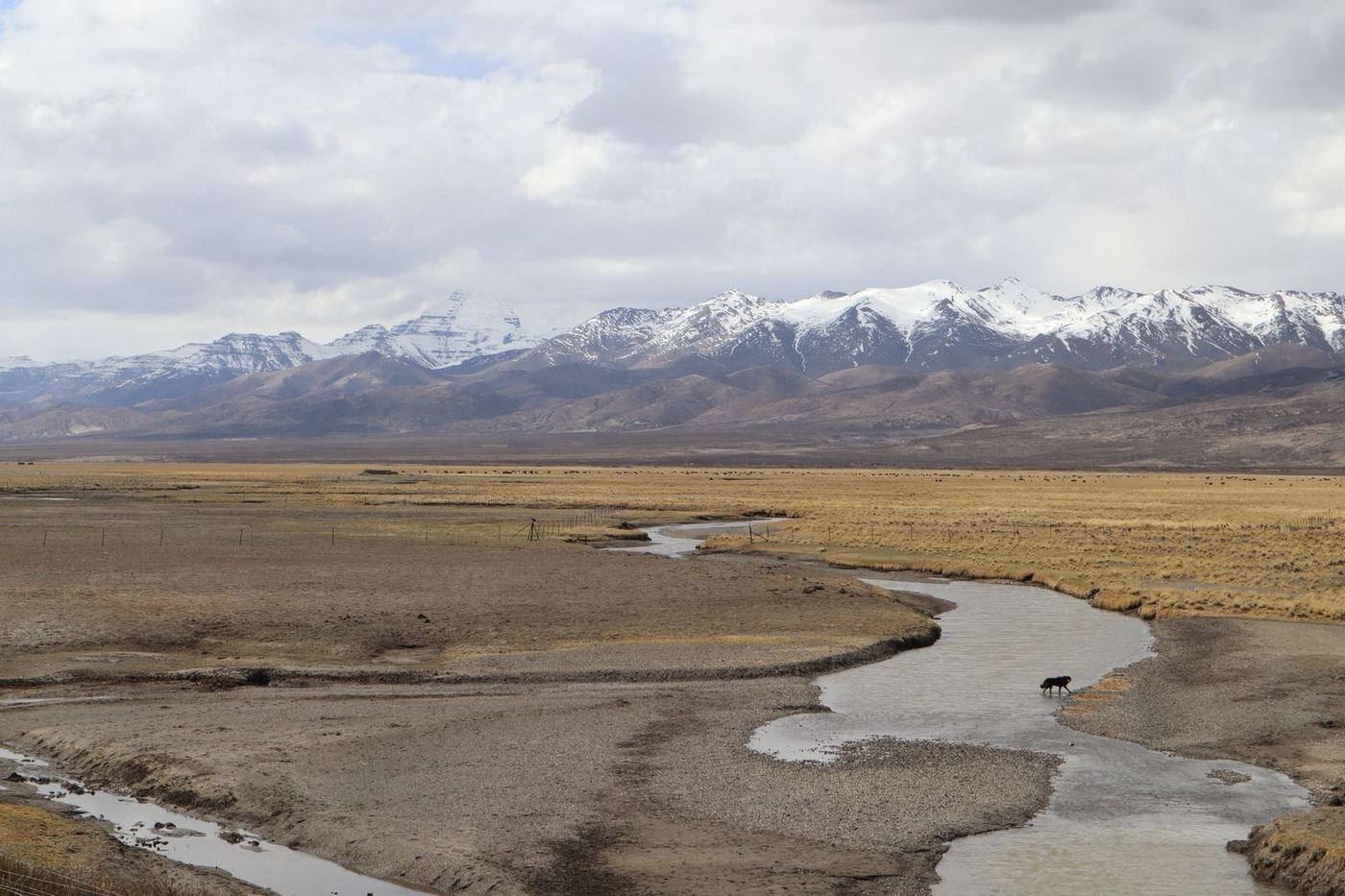
Extensive Infrastructure Damage Across Himalayan Valley
Flash floods and landslides in central Nepal and China's Tibet Autonomous Region, commencing on 26 August 2026, have resulted in significant destruction of critical infrastructure. Nepalese authorities reported, as of 27 August 2026, that 19 bridges and approximately 40 kilometres of roads were washed away.
The Bhotekoshi River, which traverses Nepal's Rasuwa district, overflowed, triggering landslides that also swept away villages and a hydropower plant. The human toll, as confirmed by Nepalese authorities on 27 August 2026, included at least 359 fatalities and 910 missing persons. On the Chinese side, authorities reported three deaths and 558 missing persons as of the same date. The full extent of the damage remains unconfirmed due to severe disruption to communication networks.
Disruption to Transportation and Energy Networks
The destruction of 19 bridges and 40 kilometres of roads in central Nepal represents a substantial impediment to regional connectivity. These transportation arteries are vital for the movement of goods, services, and people within Nepal and for cross-border transit towards China's Tibet Autonomous Region.
The damage to a hydropower plant further compromises local energy supply, which can affect industrial operations and recovery efforts. The affected areas, including Trishuli in Nuwakot district and the broader Rasuwa district, are now facing considerable logistical challenges.
This infrastructure deficit will complicate the delivery of aid and the commencement of reconstruction activities, potentially isolating communities and impeding economic interactions for an extended period.
Regional Human Toll and Communication Challenges
The combined reported human toll from the disaster, as of 27 August 2026, reached 362 fatalities and 1,468 missing persons across Nepal and China. The affected population includes local residents and foreign nationals, with Nepalese authorities confirming individuals from India, the U.S., and Australia among those caught in the disaster.
Many of these foreign nationals were pilgrims traveling to Tibet, highlighting the regional impact on tourism and religious travel. The extensive damage to communication networks across the affected areas means that the precise scale of human and infrastructure destruction is not yet fully ascertained.
This lack of clear information complicates coordination for search, rescue, and relief operations, extending the period of uncertainty for affected communities.
Immediate Economic Implications for Businesses
The severe infrastructure damage in central Nepal and the adjacent Tibet Autonomous Region presents immediate economic challenges for companies operating in the corridor. The loss of 19 bridges and 40 kilometres of roads will directly increase logistical costs and transit times for freight and passenger transport.
Businesses reliant on these routes for supply chains, distribution, or tourism will experience operational disruptions. The damage to a hydropower plant also poses risks to energy-dependent industries.
While the full economic impact is still being assessed due to communication outages, the disruption to key transportation and energy infrastructure implies higher costs for recovery and reconstruction, alongside potential delays in regional trade and economic activity.
This analysis is journalism, not investment advice; consult a licensed professional before making financial decisions.
Pieces are credited to the desk that commissioned and edited them. Our editorial standards, and the desks behind them, are set out on the Editorial Standards and Team pages.
Further reading
- Briefings · Industry
How will Japan's fiscal 2031 quantum sensor drone plan reshape undersea surveillance?
Japan's defence budget request, released in late August, outlines a plan to deploy drone-mounted quantum magnetic sensors by fiscal 2031. This initiative seeks to improve maritime detection efficiency and reduce operational costs.
Continue reading → - Briefings · Markets
How do US$100 oil and 5% US yields divide ASEAN currencies?
Analysts observe a significant split in regional currency performance, with some benefiting from trade surpluses and capital inflows while others face import cost pressures.
Continue reading → - Briefings · Markets
How will RBI's September 16 reverse repo affect India's liquidity?
The Reserve Bank of India will conduct an overnight variable rate reverse repo operation on September 16, 2026, aiming to absorb surplus funds from the banking system.
Continue reading →