
Why did Kazakhstan's central bank cut its base rate to 16.25%?
The National Bank of Kazakhstan reduced its policy rate by 50 basis points on 22 September 2026, citing August's single-digit inflation and resilient domestic demand.
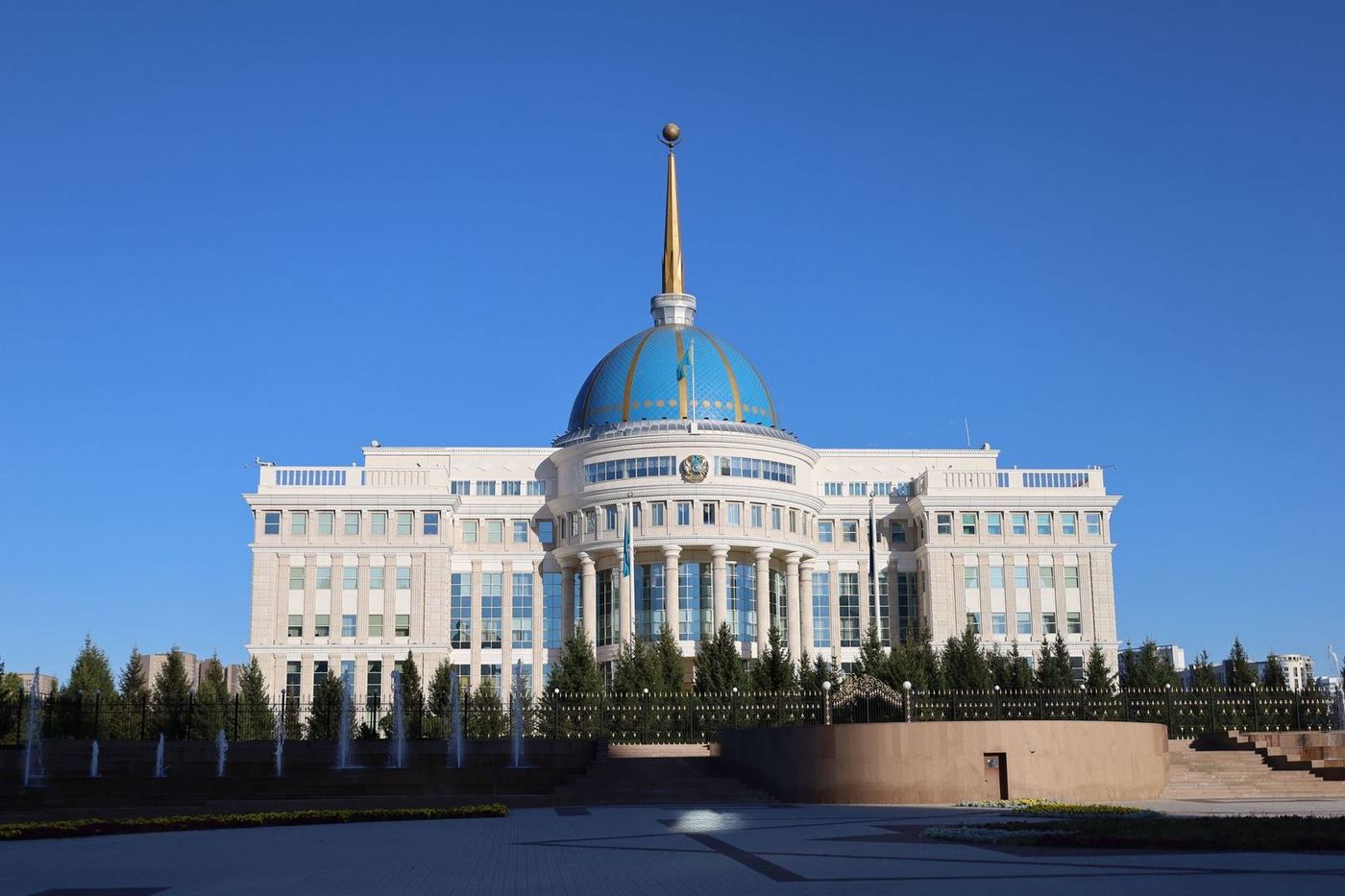
National Bank of Kazakhstan Lowers Policy Rate
The National Bank of Kazakhstan (NBK) decreased its base rate by 50 basis points to 16.25% on 22 September 2026, as announced by Governor Timur M Suleimenov. This decision followed a comprehensive assessment by the Monetary Policy Committee of current macroeconomic trends, monetary conditions, and the balance of risks.
A primary factor was the deceleration of annual inflation, which reached a single-digit level of 9.8% in August, marking the eleventh consecutive month of decline. The NBK attributed this reduction to its monetary policy stance, a stable tenge exchange rate, normalised consumer demand, and joint anti-inflationary measures with the government.
Despite the rate cut, the central bank stated its commitment to maintaining moderately tight monetary conditions to ensure inflation continues to fall and stabilises near its 5% medium-term target.
Domestic Economy Shows Resilience
Kazakhstan's domestic economy demonstrated continued expansion in the January-July 2026 period, with gross domestic product (GDP) growing by 4.1% year-on-year. The non-oil sector was a key driver, showing an estimated growth of 5.4% when excluding mining activities. Strong performance was observed in construction, manufacturing, and transport and warehousing sectors.
Trade, agriculture, and communications also recorded solid growth. Domestic demand remained resilient, as evidenced by a 4.1% year-on-year increase in real retail trade during January-July 2026. Consumer lending growth was balanced, with annual growth at 11.3% in July, including 8.2% for unsecured consumer loans.
Investment activity expanded significantly, with fixed capital investment rising by 7.7% year-on-year in January-July, and a substantial 25% year-on-year in the non-resource sector when excluding government-funded investments.
External Inflationary Pressures Persist
The external economic environment continues to present inflationary challenges, according to the National Bank of Kazakhstan. Geopolitical tensions are influencing global food prices, while the conflict in the Middle East is intensifying energy-driven inflation in advanced economies. This has led central banks in these regions to adopt more cautious or tighter policy stances.
Global food prices remain elevated, primarily due to increases in cereals, sugar, and vegetable oils, though falling meat and dairy prices offer some offset. The outlook for the oil market remains uncertain, with baseline assumptions for oil prices at USD 89 per barrel in 2026, USD 75 per barrel in 2027, and USD 65 per barrel in 2028.
Regionally, inflation in Russia accelerated to 6% in July, prompting the Bank of Russia to cut its key rate to 14% in July, despite a more restrictive tone for future policy due to expansionary fiscal policy.
The European Union saw inflation rise to 3% in July, with the European Central Bank holding rates steady amid high uncertainty, while the United States recorded 3.4% inflation in July, with the Federal Reserve maintaining a restrictive stance.
Revised Inflation Outlook for 2027
The National Bank of Kazakhstan has maintained its inflation forecast for 2026 at 9-11%. However, the forecast for 2027 has been revised upwards to 6.5–8.5%, a change attributed to anticipated higher external inflation.
This suggests that while domestic factors have supported recent disinflation, external risks are expected to exert continued upward pressure on prices, potentially complicating the path to the 5% medium-term inflation target.
For decision-makers in Asia, particularly those with trade or investment ties to Central Asia, this outlook means that while the central bank is prepared to ease policy when conditions allow, the overall monetary stance will likely remain cautious.
Businesses and investors in Kazakhstan, or those considering the market, should closely monitor future inflation data prints and global energy price developments, especially given the NBK's commitment to moderately tight monetary conditions despite the recent rate cut and the revised 2027 inflation forecast.
This analysis is journalism, not investment advice; consult a licensed professional before making financial decisions.
Pieces are credited to the desk that commissioned and edited them. Our editorial standards, and the desks behind them, are set out on the Editorial Standards and Team pages.
Further reading
- Briefings · Policy
What economic disruption does IMF foresee from AI for Asia?
The International Monetary Fund's Managing Director Kristalina Georgieva warned of AI's pervasive impact on labour markets and government revenues, while projecting up to a percentage point growth for advanced Asian economies.
Continue reading → - Briefings · Policy
Has Australian security policy curbed China research collaboration?
Despite increased security governance, co-authored educational articles between Australian and Chinese researchers rose 53.7% between 2023 and 2024, reaching a decade high.
Continue reading → - Briefings · Industry
How does Vicor's latest US import ban bid affect Taiwan's AI server firms?
Power component producer Vicor Corporation has made a second attempt this year to prevent imports of AI server power hardware from Foxconn, Quanta, and Delta into the US market.
Continue reading →