
US-Myanmar trade defies sanctions, hits $1.1bn
Despite ongoing sanctions, commercial ties between the United States and Myanmar totalled US$1.1 billion in 2025, alongside recent diplomatic overtures and sustained lobbying efforts in Washington.
Recent Overtures from Naypyitaw
Recent developments suggest a potential recalibration of engagement between the United States and Myanmar's administration. Adam Castillo, a former president of the American Chamber of Commerce in Myanmar, who had advocated for sanctions relief in return for US concessions, was released in recent days after being detained for over three months.
This event coincided with Senior General Min Aung Hlaing granting his first face-to-face interview with a major Western publication since the 2021 change in government. During this interview with Time magazine's Charlie Campbell in Naypyitaw, Min Aung Hlaing called for the United States and other Western nations to reconsider their existing sanctions against Myanmar.
These instances collectively point to efforts by Naypyitaw to foster renewed dialogue and potentially ease international economic pressures.
Sustained Lobbying Efforts in Washington
The recent overtures are part of a broader, sustained campaign by Myanmar's administration to improve its international standing and re-establish connections in Washington. Since July 2025, the administration has engaged the Washington-based lobbying firm DCI Group under a contract valued at US$3 million annually.
Furthermore, Foreign Agents Registration Act filings for this year (2026) indicate that Roger Stone, a long-time associate of former President Trump, has received US$50,000 each month through this arrangement.
These lobbying activities are aimed at rebuilding relations with Washington and enhancing the administration's public profile, suggesting a calculated push to influence US policy and media perception regarding Myanmar.
Trade Continues Despite Policy Stance
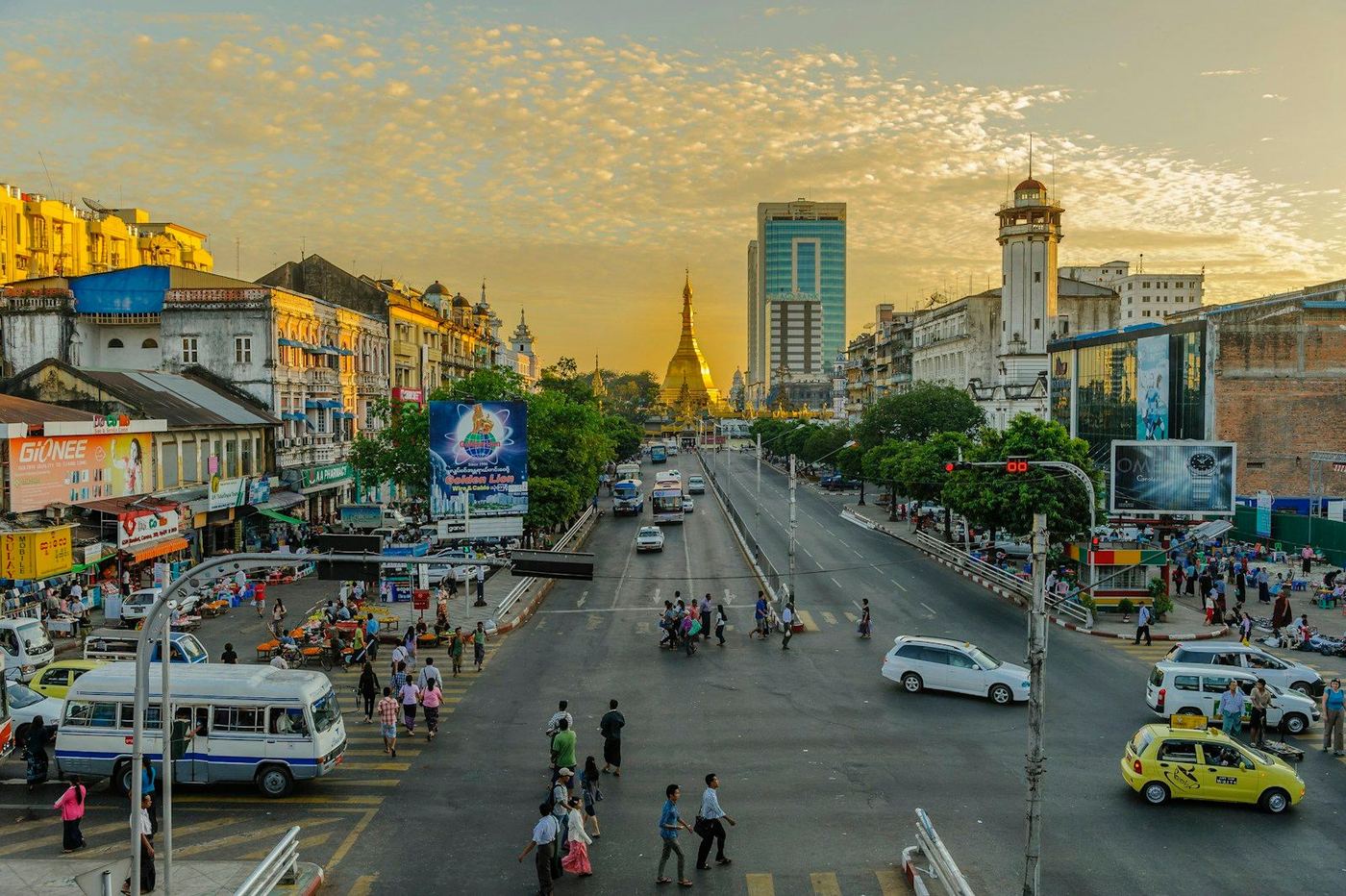
While Washington has implemented measures to sanction Myanmar's military, including the passage of the BURMA Act and expanded sanctions, commercial activity has largely persisted. Government-to-government engagement under the Trade and Investment Framework Agreement (TIFA) remains suspended. However, American brands retain a visible presence in Myanmar, and trade flows continue.
In 2025, the total value of trade in goods and services between the United States and Myanmar reached US$1.1 billion, demonstrating that economic ties endure even amidst a restrictive policy environment. This figure indicates a baseline of commercial interaction that has not been entirely curtailed by the current sanctions regime.
Outlook for US-Myanmar Economic Relations
For businesses and investors, the continued commercial exchange, evidenced by the US$1.1 billion trade volume in 2025, suggests that opportunities for engagement in Myanmar persist despite the formal sanctions framework.
The recent release of Adam Castillo and the high-profile interview with Senior General Min Aung Hlaing, coupled with ongoing lobbying efforts, signal Naypyitaw's commitment to seeking a normalisation of economic relations.
Decision-makers should monitor any official statements from the US Department of State or Treasury regarding sanctions policy, particularly any indications of a review or adjustment, as these would directly affect the operating environment for foreign capital and trade flows into Myanmar.
The sustained commercial activity provides a foundation, but future policy shifts remain contingent on diplomatic developments.
This analysis is journalism, not investment advice; consult a licensed professional before making financial decisions.
Pieces are credited to the desk that commissioned and edited them. Our editorial standards, and the desks behind them, are set out on the Editorial Standards and Team pages.
Further reading
- Briefings · Markets
How does Vietnam's 9.95% Q3 growth affect its 2026 target?
Vietnam's economy expanded by 9.95% in the third quarter of 2026, marking its quickest pace in four years, yet it requires a significant acceleration in Q4 to meet its annual goal.
Continue reading → - Briefings · Policy
Will Hong Kong's Five-Year Tax Relief Attract Major Innovation Firms?
Hong Kong lawmakers expressed reservations about the government's plan to offer 5% or 8.25% profits tax for up to five years to innovative companies, arguing the period is too short to draw new headquarters.
Continue reading → - Briefings
Will AI-driven automation constrain economic growth?
A new working paper from the Bank for International Settlements suggests widespread AI adoption could paradoxically slow long-term economic expansion by shrinking consumer markets.
Continue reading →