
How will Hyundai's new RX team accelerate Atlas robot production?
Hyundai Motor Group has established a dedicated RX Business Strategy Team to oversee its global robotics ambition and systematise the mass production of its Atlas humanoid robot.
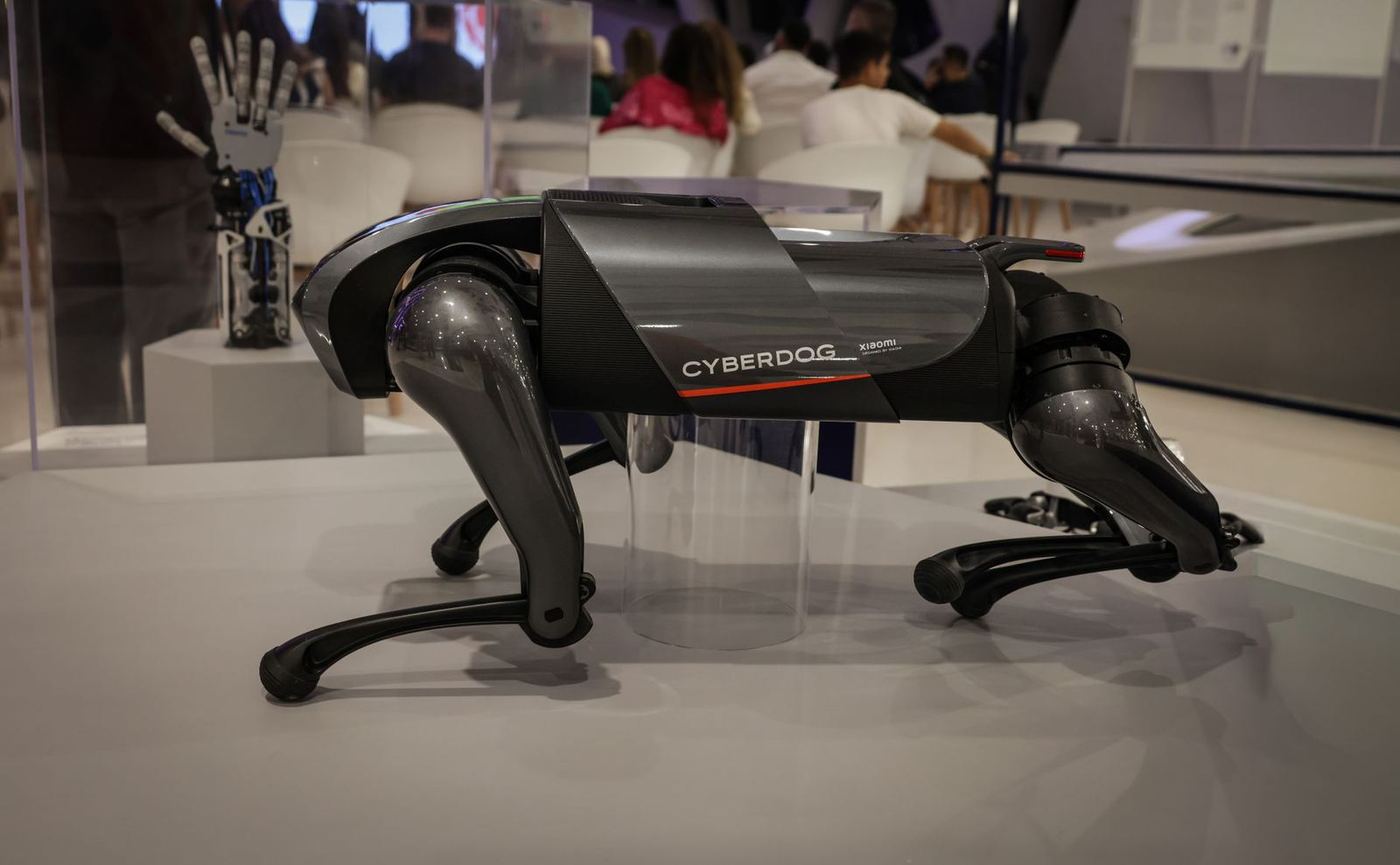
Hyundai Establishes Robotics Strategy Team
Hyundai Motor Group, the South Korean automotive manufacturer, has established a new RX Business Strategy Team.
This team is designed to manage the company's global robotics strategy, operating under the corporate vision described as "Robotics Everything." This organisational adjustment, effective as of 19 October 2026, aims to consolidate Hyundai's efforts in the burgeoning robotics sector.
The establishment of this dedicated unit shows a strategic restructuring within the group, intended to streamline its approach to advanced automation technologies.
Accelerating Atlas Humanoid Robot Production
A primary objective for the newly formed RX Business Strategy Team is to accelerate the production and market distribution of Hyundai's Atlas humanoid robot. The company's intention is to systematise the manufacturing and sale processes for this advanced robotic platform.
This focus on the Atlas model reveals Hyundai's commitment to bringing humanoid robots to a broader commercial scale, moving beyond research and development into mass production capabilities. The systematisation effort suggests an emphasis on efficiency, cost-effectiveness, and scalability in its robotics ventures.
Implications for Industrial Automation
Hyundai Motor Group's move to create a dedicated robotics strategy team and accelerate humanoid robot production could influence the wider industrial automation landscape, particularly across Asia.
The systematisation of Atlas robot manufacturing suggests a drive towards making advanced robotics more accessible for various applications, potentially lowering barriers to adoption for other industries.
For decision-makers in Asian manufacturing, this development points to a future where general-purpose humanoid robots might play a more significant role in factory floors and logistics.
Monitoring Hyundai's progress in scaling Atlas production will offer insights into the commercial viability and operational integration challenges for such sophisticated systems, with initial data on production volumes expected in early 2027.
This analysis is journalism, not investment advice; consult a licensed professional before making financial decisions.
Pieces are credited to the desk that commissioned and edited them. Our editorial standards, and the desks behind them, are set out on the Editorial Standards and Team pages.
Further reading
- Briefings · Policy
What will the ADB's $139.55 million loan deliver for Puducherry's urban infrastructure?
The Asian Development Bank approved a $139.55 million loan on 30 October 2026 to enhance Puducherry's water, sanitation, and public spaces, aiming to boost the Indian city's competitiveness for investment and tourism.
Continue reading → - Briefings · Policy
How will ADB's $104.5 billion financing reshape its Asia-Pacific operations?
The Asian Development Bank's first Strategic Business Outlook details $104.5 billion for 2027–2029, alongside reforms to enhance project preparation and delivery across the region.
Continue reading → - Briefings · Policy
Do contingent tariffs in trade agreements reduce deforestation?
New research suggests that linking market access to forest conservation could prevent agricultural expansion and even lead to reforestation, with implications for Asian nations negotiating with the European Union.
Continue reading →