
EQT's A$9.3bn Cleanaway acquisition to reshape Australian waste
Global private equity firm EQT has agreed to fully acquire ASX-listed Cleanaway Waste Management for A$3.095 per share, consolidating a major provider of essential services across Australia.
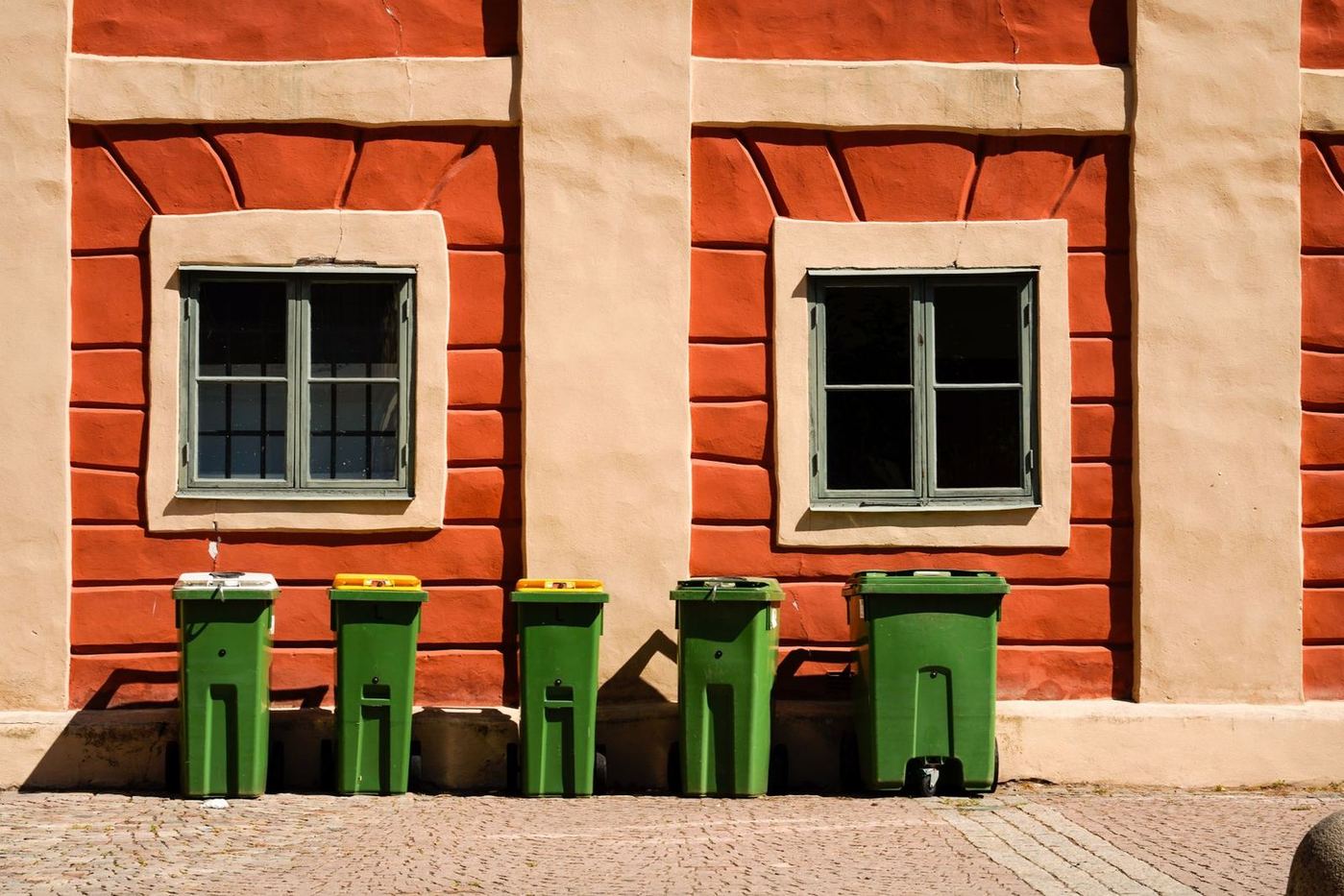
EQT Acquires Australian Waste Management Firm
Global private equity firm EQT has agreed to purchase 100% of Cleanaway Waste Management, an ASX-listed company. The transaction is valued at A$9.3 billion, which is equivalent to $6.5 billion. This acquisition translates to A$3.095 in cash for each Cleanaway share, according to an announcement made on October 19.
The deal marks a significant investment by EQT into Australia's essential services sector, targeting a company with a broad operational footprint.
Cleanaway's Extensive Service Portfolio
Cleanaway Waste Management provides a comprehensive array of waste management services across Australia. Its operations encompass collection, recycling, treatment, and disposal of waste materials. The company serves a diverse client base, including individual households, commercial businesses, and various local councils throughout the country.
This wide reach establishes Cleanaway as a key player in the national infrastructure for waste management, offering critical services that support both urban and regional communities.
Consolidation in the Australian Market
EQT's acquisition of Cleanaway represents a material consolidation within Australia's waste services industry. By taking full ownership of a significant provider, EQT is positioned to influence the market structure and operational strategies of a sector vital to public health and environmental management.
The scale of this A$9.3 billion transaction suggests a strategic move to secure a dominant position or to drive efficiencies across a large, established network. Such an investment by a global private equity entity often precedes operational restructuring or technological upgrades aimed at optimising service delivery.
Implications for Australian Services and Asia-Pacific Investment
The acquisition's magnitude suggests potential shifts in market dynamics for waste management across Australia. Decision-makers in the Australian waste sector may observe changes in service provision standards, pricing structures, or investment priorities following this consolidation.
For the broader Asia-Pacific region, this transaction highlights ongoing private equity interest in essential services infrastructure, particularly in developed markets like Australia. Investors in similar sectors across Asia may track how EQT integrates Cleanaway's operations and the subsequent impact on its operational model and financial performance.
The next data point to watch would be any future announcements from EQT regarding strategic plans for Cleanaway's operations, which could emerge in early 2027.
This analysis is journalism, not investment advice; consult a licensed professional before making financial decisions.
Pieces are credited to the desk that commissioned and edited them. Our editorial standards, and the desks behind them, are set out on the Editorial Standards and Team pages.
Further reading
- Briefings · Policy
What will the ADB's $139.55 million loan deliver for Puducherry's urban infrastructure?
The Asian Development Bank approved a $139.55 million loan on 30 October 2026 to enhance Puducherry's water, sanitation, and public spaces, aiming to boost the Indian city's competitiveness for investment and tourism.
Continue reading → - Briefings · Policy
How will ADB's $104.5 billion financing reshape its Asia-Pacific operations?
The Asian Development Bank's first Strategic Business Outlook details $104.5 billion for 2027–2029, alongside reforms to enhance project preparation and delivery across the region.
Continue reading → - Briefings · Policy
Do contingent tariffs in trade agreements reduce deforestation?
New research suggests that linking market access to forest conservation could prevent agricultural expansion and even lead to reforestation, with implications for Asian nations negotiating with the European Union.
Continue reading →