
Can Kenya's Dangote refinery diversify Australia's oil supply?
The 700,000 barrels per day facility, set for completion by 2030, offers Australia an alternative to its 90% reliance on Asian imports.
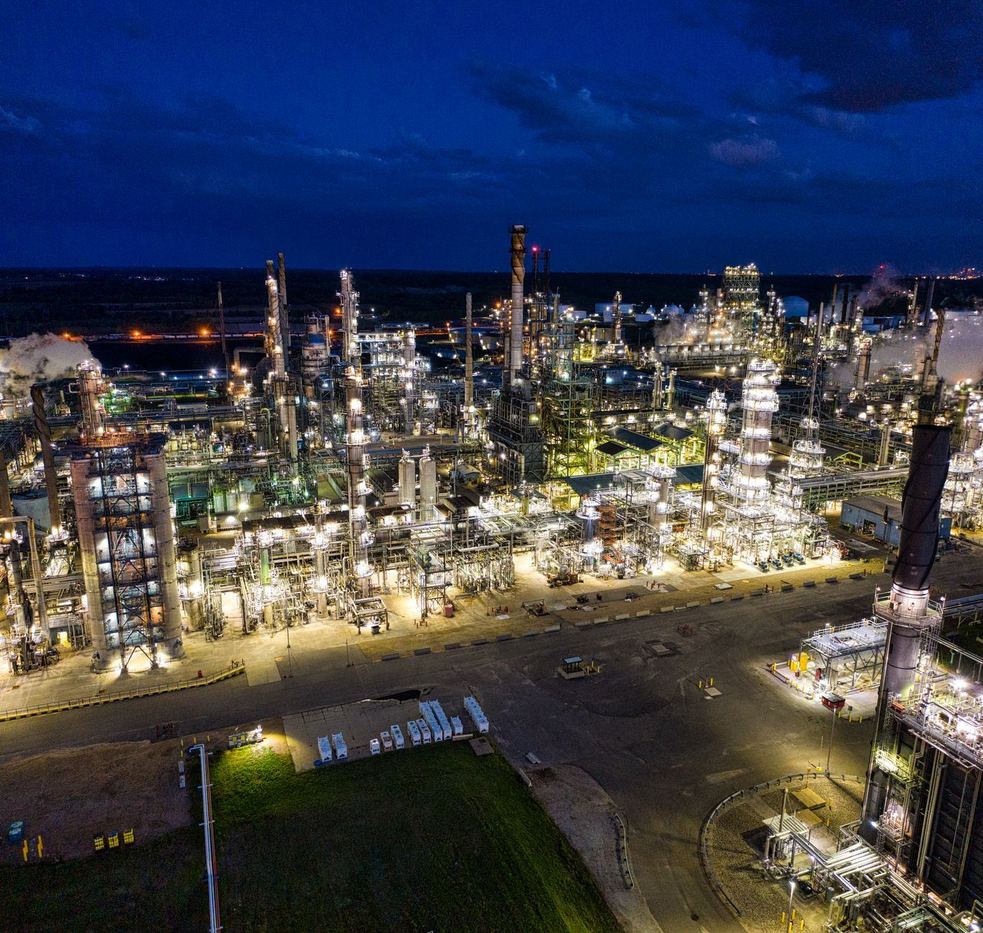
Australia's Oil Import Dependence
Australia's economy remains highly dependent on overseas oil supplies, importing approximately 90% of its total oil requirements in 2023. While a significant net exporter of energy, primarily thermal coal and liquefied natural gas, Australia is a net importer of refined petroleum products, including diesel, petrol, and jet fuel.
These products predominantly originate from refiners in Singapore, South Korea, and Malaysia. These Asian suppliers, in turn, largely source their crude oil from the Middle East. Recent supply chain disruptions, such as those impacting the Strait of Hormuz, have highlighted Australia's vulnerabilities to energy price fluctuations and interruptions in its fuel supply.
Despite ongoing domestic exploration efforts, Australia's reliance on international sources for its refined fuel needs is expected to continue in the near term.
Dangote's Kenyan Refinery Initiative
An opportunity for Australia to diversify its oil supply may emerge from East Africa, where the Dangote Group is developing a substantial oil refinery. Africa's wealthiest individual, Aliko Dangote, leads the construction of a 700,000 barrels per day (bpd) oil refinery at Lamu Port on Kenya's Indian Ocean coastline.
The groundbreaking ceremony for this project took place on 30 September 2026, with the company having already mobilised significant machinery to the site. This facility is projected to cost upwards of US$16 billion and aims for completion around 2030.
The Dangote Group is set to hold a 70% stake in the refinery, with the remaining 30% to be shared among countries in the East African region. The refinery plans to process Kenya's domestic oil production from the Lokichar Basin and potentially crude from other regional producers, including South Sudan, Angola, Nigeria, and Uganda.
East Africa's Developing Energy Infrastructure
The Dangote refinery project forms part of a broader emerging energy corridor along the western Indian Ocean. Further south, near the Kenya–Tanzania border, the East Africa Crude Oil Pipeline (EACOP) terminates at Tanga Port in Tanzania.
This 1,447-kilometre pipeline, currently 93% complete, is designed to transport Uganda's crude oil from Kabaale in Hoima to Tanga for export to international markets, with a peak capacity estimated at 246,000 bpd. Concurrently, Uganda is also constructing a smaller domestic refinery capable of processing about 60,000 bpd.
These developments align with Kenya's long-term vision for the Lamu Port-South Sudan-Ethiopia Transport (LAPSSET) Corridor, a multi-modal infrastructure initiative featuring ports, pipelines, highways, and rail lines, intended to open landlocked areas to trade and development.
Diversification Benefits for Australia
For Australia, the advent of East African oil production and refining capacity offers a strategic opportunity for supply diversification. This region could provide an additional source of petroleum, reducing Australia's concentrated reliance on its current Asian suppliers.
Given Australia's recent necessity to seek fuel alternatives from distant markets such as Canada during supply crises, a closer Indian Ocean option like East Africa could prove more efficient and potentially more economical.
While Asian neighbours will likely remain Australia's primary oil providers, the new capacities in East Africa introduce a viable alternative, enhancing supply chain resilience. The goal is not to solely depend on African oil, but to broaden supply options while managing the transition away from fossil fuels.
Implications for Australian Energy Security
Australian energy policymakers and companies should closely monitor the progress of the Dangote East Africa Refinery, which is targeting completion by 2030. Once operational, the facility's significant 700,000 bpd refining capacity, alongside Uganda's 246,000 bpd EACOP export capability, could offer a substantial alternative supply of refined products.
This potential shift could lessen Australia's 90% reliance on Asian imports as recorded in 2023, particularly from regions identified with maritime route vulnerabilities.
Decision-makers could evaluate the commercial terms and logistical arrangements for importing refined fuels from this new East African hub, considering its potential to bolster Australia's energy security and mitigate future supply disruptions.
This analysis is journalism, not investment advice; consult a licensed professional before making financial decisions.
Pieces are credited to the desk that commissioned and edited them. Our editorial standards, and the desks behind them, are set out on the Editorial Standards and Team pages.
Further reading
- Briefings · Policy
What will the ADB's $139.55 million loan deliver for Puducherry's urban infrastructure?
The Asian Development Bank approved a $139.55 million loan on 30 October 2026 to enhance Puducherry's water, sanitation, and public spaces, aiming to boost the Indian city's competitiveness for investment and tourism.
Continue reading → - Briefings · Policy
How will ADB's $104.5 billion financing reshape its Asia-Pacific operations?
The Asian Development Bank's first Strategic Business Outlook details $104.5 billion for 2027–2029, alongside reforms to enhance project preparation and delivery across the region.
Continue reading → - Briefings · Policy
Do contingent tariffs in trade agreements reduce deforestation?
New research suggests that linking market access to forest conservation could prevent agricultural expansion and even lead to reforestation, with implications for Asian nations negotiating with the European Union.
Continue reading →