
BNM: Digital payments must create value, be inclusive
Bank Negara Malaysia's Deputy Governor Aznan Abdul Aziz outlined two core principles for digital payment evolution, emphasising value creation and inclusivity, in an address delivered on 14 September 2026.
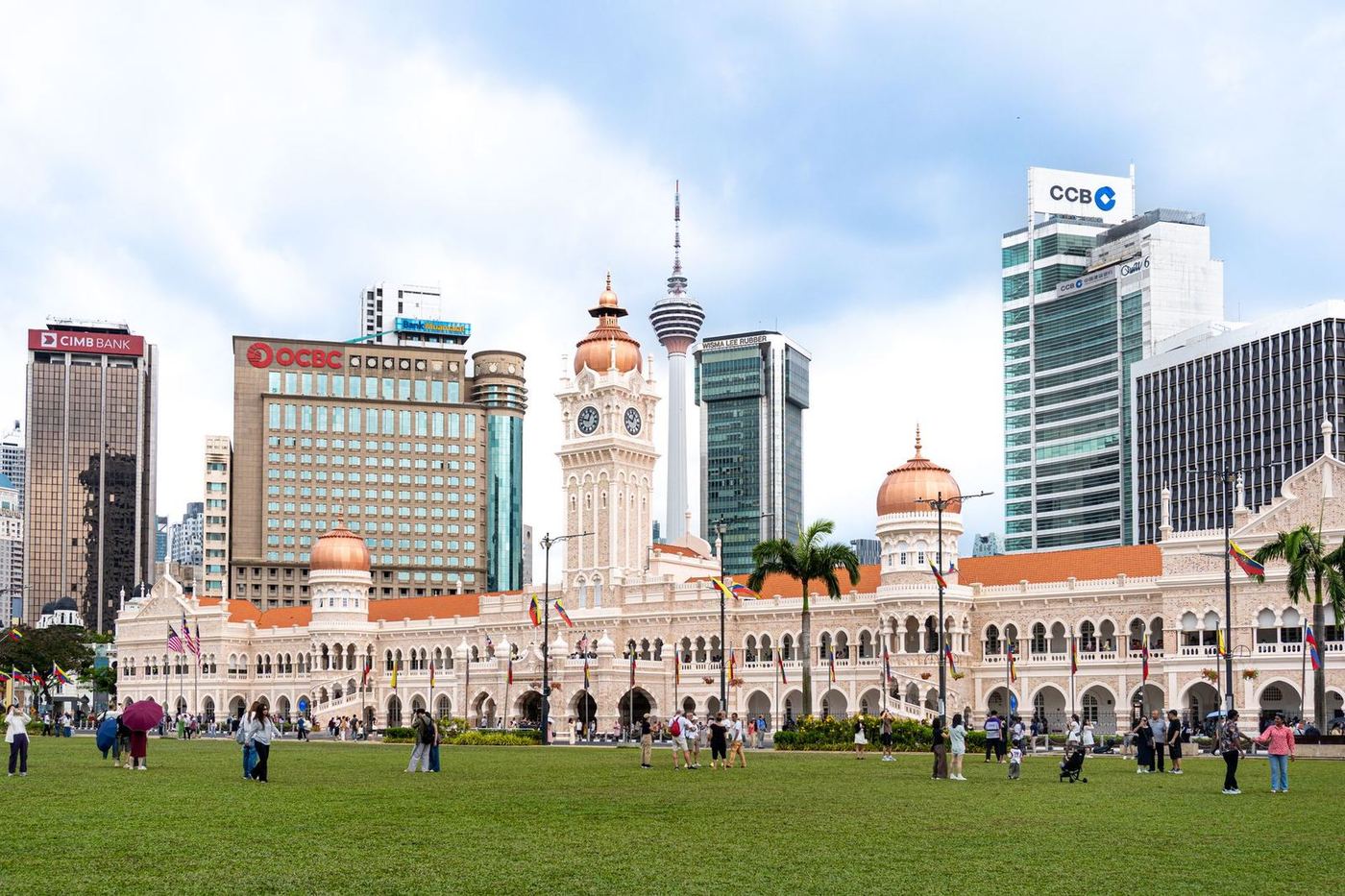
BNM outlines digital payment principles
Bank Negara Malaysia (BNM) will guide the development of digital payments through principles focused on value creation and inclusivity, as stated by Deputy Governor Aznan Abdul Aziz in an address delivered on 14 September 2026. Mr Aznan's remarks referenced the launch of RHBPay, Malaysia's first bank-owned integrated payment gateway, on 5 August 2026.
RHBPay, a collaboration with PayNet, consolidates various payment options onto a single platform, aiming to simplify payment acceptance for businesses and reduce administrative burdens.
The central bank views digital payments as a driver of consumption, productivity, and new business growth opportunities across Malaysia, moving beyond traditional cards and online transfers to embrace QR payments and mobile wallets.
Innovation must create tangible value
The first principle for payment innovation, according to BNM, is the necessity to create tangible value by solving real problems and meeting genuine needs. Mr Aznan cited the 'Cashless Redang' initiative as an example, where digital payments improved livelihoods on the remote tourist island.
Local businesses, many of them small merchants, now transact without relying on cash, with merchants reporting sales growth of up to 50% through the initiative, as stated by BNM's Deputy Governor on 14 September 2026. Improved record-keeping also allows these businesses to access other financial products.
Furthermore, regional payment connectivity, with over 50 million merchant touchpoints across ASEAN supporting cross-border QR payments, enables Malaysian businesses, including over three million DuitNow QR touchpoints, to reach more international visitors and generate additional income.
In wholesale payments, the Digital Assets Innovation Hub (DAIH) explores ringgit stablecoins and tokenised deposits to address frictions in corporate treasury management, capital market settlement, and supply chain management.
Ensuring inclusive access and choice
The second principle emphasises that innovation must be inclusive, ensuring benefits extend beyond large corporations and urban centres to businesses of all sizes and communities nationwide. BNM's e-Duit outreach programme, which has conducted over 100 programmes across the country since 2022, aims to expand awareness and encourage digital payment adoption.
These efforts have onboarded more than 10,000 merchants, extending digital payment acceptance to rural and underserved communities. Access also involves affordability; initiatives such as the tiered pricing approach for DuitNow QR reduce adoption costs, making digital payments more accessible. Financial institutions, including RHB, have supported these efforts.
BNM also supports open finance, which will offer consumers and businesses greater choice in financial solutions that meet their specific requirements.
Implications for financial institutions and fintechs
Financial institutions and fintech companies operating in Malaysia should align their innovation strategies with Bank Negara Malaysia's stated principles of value creation and inclusivity. The central bank expects further collaboration within the Digital Assets Innovation Hub to address existing pain points in the financial system and broader economy.
Businesses should also prepare for forthcoming guidance on open finance frameworks, as BNM aims to broaden access and choice in financial services.
Continued participation in initiatives like the e-Duit programme and support for affordable payment solutions, such as tiered pricing for DuitNow QR, will remain central to the central bank's vision for a more integrated and efficient payments ecosystem across Malaysia.
This analysis is journalism, not investment advice; consult a licensed professional before making financial decisions.
Pieces are credited to the desk that commissioned and edited them. Our editorial standards, and the desks behind them, are set out on the Editorial Standards and Team pages.
Further reading
- Briefings · Industry
How will Japan's fiscal 2031 quantum sensor drone plan reshape undersea surveillance?
Japan's defence budget request, released in late August, outlines a plan to deploy drone-mounted quantum magnetic sensors by fiscal 2031. This initiative seeks to improve maritime detection efficiency and reduce operational costs.
Continue reading → - Briefings · Markets
How do US$100 oil and 5% US yields divide ASEAN currencies?
Analysts observe a significant split in regional currency performance, with some benefiting from trade surpluses and capital inflows while others face import cost pressures.
Continue reading → - Briefings · Markets
How will RBI's September 16 reverse repo affect India's liquidity?
The Reserve Bank of India will conduct an overnight variable rate reverse repo operation on September 16, 2026, aiming to absorb surplus funds from the banking system.
Continue reading →