
ADB grants $20.5m to digitalise Tajikistan's social benefits
The Asian Development Bank approved a $20.5 million grant on 2 October 2026 to digitalise Tajikistan's social benefits and expand pension coverage, aiming to bolster financial security for vulnerable workers.
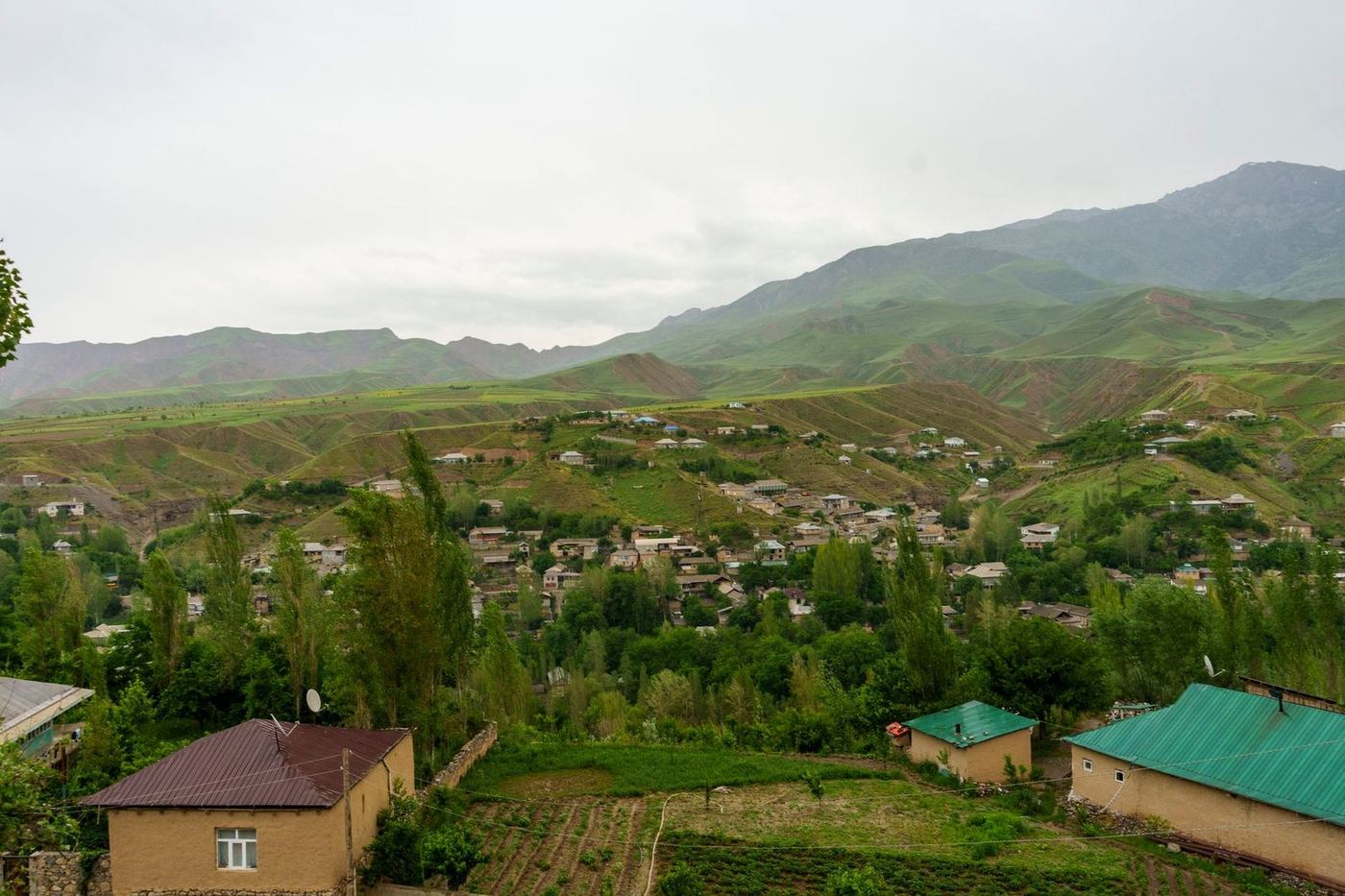
ADB's $20.5 Million Commitment to Tajikistan
The Asian Development Bank (ADB) approved a $20.5 million grant on 2 October 2026, targeting the modernisation of Tajikistan's social insurance and pension system. This financing aims to expand pension coverage, enhance the delivery of retirement and other social benefits, and make these services more accessible and secure for the population.
The total package comprises a $19.5 million grant from the ADB's Asian Development Fund (ADF), with an additional $1 million from the High-Level Technology Fund, facilitated by the Government of Japan through the ADB.
A significant portion of the ADF grant, $12.32 million, is specifically allocated from the ADB's support initiative for countries affected by economic and financial pressures stemming from the Middle East conflict.
Addressing Economic Vulnerability
The initiative responds to pressing economic challenges in Tajikistan, where pension benefits are among the lowest in Central Asia and the South Caucasus, leaving many older individuals with limited financial stability.
A substantial portion of the workforce, including those in informal, seasonal, and self-employed roles, along with labour migrants, currently operates outside the formal pension system.
These existing vulnerabilities are compounded by external factors, such as increased food and fuel prices, disruptions to transport and supply chains, and uncertainty regarding labour migration, all linked to the ongoing conflict in the Middle East. These pressures disproportionately affect low-income households, current pensioners, informal workers, and women.
Digital Transformation of Social Services
To address these systemic issues, the project will implement a comprehensive digital transformation of the Agency of Social Insurance and Pension. Key upgrades include establishing secure data centres, deploying a unified digital platform for client services and administrative functions, and strengthening cybersecurity protocols.
The plan also involves digitising existing records and improving data sharing capabilities with other government agencies. Furthermore, the ADB-backed project will facilitate the upgrade of Agency offices in Dushanbe and Bokhtar, alongside extensive training for staff to effectively utilise the new systems.
This digital platform is anticipated to provide faster and more secure services to at least 320,000 existing contributors and 250,000 pensioners.
Expanding Social Safety Nets
Beyond digital infrastructure, a core objective of the grant is to broaden the reach of Tajikistan's social safety net. The project specifically aims to extend pension coverage to previously excluded groups, including informal and self-employed workers, as well as labour migrants and their families.
A particular focus is placed on assisting women who face limited access to benefits, helping them enrol in the system. This expansion will also connect women with essential services, such as maternal health care and protection from violence, while simultaneously enhancing their financial security and capacity to withstand natural hazards. This holistic approach seeks to integrate vulnerable populations into the formal social protection framework.
The So-What for Tajikistan's Economy
This $20.5 million ADB grant is expected to significantly bolster Tajikistan's social resilience and economic stability by directly addressing critical gaps in its social protection system.
The modernisation and expansion efforts, specifically targeting 320,000 existing contributors and 250,000 pensioners, aim to mitigate the financial strain on vulnerable households, particularly amidst regional economic volatility driven by external conflicts.
Decision-makers in Tajikistan will be monitoring the implementation timeline and the initial enrolment figures for informal workers and women, which will serve as key indicators of the project's effectiveness in strengthening the nation's capacity to support its most susceptible populations against future economic shocks.
This analysis is journalism, not investment advice; consult a licensed professional before making financial decisions.
Pieces are credited to the desk that commissioned and edited them. Our editorial standards, and the desks behind them, are set out on the Editorial Standards and Team pages.
Further reading
- Briefings · Policy
Will Hong Kong's Five-Year Tax Relief Attract Major Innovation Firms?
Hong Kong lawmakers expressed reservations about the government's plan to offer 5% or 8.25% profits tax for up to five years to innovative companies, arguing the period is too short to draw new headquarters.
Continue reading → - Briefings · Markets
How does Vietnam's 9.95% Q3 growth affect its 2026 target?
Vietnam's economy expanded by 9.95% in the third quarter of 2026, marking its quickest pace in four years, yet it requires a significant acceleration in Q4 to meet its annual goal.
Continue reading → - Briefings · Markets
What does Phu My Hung's 297-unit Triton Crown reveal for Ho Chi Minh City's luxury supply?
Phu My Hung's Triton Crown, a 297-unit luxury residential project launched in late September 2026, occupies one of the last four-frontage sites in Ho Chi Minh City's central Phu My Hung district, targeting affluent buyers.
Continue reading →