
Canada Accelerates Trade Diversification Following US 50% Tariffs
Canada is accelerating its strategy to broaden trade partnerships and reinforce domestic economic activity following the imposition of 50% tariffs by the United States on specific goods, valued at US$20 billion. This approach seeks to mitigate the impact of reduced access to its largest export market.
The Tariff Impact and Canadian Response
The United States introduced 50% tariffs on certain Canadian goods, valued at US$20 billion, effective 22 August 2026. This measure affects approximately 5.5% of Canada's total exports to the United States and includes products previously protected under the United States-Mexico-Canada Agreement (USMCA).
Professor Richard Ouellet, an expert in international economic law at Quebec's Laval University, observed that the USMCA had functioned as a safeguard, a role now challenged by these new tariffs.
Canadian Prime Minister Mike Carney stated on 21 August 2026 that Canada would implement reciprocal tariffs, matching the US levies dollar for dollar, to protect its domestic workers and businesses. This action follows a period of unsuccessful negotiations between the two nations, highlighting a shift in bilateral trade dynamics.
The Canadian response underscores a strategic effort to manage the economic consequences of altered trade conditions with its primary export destination.
Diversifying External Trade Partnerships
Since assuming office in March 2025, Prime Minister Mike Carney has prioritised expanding Canada's economic relationships beyond the United States. This strategy involves actively seeking new markets in various regions.
Prime Minister Carney has undertaken diplomatic and trade missions to nations including China, India, Saudi Arabia, and several European countries, aiming to secure new agreements. A notable outcome of this reorientation was a preliminary agreement signed with China in January 2026, facilitating the import of electric vehicles into Canada.
Furthermore, Canada strengthened its ties with Europe, exemplified by the selection of the German firm TKMS in July 2026 to construct its new submarine fleet. Data from Canada's international trade minister revealed that in 2025, the value of exports to non-US markets increased by 11%, reaching 33% of total exports, which represents the highest proportion in over four decades. These efforts demonstrate a deliberate shift in Canada's trade focus to reduce reliance on a single market.
Strengthening Domestic Economic Activity
Alongside external diversification, Canada is concentrating on reinforcing its domestic economy to mitigate the impact of reduced access to the US market. One of Prime Minister Carney's initial policy initiatives involved federal legislation designed to reduce interprovincial trade barriers, aiming to foster greater internal commerce.
While provincial governments have shown varying degrees of willingness to remove their own restrictions, Professor Richard Ouellet of Laval University indicated that the Canadian market has generally seen renewed vigour, leading to increased domestic trade.
Furthermore, the government established the Major Projects Office to streamline bureaucratic processes and accelerate approvals for significant infrastructure initiatives. Ottawa has allocated C$115 billion (US$83 billion) for infrastructure projects and C$82 billion for defence spending over the coming years.
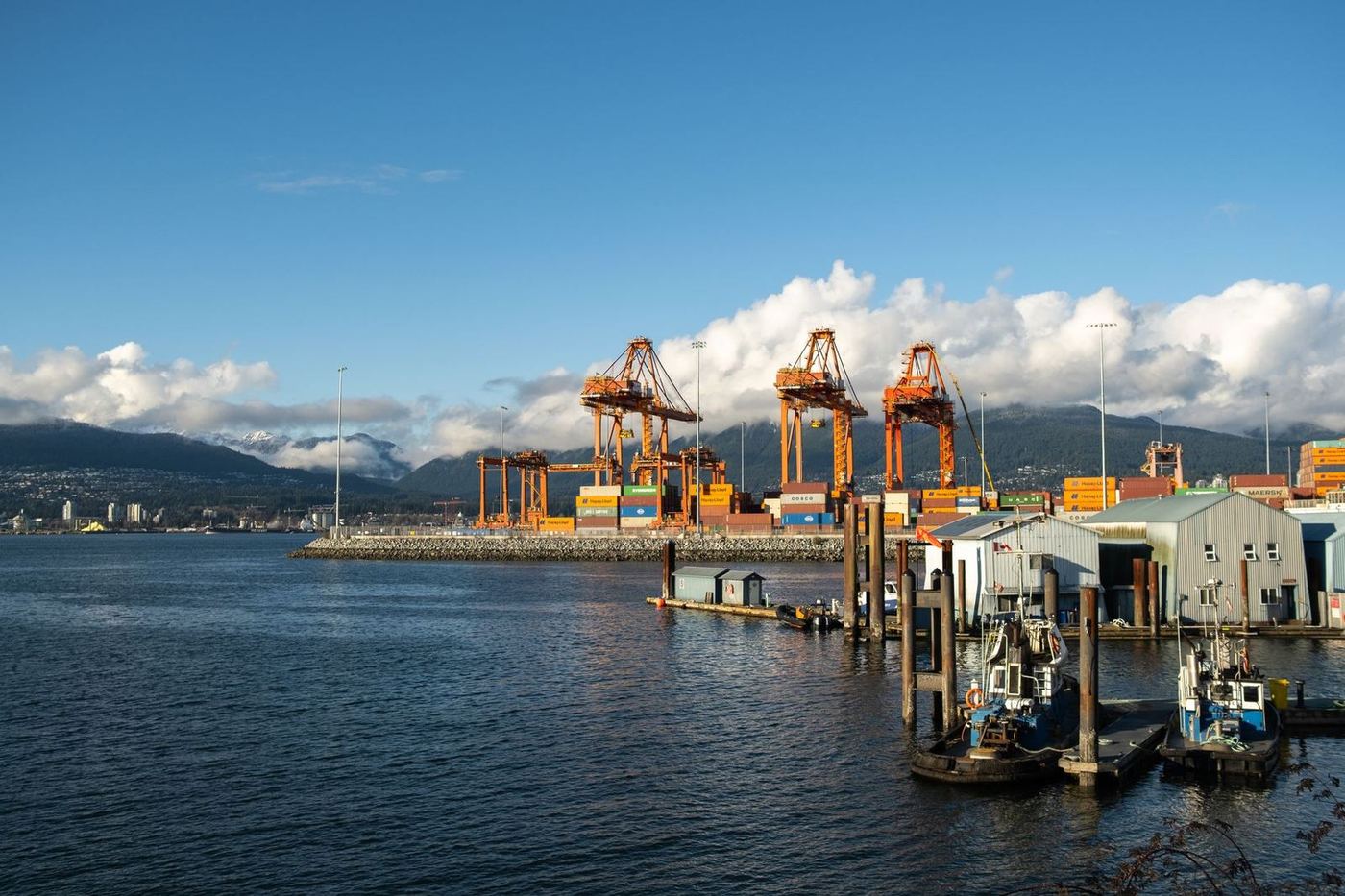
These investments include plans for port expansions in Montreal and Vancouver, the development of new mines for critical minerals, and support for an oil pipeline connecting Alberta to the Pacific coast, all intended to stimulate internal economic activity.
Economic Outlook and Mitigating Factors
The imposition of US tariffs has occurred during a period when Canada's economy has faced challenges, entering a technical recession in 2026 following two consecutive quarters of economic contraction. However, assessments from financial institutions suggest that the immediate impact of the latest tariffs may be contained.
RBC, Canada's largest bank, projected last month that the initial package of 50% tariffs would not substantially alter broader Canadian economic growth.
This assessment is based on the understanding that while the new tariffs are significant, they still affect a relatively small segment of total trade between the two countries, with approximately 80% of Canadian goods continuing to enter the United States without tariffs.
Moreover, Canada's central bank observed in July 2026 that the economy was exhibiting signs of improvement, noting that some businesses had begun adapting to US protectionist measures by identifying new customers in international markets. These factors collectively indicate a degree of resilience within the Canadian economy.
Implications for Asian Trade and Investment
Canada's strategic reorientation away from its traditional reliance on the US market presents direct implications for Asian economies and investors. The 11% increase in Canadian exports to non-US markets during 2025, reaching 33% of total exports, indicates a tangible shift in trade flows, with Asian nations representing key destinations for this diversification.
The preliminary agreement signed with China in January 2026 for electric vehicle imports highlights a specific sector where Asian markets can anticipate increased engagement. For investors and businesses in Asia, this policy direction may translate into opportunities for expanded trade in goods and services, including critical minerals and advanced manufacturing.
Decision-makers should monitor Canada's export data to China and India in the upcoming 2026 and 2027 annual reports from Canada's international trade minister, as these will reveal the sustained impact of this diversification strategy and the specific growth in trade volumes with Asian partners.
This analysis is journalism, not investment advice; consult a licensed professional before making financial decisions.
Pieces are credited to the desk that commissioned and edited them. Our editorial standards, and the desks behind them, are set out on the Editorial Standards and Team pages.
Further reading
- Briefings · Markets
SoftBank Group shares drop 11% after OpenAI delays IPO
The Tokyo-listed investment firm saw its stock decline significantly earlier this week, following an announcement from OpenAI that it would delay its initial public offering and advocate for slower AI development.
Continue reading → - Briefings · Policy
Will South Korea's Corporate Tax Rate Be Reduced?
Finance Minister nominee Lee Hyoung-il confirmed on Sunday that the 25% corporate tax rate, reinstated this year, will not be lowered, influencing business investment forecasts for the coming fiscal periods.
Continue reading → - Briefings · Policy
RBI proposes freezing accounts for cyber fraud
India's central bank seeks public input on proposed amendments to its Know Your Customer directions, aiming to formalise how banks can temporarily freeze accounts linked to cyber fraud by October 2, 2026.
Continue reading →