
Sun Hung Kai converts Hong Kong hotel to urban resort
Sun Hung Kai Properties has rebranded its former Crowne Plaza in Tseung Kwan O as the Royal Garden Kowloon East, shifting its focus from traditional business accommodation to an urban resort experience.
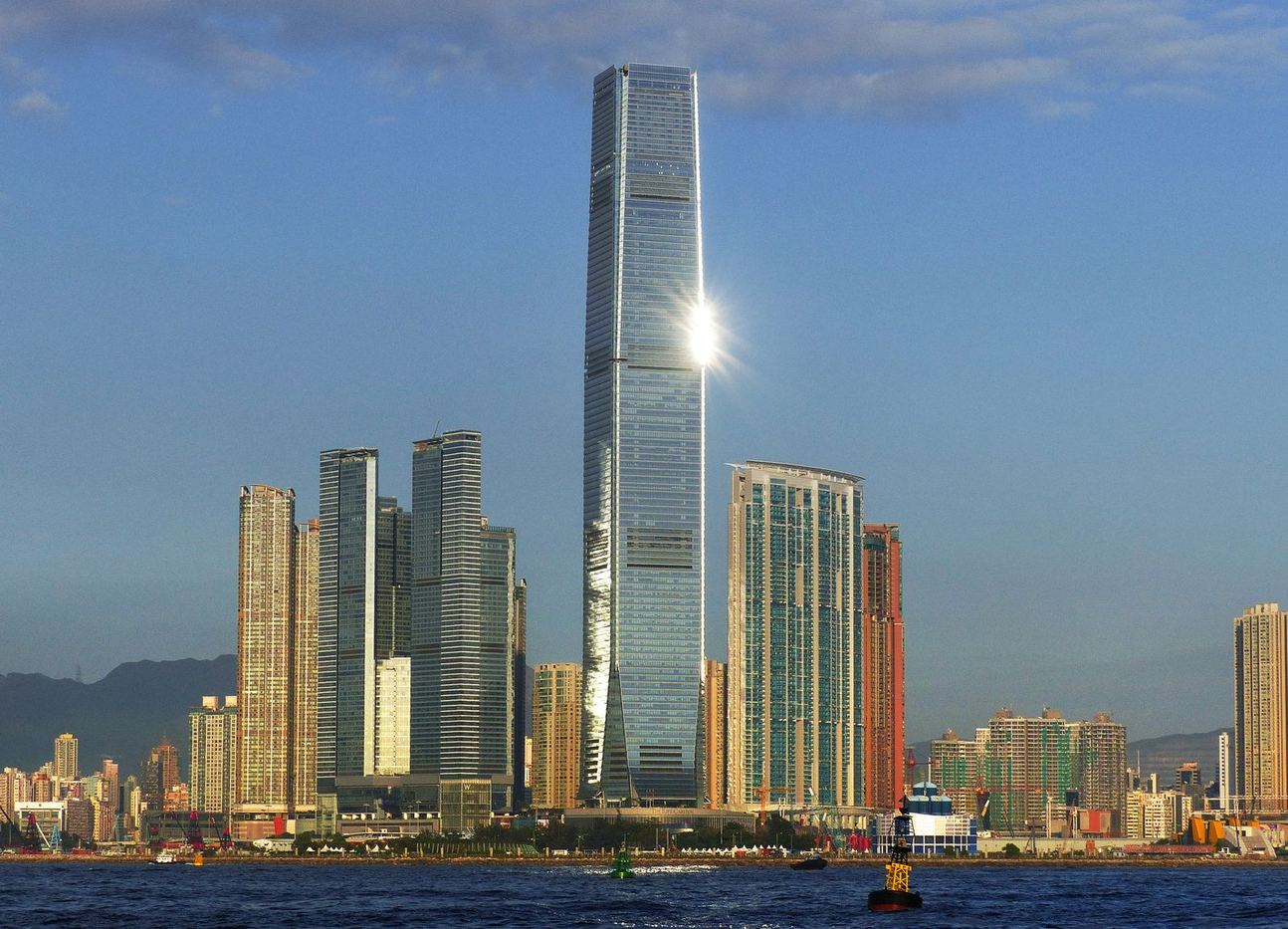
Sun Hung Kai Properties Repositions Tseung Kwan O Property
Sun Hung Kai Properties (SHKP) has converted its former Crowne Plaza hotel in Tseung Kwan O into the Royal Garden Kowloon East, a new "urban resort" concept. The developer announced this transformation on 13 October 2026, stating the move aims to address the evolving preferences of visitors to Hong Kong.
This strategic shift represents a departure from the property's previous identity as a conventional business hotel, repositioning it to cater to a broader range of leisure and lifestyle travellers.
The overhaul of the Tseung Kwan O location reflects a direct response by a major property firm to observable changes in the regional tourism landscape, moving beyond established models of urban accommodation.
Adapting to Evolving Visitor Demands
Raymond Kwok Ping-luen, Chairman and Managing Director of SHKP, explained at the hotel's opening ceremony on 13 October 2026 that the extensive renovation was undertaken to align with the changing requirements of Hong Kong's tourist demographic. Kwok noted a "new generation of tourists" as the target for the urban resort format.
He also highlighted the significant development of the Tseung Kwan O district over the past decade, suggesting that the area's growth and transformation made it suitable for such a repositioning. This indicates a focus on local area development and demographic shifts as key drivers for the company's asset management decisions within the hospitality sector.
SHKP's Enduring Hotel Sector Outlook
SHKP's commitment to the hotel sector in Hong Kong and mainland China remains firm, according to statements made by Chairman Kwok. The group established its first hotel, the Royal Garden Hotel in Tsim Sha Tsui, in 1981, and has since expanded its portfolio across the region.
Kwok expressed continued optimism regarding the future prospects of Hong Kong, which underpins the group's ongoing investment in new properties and the refurbishment of existing assets. This long-term view suggests that SHKP perceives sustained demand for high-quality accommodation options, even as the specific market segments and product offerings require adaptation.
The repositioning of the Tseung Kwan O property aligns with this broader, long-standing strategy of market responsiveness.
Implications for Hong Kong's Hospitality Market
The conversion of a prominent business hotel into an urban resort by SHKP suggests a broader trend within Hong Kong's hospitality industry to diversify offerings beyond traditional corporate travel.
This move may prompt other developers and hotel operators to re-evaluate their existing portfolios and consider similar transformations, especially in areas experiencing significant residential and lifestyle development like Tseung Kwan O. For investors, this indicates a potential shift in capital allocation towards properties that can be adapted for leisure, family, or 'staycation' markets, rather than solely relying on international business travellers.
Decision-makers in urban planning and tourism policy may also note this as evidence of changing visitor profiles and the need for infrastructure and amenities that support a more varied tourism model. The success of the Royal Garden Kowloon East will offer a benchmark for similar repositioning efforts in the coming quarters.
This analysis is journalism, not investment advice; consult a licensed professional before making financial decisions.
Pieces are credited to the desk that commissioned and edited them. Our editorial standards, and the desks behind them, are set out on the Editorial Standards and Team pages.
Further reading
- Briefings · Markets
How do offshore NDFs transmit exchange rate pressure to Asia's markets?
A new BIS study reveals that a US$1 billion increase in offshore dollar demand can depreciate domestic spot rates by 10 basis points in minutes, widening offshore-onshore spreads.
Continue reading → - Briefings · Industry
How does RRP Electronics' new facility expand India's semiconductor packaging capabilities?
RRP Electronics inaugurated an Advanced Wafer-Level Packaging facility in Navi Mumbai on October 12, 2026, adding production for SIM and eSIM modules to its outsourced semiconductor assembly and test operations.
Continue reading → - Briefings · Policy
How will MDBs deliver more financing for developing economies?
Heads of multilateral development banks met in Manila on 17 October 2026, affirming joint action to address challenges like economic uncertainty and high debt for developing nations.
Continue reading →