
Singapore REITs face higher rates, scrutiny over rich fees
Singapore's real estate investment trust sector, which debuted in 2002, faces scrutiny over rising interest rates and its manager compensation structures as it nears its 25th anniversary.
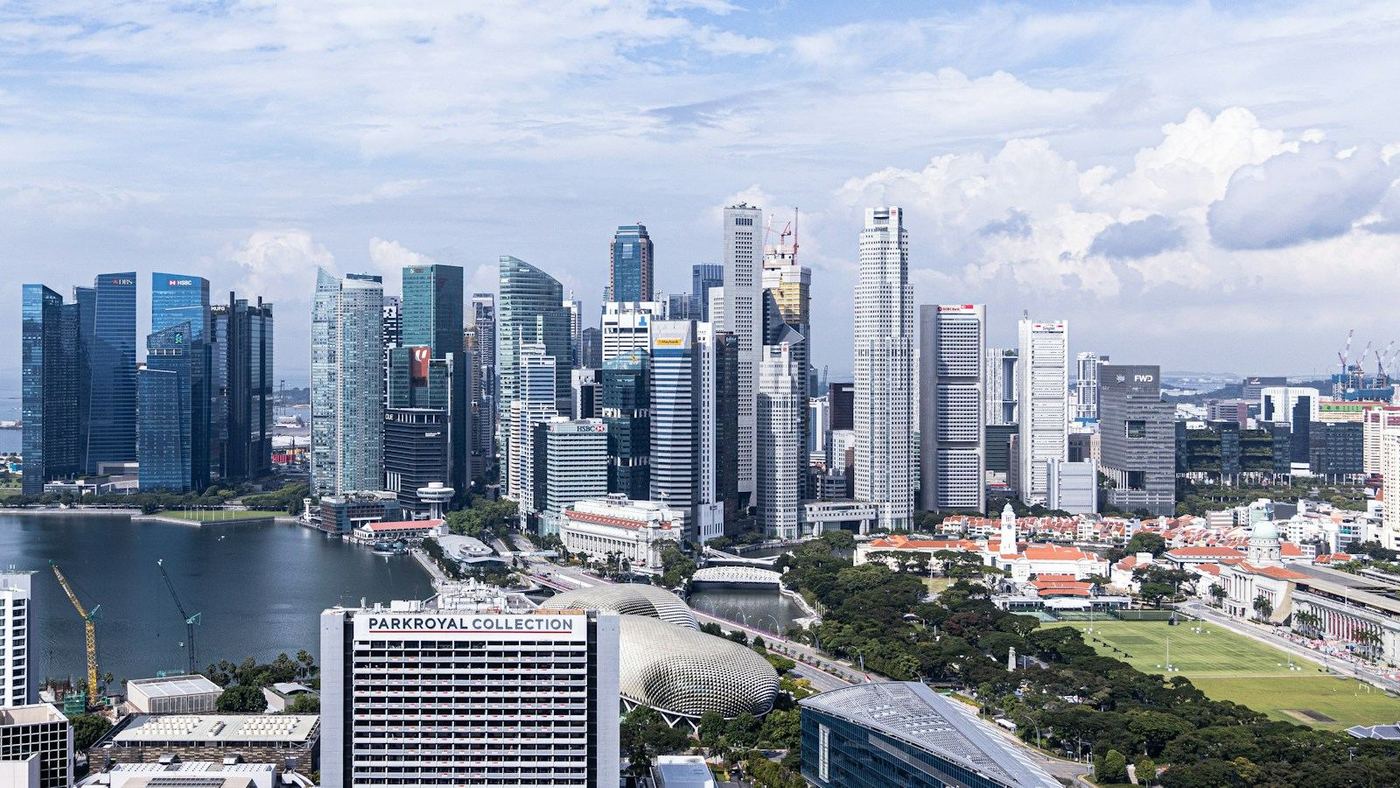
Two Decades of Singapore REITs
Singapore's real estate investment trust (REIT) sector is approaching its 25th anniversary in 2027, having established itself as a significant component of the local bourse. After an initial attempt at listing failed in 2001, the first REIT successfully debuted in 2002.
Since then, the sector has expanded considerably, with eight REITs now included in the 30-strong benchmark Straits Times Index (STI). This growth has been supported by successful capital raisings, allowing various trusts to increase their scale over time.
However, the sector's continued trajectory is now being examined in light of rising interest rates and the existing framework for manager compensation, as reported by Leslie Yee in The Business Times Singapore on 28 September 2026.
Managing Higher Borrowing Costs
A primary concern for Singaporean REITs is the environment of elevated interest rates. While the sector has historically navigated varying economic conditions, the current rate levels introduce pressure on borrowing costs and debt servicing capabilities.
The capacity of these trusts to manage higher interest expenses is a key factor for their operational stability and investor returns.
The analysis published by Leslie Yee in The Business Times Singapore on 28 September 2026 suggests that while these higher rates are considered manageable, they remain a critical element for the sector to address in its financial planning and capital structure decisions.
Scrutiny on Management Fees
Beyond interest rates, the structure of manager compensation within the REIT sector is drawing attention. A specific point of concern is the substantial management fees earned by sponsors, which can mitigate their financial discomfort even when the trusts themselves underperform.
This arrangement raises questions about the alignment of interests between REIT managers and their investors.
For the sector to sustain its growth, Leslie Yee highlighted in The Business Times Singapore on 28 September 2026 that a strong congruence between manager and investor objectives will be crucial, ensuring that incentives are structured to prioritise long-term performance for all stakeholders.
Sector's Path to Continued Expansion
For investors and decision-makers in Singapore's REIT sector, the ongoing assessment of interest rate resilience and management fee structures will define the path to future expansion.
The sector's ability to maintain its growth trajectory, particularly as it marks a quarter-century of operation, will depend on transparent and equitable compensation models that truly align with investor outcomes. Any adjustments in these areas could influence capital flows and investor confidence in Singaporean REITs.
Policymakers and industry participants may consider these factors in ensuring the sector's long-term health and attractiveness, potentially through ongoing reviews of governance standards.
This analysis is journalism, not investment advice; consult a licensed professional before making financial decisions.
Pieces are credited to the desk that commissioned and edited them. Our editorial standards, and the desks behind them, are set out on the Editorial Standards and Team pages.
Further reading
- Briefings · Markets
How do loose financial conditions affect gold's safe-haven role?
New research from BIS Working Papers, published 06 October 2026, indicates that gold prices experience their most significant gains from geopolitical risk when financial conditions are accommodative, a trend observed from 2024 to 2026.
Continue reading → - Briefings · Industry
How prevalent are AI-to-AI investment deals globally?
Between 2021 and 2025, over half of all capital flowing into artificial intelligence firms originated from within the sector, according to analysis from the BIS published on 01 October 2026.
Continue reading → - Briefings · Industry
Does East Asia's AI export growth translate to broad economic benefit?
While East Asian countries recorded US$1.4 trillion in AI-related exports in the year to April, the World Bank suggests these gains may not create widespread employment or capture significant value for regional economies.
Continue reading →