
Singapore Q2 layoffs hit 5-year high of 4,500 amid economic restructuring
Singapore recorded 4,500 retrenchments between April and June, marking the highest quarterly figure in over five years, primarily driven by restructuring efforts within specific outward-oriented industries. Despite this increase, official data from the Ministry of Manpower shows the broader labour market maintains stability, with overall employment expanding and unemployment rates remaining low, indicating a nuanced economic adjustment rather than a widespread downturn.
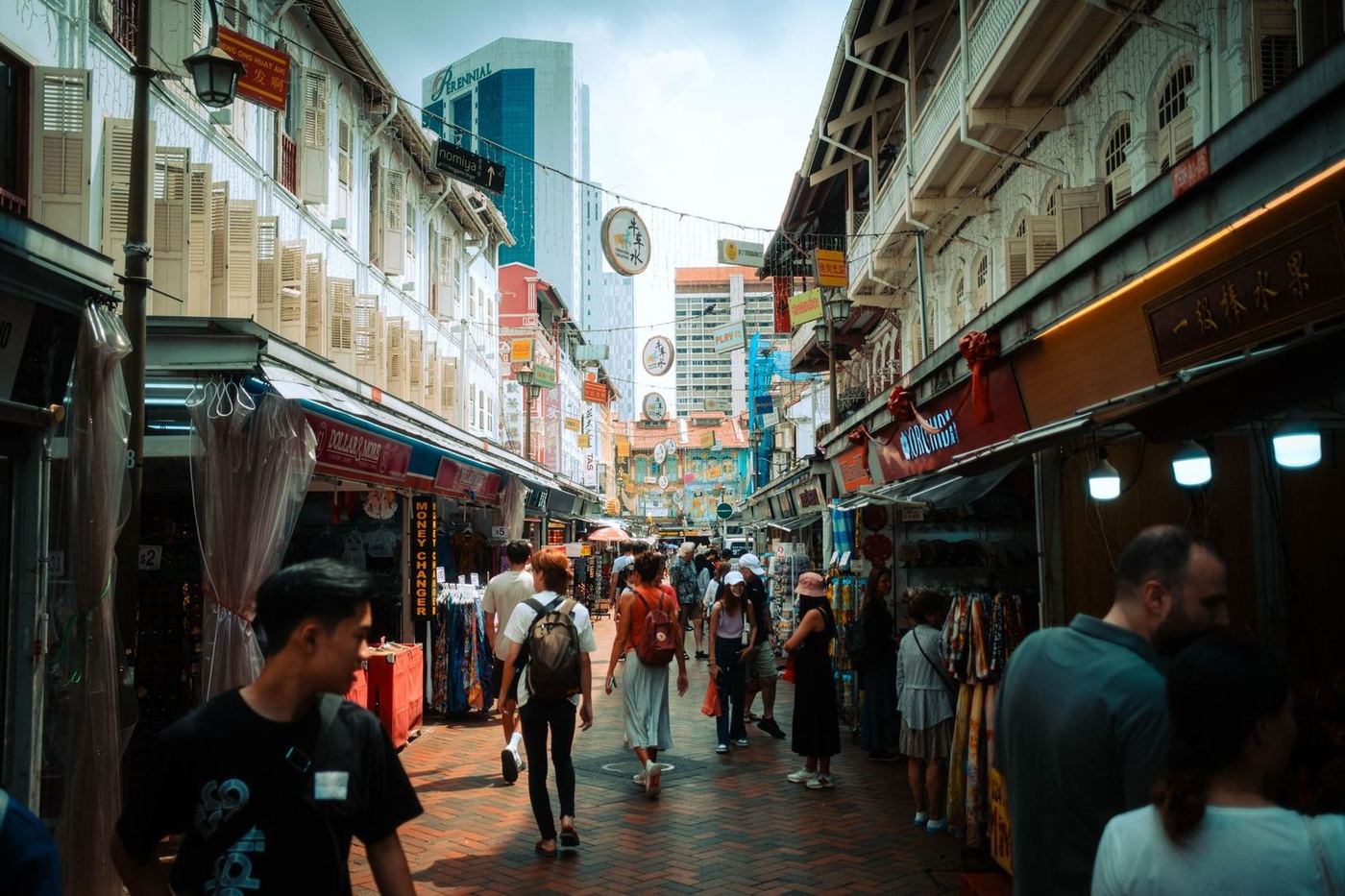
Layoffs Reach Five-Year High in Q2
The Ministry of Manpower (MOM) reported that 4,500 workers in Singapore were retrenched during the second quarter of the year, spanning April to June. This figure represents a 17% increase from the preceding quarter and constitutes the highest quarterly total observed in more than five years, specifically since the 5,640 layoffs recorded in the final quarter of 2020.
However, the MOM also contextualised these numbers, noting that the Q2 2024 retrenchment count remains below the levels seen during significant past economic disruptions. For instance, the Global Financial Crisis of 2009 saw quarterly layoffs ranging from 5,980 to 12,760, while the initial phase of the Covid-19 pandemic recorded figures between 5,640 and 9,120.
This comparison demonstrates that while the recent increase is notable, it does not parallel the scale of job losses during those severe economic downturns. These preliminary data points were released by the Ministry of Manpower late last week, as reported by VnExpress International Business.
Outward-Oriented Sectors Drive Adjustments
The concentration of retrenchments in the second quarter was particularly evident in outward-oriented sectors, specifically information and communications, and manufacturing. The Ministry of Manpower attributed the majority of these job losses to business restructuring initiatives.
Foo See Yang, Managing Director and Strategic Business Group Head at human resource solutions firm Persol Asia-Pacific, commented on the particular susceptibility of these sectors. He stated that industries reliant on external demand are vulnerable to shifts in global economic conditions, geopolitical tensions, and changes in trade policy.
This assessment suggests that the recent adjustments are not indicative of a domestic economic contraction, but rather a response by businesses operating in internationally exposed segments to evolving global market dynamics.
Companies within these sectors are adapting their operational structures to navigate altered demand patterns and supply chain configurations, leading to targeted workforce adjustments.
Broader Labour Market Maintains Stability
Despite the specific increases in retrenchments, the Ministry of Manpower maintains that Singapore's broader labour market demonstrates resilience. Official data shows overall employment expanded by 10,700 during the quarter, and the national unemployment rate remained stable at 2%. Furthermore, labour market expectations among businesses showed improvement in June.
The proportion of firms anticipating an increase in staff over the subsequent three months rose to 43.9%, up from 40.6% in May. Similarly, the percentage of companies expecting to implement wage increases climbed to 29.3%, from 23.7% in the previous month. Concurrently, the proportion of businesses planning to reduce staff declined to 2.7%, from 3.2%.
These shifts in business sentiment indicate sustained labour demand across the economy, offsetting the specific adjustments in outward-facing industries.
Implications for Decision-Makers
The mixed signals from Singapore's second-quarter labour market data present a nuanced picture for decision-makers.
While the increase in retrenchments to a five-year high in outward-oriented sectors like information and communications and manufacturing reflects ongoing business restructuring and vulnerability to global economic shifts, the overall labour market demonstrates underlying resilience.
The Ministry of Manpower's data showing a net employment increase of 10,700 and a stable 2% unemployment rate, alongside improving business expectations for hiring and wages, suggests that the economy is absorbing sectoral adjustments without a broader downturn.
However, the caveat that labour market expectations remain below pre-energy shock levels implies a cautious approach by businesses to expansion and compensation decisions in the near term. For investors and businesses operating in or with Singapore, this reveals a period of selective opportunity rather than uniform growth.
Specific attention should be paid to the performance of domestically focused sectors and the continued adaptation of export-oriented industries. Future data releases on employment and business sentiment, particularly in relation to global trade volumes and energy prices, will be critical in assessing the durability of this measured economic trajectory.
This analysis is journalism, not investment advice; consult a licensed professional before making financial decisions.
Pieces are credited to the desk that commissioned and edited them. Our editorial standards, and the desks behind them, are set out on the Editorial Standards and Team pages.
Further reading
- Briefings · Markets
SoftBank Group shares drop 11% after OpenAI delays IPO
The Tokyo-listed investment firm saw its stock decline significantly earlier this week, following an announcement from OpenAI that it would delay its initial public offering and advocate for slower AI development.
Continue reading → - Briefings · Policy
Will South Korea's Corporate Tax Rate Be Reduced?
Finance Minister nominee Lee Hyoung-il confirmed on Sunday that the 25% corporate tax rate, reinstated this year, will not be lowered, influencing business investment forecasts for the coming fiscal periods.
Continue reading → - Briefings · Policy
RBI proposes freezing accounts for cyber fraud
India's central bank seeks public input on proposed amendments to its Know Your Customer directions, aiming to formalise how banks can temporarily freeze accounts linked to cyber fraud by October 2, 2026.
Continue reading →