
RBI's ₹2,00,000 crore VRRR auction to absorb surplus funds
The Reserve Bank of India will conduct a Variable Rate Reverse Repo auction on 8 October 2026, aiming to absorb surplus funds from the banking system.
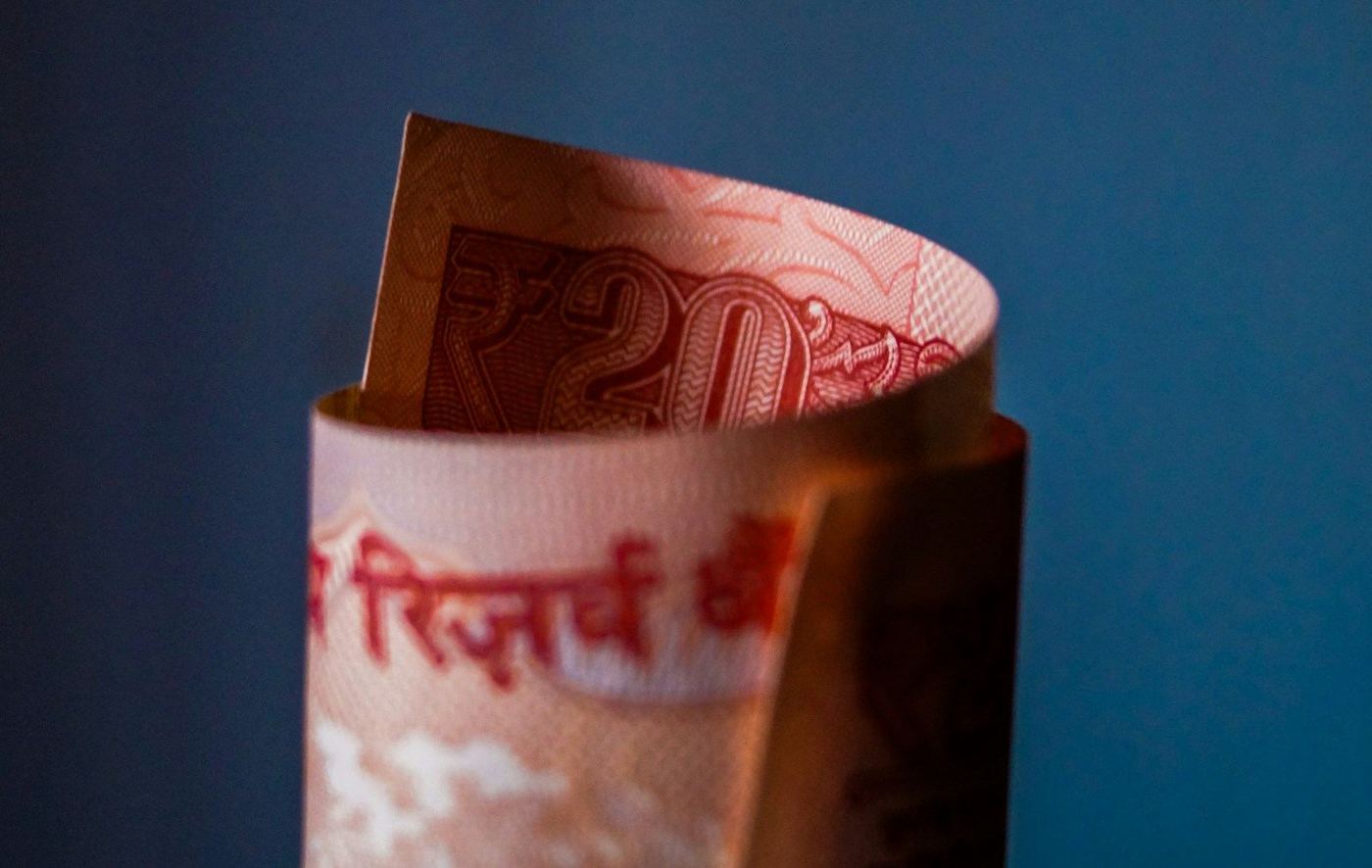
RBI's Liquidity Management Initiative
The Reserve Bank of India (RBI) is scheduled to conduct a Variable Rate Reverse Repo (VRRR) auction on Thursday, 8 October 2026. This operation aims to draw out excess liquidity from the financial system, a measure outlined in a press release from the central bank.
The VRRR mechanism allows the RBI to temporarily absorb funds from commercial banks, thereby influencing short-term interest rates and managing overall money supply. This action reflects the central bank's ongoing efforts to maintain stable monetary conditions and ensure orderly functioning within the financial markets.
The decision follows a review of the prevailing liquidity situation, indicating a need to neutralise surplus funds that could otherwise impact inflation or market stability.
Scale and Mechanism of the Auction
The upcoming VRRR auction is set at a substantial size, seeking to absorb ₹2,00,000 crore from the system. This significant volume underscores the RBI's assessment of current liquidity levels within the Indian financial sector. The operational guidelines for this auction will adhere to those previously issued by the Reserve Bank in a press release dated 13 February 2020.
These guidelines define the terms and procedures for participation, ensuring transparency and consistency in the central bank's market operations. The Variable Rate Reverse Repo is a key tool in the RBI's liquidity management framework, allowing for flexibility in responding to evolving financial conditions by adjusting the rate and tenor of the funds absorbed.
Premature Reversal Options for Participants
Participants in the VRRR auction will have the flexibility to request a premature reversal of the funds lent to the RBI. This option allows banks to retrieve their principal and accrued interest before the original maturity date of the reverse repo agreement.
Requests for such reversals must be submitted through the E-Kuber portal between 09:00 and 17:00 hours on working days in Mumbai. Additionally, an email notification must be sent to the Financial Markets Operations Department. The RBI permits partial reversals of bids, providing further operational flexibility to institutions.
Settlement for a premature reversal will occur at the start of the next working day following the request, with the participant's current account being credited and the securities offered as collateral by the RBI debited from their reverse repo constituent SGL account. Requests for premature reversal must be placed at least two working days prior to the original reversal date.
Implications for India's Financial Markets
This ₹2,00,000 crore VRRR auction signals the Reserve Bank of India's proactive stance on liquidity management, directly affecting short-term money market rates and bank funding costs. For financial institutions, the auction provides an avenue to deploy surplus funds, albeit at a variable rate determined by market demand.
The availability of a premature reversal option offers banks a degree of flexibility, allowing them to manage their own liquidity positions more dynamically in response to unforeseen needs. Decision-makers in India's banking sector will need to consider the auction's impact on their balance sheets and lending rates.
The outcome of this operation on 8 October 2026 will be a key indicator for the RBI's near-term outlook on systemic liquidity, influencing interbank borrowing costs and potentially the transmission of monetary policy.
This analysis is journalism, not investment advice; consult a licensed professional before making financial decisions.
Pieces are credited to the desk that commissioned and edited them. Our editorial standards, and the desks behind them, are set out on the Editorial Standards and Team pages.
Further reading
- Briefings · Markets
How do loose financial conditions affect gold's safe-haven role?
New research from BIS Working Papers, published 06 October 2026, indicates that gold prices experience their most significant gains from geopolitical risk when financial conditions are accommodative, a trend observed from 2024 to 2026.
Continue reading → - Briefings · Industry
How prevalent are AI-to-AI investment deals globally?
Between 2021 and 2025, over half of all capital flowing into artificial intelligence firms originated from within the sector, according to analysis from the BIS published on 01 October 2026.
Continue reading → - Briefings · Industry
Does East Asia's AI export growth translate to broad economic benefit?
While East Asian countries recorded US$1.4 trillion in AI-related exports in the year to April, the World Bank suggests these gains may not create widespread employment or capture significant value for regional economies.
Continue reading →