
Loke Confirms Malaysia's Major Projects Will Proceed Despite Exit
Malaysian Transport Minister Anthony Loke confirmed that significant infrastructure initiatives, including the East Coast Rail Link and the Johor Bahru–Singapore Rapid Transit System, will proceed despite his forthcoming cabinet resignation.
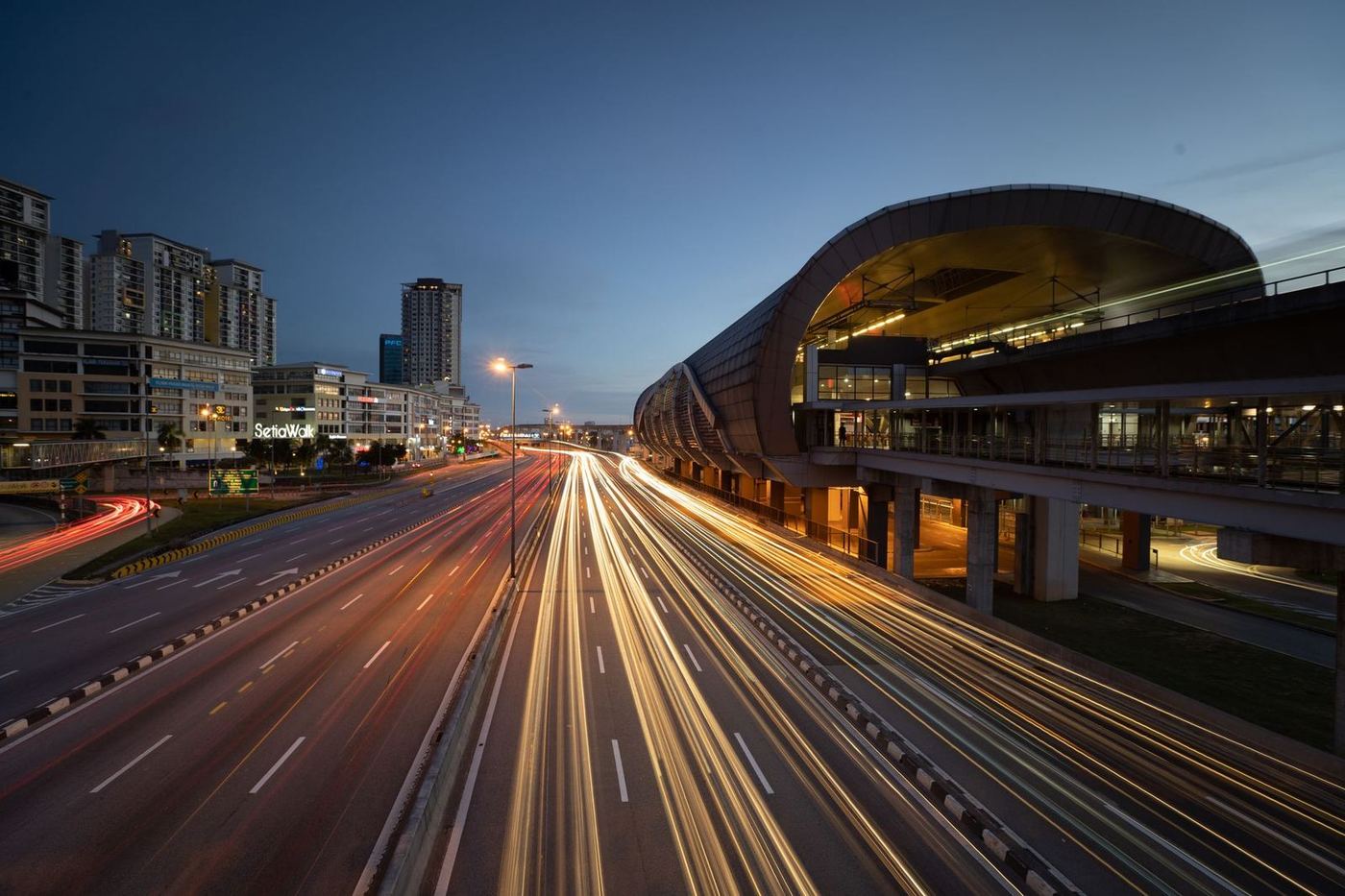
Minister Assures Project Continuity
Malaysian Transport Minister Anthony Loke has provided a definitive assurance that key national infrastructure projects are guaranteed to continue as planned, despite his impending departure from the cabinet.
Speaking from Kuala Lumpur, Loke explicitly confirmed the uninterrupted progression of significant developments, including the China-backed East Coast Rail Link (ECRL) and the Malaysia-Singapore Rapid Transit System (RTS Link).
These initiatives are considered foundational for enhancing regional connectivity, fostering economic growth across Southeast Asia, and attracting foreign investment into Malaysia.
The minister's statement aims to mitigate any potential uncertainty among both domestic and international investors and stakeholders regarding the stability of these long-term commitments, even as he prepares to step down from his ministerial role. He indicated that his resignation is linked to the commencement of former Prime Minister Najib Razak's house arrest.
Key Projects Under Review
The East Coast Rail Link (ECRL) represents a substantial railway initiative spanning 665 kilometres, designed to connect Malaysia's west coast to its eastern counterpart. This project aims to significantly streamline freight and passenger movement across the Malay Peninsula, reducing travel times and logistics costs.
With considerable financial backing from China, the ECRL is a cornerstone of Malaysia's national infrastructure strategy and aligns with broader regional connectivity goals under the Belt and Road Initiative. Concurrently, the Johor Bahru–Singapore Rapid Transit System (RTS Link) is under development to improve cross-border travel efficiency.
This 4-kilometre rail shuttle is expected to alleviate severe traffic congestion on the Johor-Singapore Causeway, facilitating stronger economic integration and labour mobility between the two countries. Both initiatives are viewed as critical for Malaysia's long-term economic trajectory and its role in the regional trade network.
“Locked-in” Commitments
Minister Loke characterised the status of these ventures as “locked in,” signifying that their advancement is secured through existing, binding agreements and established implementation frameworks.
This implies that both the ECRL and the RTS Link have progressed substantially beyond preliminary planning, reaching a stage where changes in individual ministerial leadership are unlikely to cause significant disruption.
The minister underscored that the continuity of these projects is a direct result of their robust institutionalisation, backed by firmly established contracts, dedicated funding channels, and comprehensive project management structures that are already operational.
Loke's statements convey that the inherent momentum and legal commitments supporting these large-scale initiatives render them resilient to political transitions, thereby assuring their execution irrespective of the specific occupant of the Transport Minister position. This institutional strength is crucial for long-term project viability.
Implications for Investors and Regional Connectivity
The definitive assurance from Minister Loke provides essential clarity for domestic and international investors currently involved in or considering Malaysia's infrastructure sector.
Predictability and stability in major project commitments are critical factors for attracting and retaining foreign direct investment, particularly for large-scale, long-term ventures that require significant capital outlay.
The continued progression of the ECRL will reinforce Malaysia's strategic position within China's Belt and Road Initiative, potentially driving further investment, trade flows, and economic activity along the new railway corridor.
For the RTS Link, its guaranteed progress is vital for the economic integration of Johor Bahru and Singapore, directly benefiting businesses and commuters reliant on efficient cross-border movement. This sustained commitment to infrastructure development signals a predictable policy environment, which is crucial for business planning and investment decisions across the region.
This analysis is journalism, not investment advice; consult a licensed professional before making financial decisions.
Pieces are credited to the desk that commissioned and edited them. Our editorial standards, and the desks behind them, are set out on the Editorial Standards and Team pages.
Further reading
- Briefings · Markets
What do the Bank of Japan's October accounts show about its balance sheet?
The Bank of Japan's total assets reached 626.19 trillion yen by the end of October 2026, primarily driven by holdings of government securities and pecuniary trusts.
Continue reading → - Briefings · Markets
Can Singaporean REITs provide stability amidst market volatility?
Despite attractive high yields and rising rents, analysts suggest Singaporean real estate investment trusts face potential impact from bond yield concerns, similar to those affecting the banking sector.
Continue reading → - Briefings · Companies
What does PGBank's B1 rating reveal for its market position?
PGBank, a Vietnamese lender, has received a B1 long-term deposit rating from Moody's Ratings with a stable outlook, signalling its financial strength and growth potential in the retail banking sector.
Continue reading →