
ADB backs Madhya Pradesh's $1bn clean energy push
Madhya Pradesh aims to attract up to $1 billion in private investment for renewable energy projects through a new advisory agreement with the Asian Development Bank, leveraging public-private partnerships to meet its expanding electricity needs and 2030 clean energy targets.
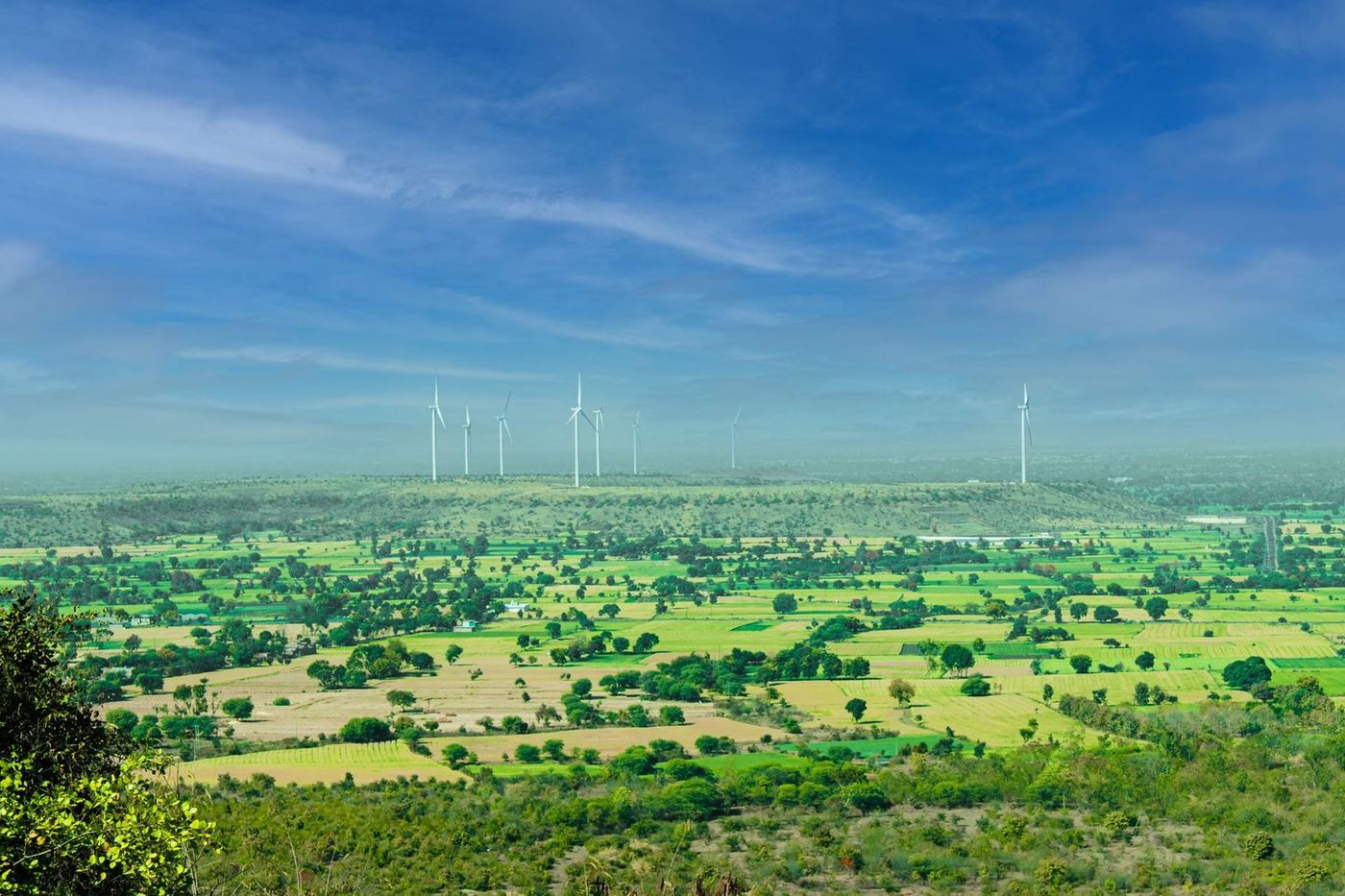
Catalysing Private Capital for Renewable Energy
The Indian state of Madhya Pradesh is embarking on a strategy to secure significant private capital for its clean energy transition, formalised through an agreement with the Asian Development Bank (ADB). On 7 September 2026, the ADB signed its initial transaction advisory services (TAS) agreement in India with the Government of Madhya Pradesh in Bhopal.
This initiative is designed to support the development of three distinct renewable energy projects within the state. The primary objective is to attract as much as $1 billion in private investment, a sum deemed essential to augment Madhya Pradesh’s clean energy capacity and enhance its energy storage capabilities.
This collaboration underscores a strategic shift towards engaging private sector resources to address the growing electricity demand and achieve long-term sustainability goals.
Leveraging Public-Private Partnerships for Infrastructure
Under the terms of the agreement, the ADB will function as a transaction advisor, guiding the structuring and execution of projects developed through public-private partnerships (PPPs). This advisory role is critical for ensuring that projects are financially viable and attractive to private investors.
A key component of this plan involves the development of a solar power generation and battery energy storage facility situated in Shajapur. This specific project is engineered to address the state’s peak electricity demand and contribute to greater grid stability.
Mio Oka, ADB Country Director for India, stated that public resources alone are insufficient to meet India's expanding energy requirements, emphasising the need to make markets investable for private capital.
Meeting Madhya Pradesh's Renewable Energy Policy Targets
The projects supported by the ADB align directly with Madhya Pradesh’s Renewable Energy Policy 2025. This policy outlines a clear objective: to expand the state’s renewable energy and storage capacity to ensure that renewable sources can provide 50% of its electricity demand by 2030.
The integration of battery energy storage, as planned for the Shajapur facility, is particularly relevant for grid stability, as it allows for improved power reliability during periods when solar generation is not available.
The ADB's involvement, drawing on its experience with renewable energy PPP projects across Asia and the Pacific, aims to bring international best practices in project preparation, structuring, and procurement to Madhya Pradesh.
Implications for Private Investment and Replicable Models
The successful implementation of these projects in Madhya Pradesh carries implications for private capital deployment in India's energy sector. By structuring bankable PPP projects, the ADB seeks to demonstrate effective models for clean energy infrastructure that can be scaled across the state and potentially replicated in other Indian states.
The target of attracting $1 billion in private investment, if achieved, would reveal the efficacy of this transaction advisory approach in mobilising non-public funds for critical infrastructure.
For investors and decision-makers in Asia, observing the progress of these projects, particularly the capitalisation rates and operational metrics by late 2028, will be crucial for assessing the viability of similar PPP frameworks in other emerging markets with significant clean energy ambitions.
This analysis is journalism, not investment advice; consult a licensed professional before making financial decisions.
Pieces are credited to the desk that commissioned and edited them. Our editorial standards, and the desks behind them, are set out on the Editorial Standards and Team pages.
Further reading
- Briefings · Industry
How will Japan's fiscal 2031 quantum sensor drone plan reshape undersea surveillance?
Japan's defence budget request, released in late August, outlines a plan to deploy drone-mounted quantum magnetic sensors by fiscal 2031. This initiative seeks to improve maritime detection efficiency and reduce operational costs.
Continue reading → - Briefings · Markets
How do US$100 oil and 5% US yields divide ASEAN currencies?
Analysts observe a significant split in regional currency performance, with some benefiting from trade surpluses and capital inflows while others face import cost pressures.
Continue reading → - Briefings · Markets
How will RBI's September 16 reverse repo affect India's liquidity?
The Reserve Bank of India will conduct an overnight variable rate reverse repo operation on September 16, 2026, aiming to absorb surplus funds from the banking system.
Continue reading →