
Macrogen launches Roche Axelios 1, expands genomics capacity
South Korean genomics firm Macrogen commenced operations of Roche's Axelios 1 sequencing platform on 14 October 2026, aiming to accelerate genetic analysis and expand its capability for large-scale studies at its Incheon facility.
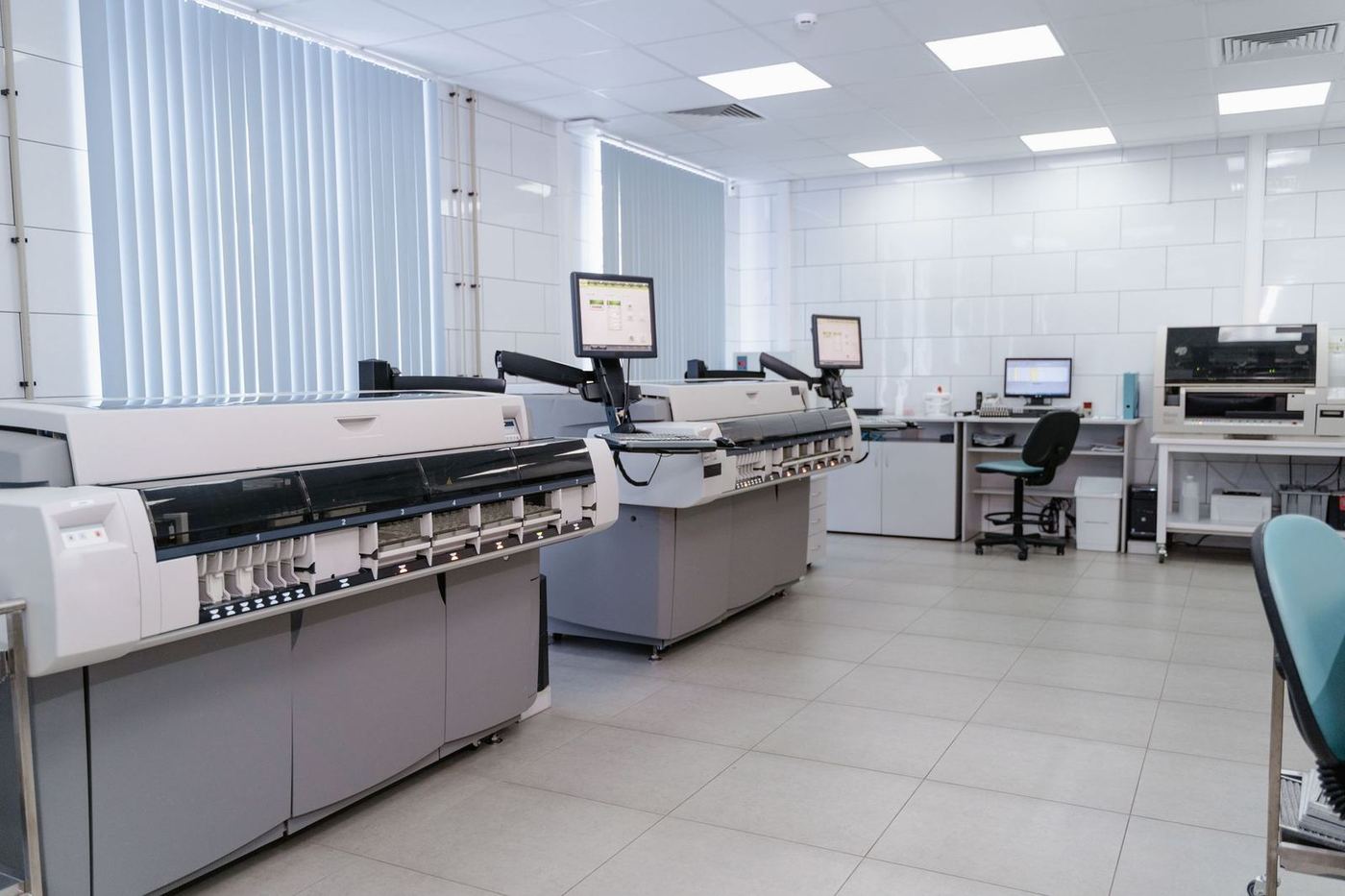
Macrogen implements Axelios 1 system
South Korean genomics company Macrogen initiated operations of Roche's Axelios 1 next-generation genome sequencing platform at its Songdo Global Genome Center in Incheon on 14 October 2026. Macrogen stated that the primary objective of this deployment is to enhance the speed of genetic analysis and significantly expand its capacity for conducting extensive research.
The company is among the initial global adopters of this system, which was developed by the Swiss healthcare enterprise, Roche. The platform became operational following an initial testing phase, marking a strategic move to strengthen Macrogen's whole-genome sequencing capabilities and enable the processing of larger volumes of genetic data with faster result delivery.
Technology and data throughput enhancements
The Axelios 1 platform incorporates Roche's Sequencing by Expansion technology. This method converts DNA sequence information into structures known as Xpandomers, which can be up to 50 times longer than the original DNA strands.
According to Roche, this technology facilitates high-accuracy sequencing and provides greater data throughput, with the flexibility of adjustable read lengths to suit diverse research applications. Macrogen intends to integrate this new platform with its existing automation and artificial intelligence-based analysis systems.
This integration is designed to reduce processing bottlenecks and shorten the overall timeline from initial sequencing to the final delivery of research results.
Expanding research scope and market positioning
Macrogen anticipates that the increased capacity provided by the Axelios 1 platform will support population-scale genomic studies. These studies are expected to involve thousands or tens of thousands of participants, alongside other research demands requiring rapid analytical processing.
Macrogen Chair Seo Jeong-sun indicated that by combining faster analysis with the company’s accumulated genomic data, automation, and AI agent capabilities, researchers will be able to shorten their project timelines. Seo Jeong-sun also added that this investment is intended to solidify Macrogen’s standing within the global market for large-scale genomic research services.
Implications for Asian genomics development
Macrogen's adoption of the Axelios 1 platform on 14 October 2026 signals a potential increase in the speed and scale of genomic research available to companies and institutions in Asia.
This investment by a major South Korean firm could drive competition in the regional genomics sector, particularly for services requiring rapid whole-genome sequencing and the analysis of large patient cohorts.
Decision-makers in pharmaceutical development, biotechnology, and public health initiatives may find enhanced capabilities for drug discovery, precision medicine, and disease surveillance through such advanced platforms, potentially reducing research cycle times, a stated aim of Macrogen's Chair Seo Jeong-sun.
The next development to observe will be the specific output metrics and research collaborations announced by Macrogen in its Q4 2026 reports.
This analysis is journalism, not investment advice; consult a licensed professional before making financial decisions.
Pieces are credited to the desk that commissioned and edited them. Our editorial standards, and the desks behind them, are set out on the Editorial Standards and Team pages.
Further reading
- Briefings · Markets
How do offshore NDFs transmit exchange rate pressure to Asia's markets?
A new BIS study reveals that a US$1 billion increase in offshore dollar demand can depreciate domestic spot rates by 10 basis points in minutes, widening offshore-onshore spreads.
Continue reading → - Briefings · Policy
How will MDBs deliver more financing for developing economies?
Heads of multilateral development banks met in Manila on 17 October 2026, affirming joint action to address challenges like economic uncertainty and high debt for developing nations.
Continue reading → - Briefings · Industry
How does RRP Electronics' new facility expand India's semiconductor packaging capabilities?
RRP Electronics inaugurated an Advanced Wafer-Level Packaging facility in Navi Mumbai on October 12, 2026, adding production for SIM and eSIM modules to its outsourced semiconductor assembly and test operations.
Continue reading →