
Humo Bank sets biometric ID deadline for Russian clients
Tajikistan's Humo Bank now requires in-person biometric identification for Russian clients by 30 September, leading to account closures or transfers to ruble cards. This follows Western pressure on regional financial institutions.
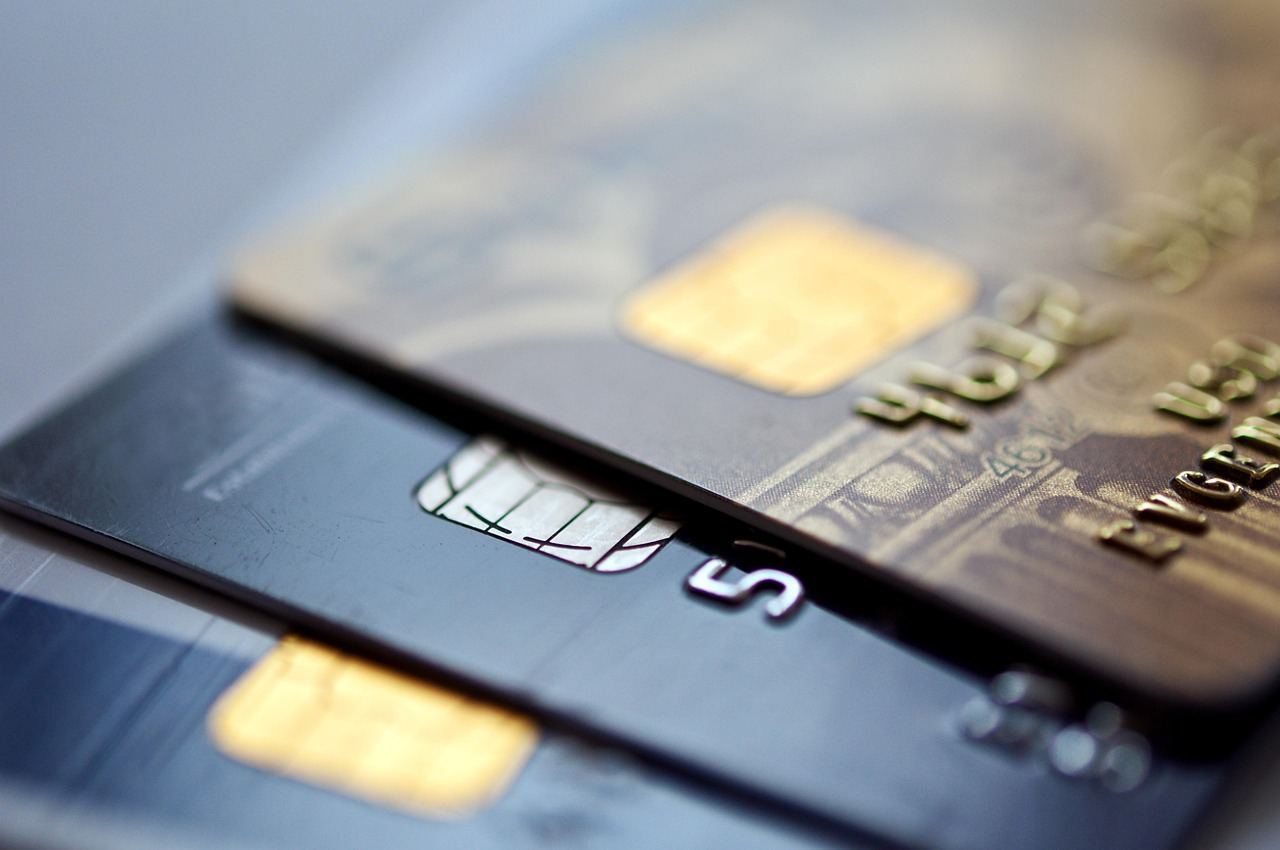
Humo Bank's Identification Mandate
Humo Bank, a financial institution based in Tajikistan, implemented a new policy requiring its Russian clients to complete in-person biometric identification at one of its offices by 30 September. Clients unable to comply with this deadline were advised to transfer their remaining balances to ruble-denominated cards, or their accounts would be closed from 1 October.
This measure directly impacts Russian cardholders who have relied on cards issued in certain Central Asian countries for international payments, particularly since Visa and Mastercard ceased operations in Russia in 2022.
Humo Bank, which is owned by the Japanese investment holding Gojo & Company and received a full banking licence from the National Bank of Tajikistan in July 2025, had previously offered remotely issued five-year cards in U.S. dollars and euros.
Impact on Russian Cross-Border Payments
This policy adjustment at Humo Bank mirrors previous shifts in other Central Asian nations. Kazakhstan, for example, imposed restrictions in January 2025, limiting non-resident cards to a 12-month validity and mandating in-person issuance. These earlier restrictions prompted financial intermediaries to shift their operations to Tajikistan, Kyrgyzstan, and Uzbekistan.
Humo Bank, alongside the International Bank of Tajikistan, had become a significant channel, offering cards sold through intermediaries.
An investigation by The Bell in 2025 revealed that Humo Bank's access to Visa Direct, a real-time payment service, facilitated the transfer of funds from Sberbank clients to European accounts, with transactions appearing to originate from Dushanbe or Tashkent.
The new identification requirement effectively closes one such alternative payment channel for Russian cardholders seeking international transactions.
Context of Western Sanctions and Compliance
Humo Bank's decision follows a period of heightened Western scrutiny on Tajik banks. In October 2025, the European Union included Dushanbe City Bank, Spitamen, and Commercebank of Tajikistan in its 19th sanctions package.
These sanctions targeted banks deemed closely linked to Russia's financial system or involved in processing cross-border payments supporting the Russian economy. The three sanctioned banks collectively held approximately 20% of Tajikistan's total deposits. Following this, other Tajik banks began restricting transfers to Russia.
The EU later removed these three banks from its sanctions list in April 2026, a move the National Bank of Tajikistan attributed to improved compliance and adherence to anti-money laundering standards.
Separately, in December 2025, Revolut stopped accepting top-ups from cards issued in Tajikistan, Kazakhstan, and Uzbekistan for EU residents, citing a classification of these countries as high-risk by payment systems.
Tajikistan's Financial Balancing Act
Tajikistan navigates a complex financial landscape, balancing the need to maintain crucial financial ties with Russia against the imperative to keep its banks connected to international systems like SWIFT and Visa. Remittances, primarily from Tajik migrants working in Russia, reached $5.8 billion in 2024, constituting 45.3% of Tajikistan’s GDP, the highest proportion globally.
Furthermore, by the end of 2024, over 90% of payments in Tajik-Russian trade were settled in rubles, with the head of the National Bank confirming that Tajik banks only work with Russian banks not under sanctions.
Neither Humo Bank nor the National Bank of Tajikistan has publicly disclosed whether the new policy was a regulatory directive, a requirement from payment systems, or an internal risk assessment.
However, a relatively new institution like Humo, having observed three of its peers face EU sanctions, has commercial incentives to proactively manage risks associated with remotely onboarded Russian clients.
Implications for Regional Financial Flows
The tightening of card issuance policies in Tajikistan indicates that Russian cardholders will likely seek alternative banking services in other Central Asian countries, such as Kyrgyzstan and Uzbekistan. This mirrors the pattern observed when Kazakhstan introduced similar restrictions in January 2025, leading to a shift in business to Tajikistan.
This trend suggests a continuing re-routing of payment flows across the region, driven by evolving compliance requirements and the ongoing effects of Western sanctions. Decision-makers in regional financial institutions should observe the compliance measures adopted by banks in Kyrgyzstan and Uzbekistan, as similar pressures could lead to further policy changes in those markets.
The next point of analysis would be any official statements or data prints from the National Banks of Kyrgyzstan or Uzbekistan regarding non-resident accounts or cross-border transaction volumes in Q4 2026.
This analysis is journalism, not investment advice; consult a licensed professional before making financial decisions.
Pieces are credited to the desk that commissioned and edited them. Our editorial standards, and the desks behind them, are set out on the Editorial Standards and Team pages.
Further reading
- Briefings · Markets
How does Vietnam's 9.95% Q3 growth affect its 2026 target?
Vietnam's economy expanded by 9.95% in the third quarter of 2026, marking its quickest pace in four years, yet it requires a significant acceleration in Q4 to meet its annual goal.
Continue reading → - Briefings · Policy
Will Hong Kong's Five-Year Tax Relief Attract Major Innovation Firms?
Hong Kong lawmakers expressed reservations about the government's plan to offer 5% or 8.25% profits tax for up to five years to innovative companies, arguing the period is too short to draw new headquarters.
Continue reading → - Briefings
Will AI-driven automation constrain economic growth?
A new working paper from the Bank for International Settlements suggests widespread AI adoption could paradoxically slow long-term economic expansion by shrinking consumer markets.
Continue reading →