
How is China Cosco Shipping strengthening supply chain resilience?
China Cosco Shipping Holdings is implementing an emergency response system and introducing new trade routes to mitigate disruptions from geopolitical tensions, infrastructure constraints, and climate events, Chairman Wan Min stated on 20 October 2026.
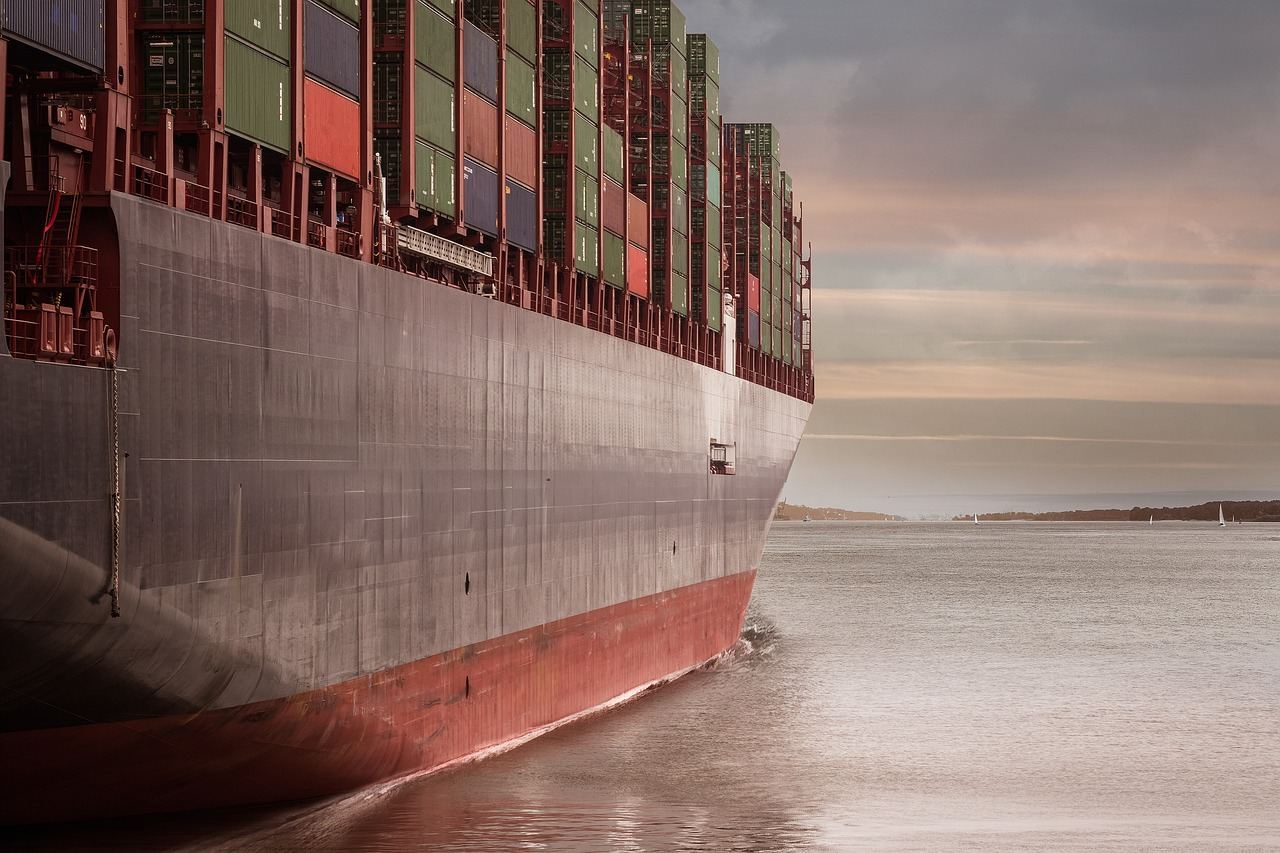
China Cosco Shipping's Resilience Strategy
China Cosco Shipping Holdings, a prominent Chinese ocean carrier, has initiated a strategy focused on enhancing supply chain resilience. This move is a direct response to increasing geopolitical conflicts and the rising frequency of extreme weather events, which pose significant challenges to global logistics.
Chairman Wan Min outlined the company's approach during the North Bund Summit in Shanghai on 20 October 2026, emphasising that effective resilience extends beyond reliance on single routes. The company aims to ensure its shipping networks can withstand a variety of potential shocks, maintaining operational continuity and stability for its clients.
This strategic pivot reflects a broader industry recognition of the need for adaptable logistics in an unpredictable global environment.
New Routes and Emergency Protocols
Central to China Cosco Shipping's resilience plan is the introduction of fresh shipping capacity and the establishment of new trade routes. These additions are designed to diversify the company's operational footprint, offering alternative pathways for cargo movement if established routes become compromised.
Alongside route diversification, the company is rolling out an emergency response system. This system is intended to provide a structured framework for managing unexpected disruptions, from port closures to sudden shifts in demand or supply.
By combining expanded physical infrastructure with a robust contingency plan, China Cosco Shipping seeks to minimise transit delays and cost increases for its customers, thereby safeguarding the integrity of international supply chains.
Addressing Key Disruptors
The company's strategy directly addresses three primary categories of disruption: geopolitical conflicts, infrastructure bottlenecks, and climate-related events. Geopolitical tensions, such as those that can lead to shipping lane restrictions or heightened security risks, necessitate flexible routing options.
Infrastructure bottlenecks, including port congestion or capacity limitations, require alternative hubs and expanded vessel availability. Furthermore, the increasing incidence of extreme weather, from typhoons to droughts affecting waterways, demands operational agility and the ability to reroute or reschedule shipments quickly.
China Cosco Shipping’s integrated approach aims to build systemic robustness against these varied and complex challenges, as articulated by Chairman Wan Min.
Implications for Asia's Trade Networks
For decision-makers in Asia's trade and logistics sectors, China Cosco Shipping's proactive measures signal a shift towards more diversified and secure supply chain management.
The introduction of new routes and an emergency response system by a major carrier could mitigate the risk of severe disruptions, potentially stabilising shipping costs and delivery times across key Asian trade corridors. Businesses reliant on international trade may see reduced exposure to single points of failure, such as specific chokepoints or weather-prone regions.
While specific cost deltas are not yet available, the investment in resilience aims to prevent future spikes in freight rates that often accompany unforeseen global events, offering greater predictability for importers and exporters throughout Asia.
This analysis is journalism, not investment advice; consult a licensed professional before making financial decisions.
Pieces are credited to the desk that commissioned and edited them. Our editorial standards, and the desks behind them, are set out on the Editorial Standards and Team pages.
Further reading
- Briefings · Industry
How is Etihad Airways boosting Bangkok flight capacity for peak season?
The carrier has deployed Airbus A380 superjumbos on its daily route to the Thai capital, increasing passenger capacity by approximately 30% compared to its A350 fleet.
Continue reading → - Briefings · Industry
What new rare earth processing methods is the US funding?
Washington is investing in private firms to develop novel rare earth refining techniques, aiming for self-sufficiency as Beijing restricts refining technology and skilled personnel exports.
Continue reading → - Briefings · Markets
What will ECB's €50 billion EUREP facility mean for global euro liquidity?
The Eurosystem repo facility for central banks, updated this year, provides standing access and significant same-day liquidity to non-euro area central banks to manage euro funding needs.
Continue reading →