
Can India's $13 Billion Mission Lift Domestic Chip Manufacturing?
The India Semiconductor Mission's second phase, approved in July 2026, targets converting design expertise into local production and securing critical supply chain inputs.
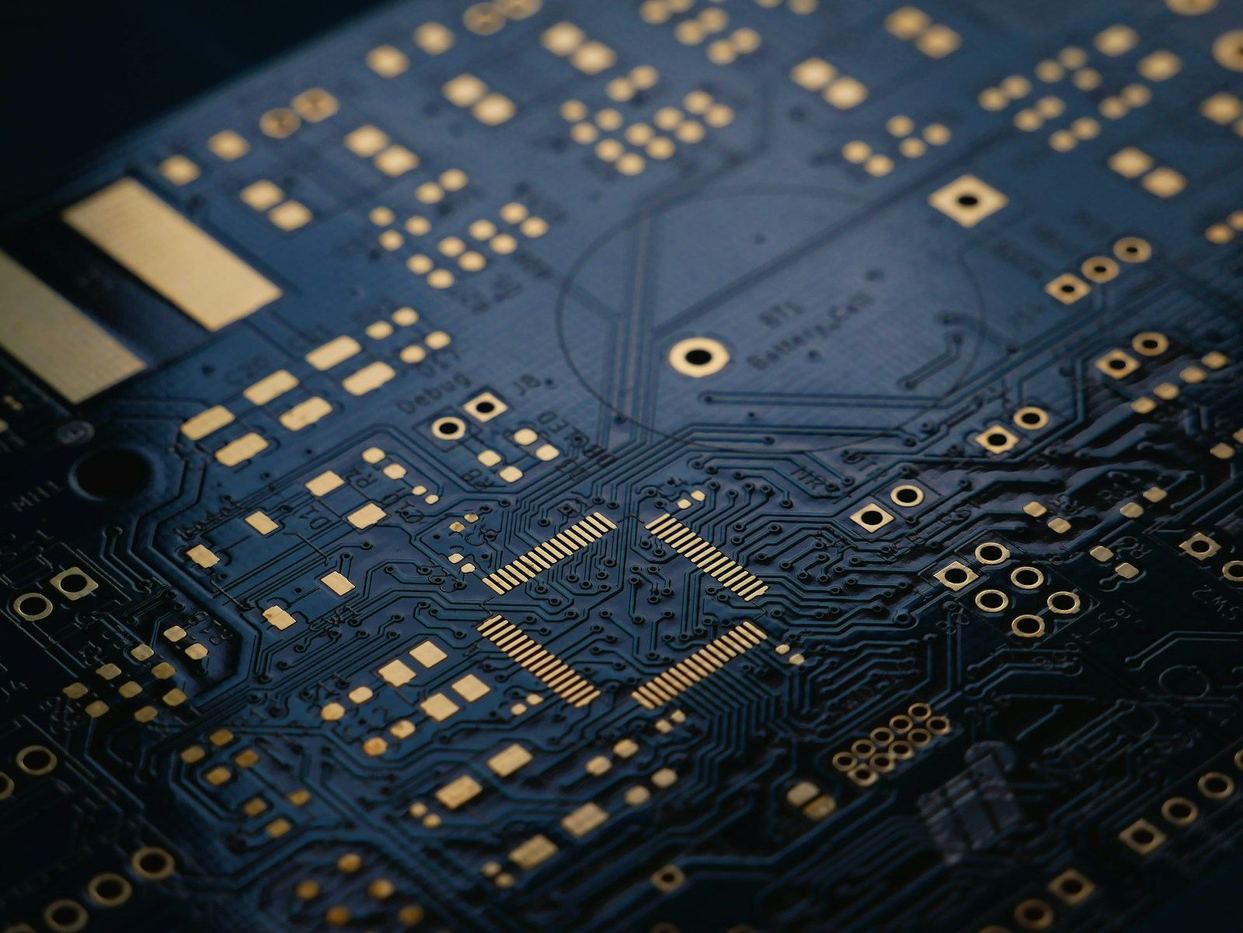
India's $13 Billion Ambition for Chip Production
India has committed to significantly expanding its domestic semiconductor manufacturing capabilities, with the second phase of the India Semiconductor Mission (ISM 2.0) receiving approval in July 2026. This phase allocates approximately $13 billion towards transforming the nation's design expertise into large-scale local production, as announced by the Indian government.
Electronics and IT Minister Ashwini Vaishnaw characterised ISM 2.0 as a shift "from demonstrating intent to executing projects at scale." Reinforcing this ambition, the fifth SEMICON India conference, which concluded on 19 September in New Delhi, featured over 600 exhibitors and 300 international companies from 52 countries, according to the event organisers.
The conference, themed "Silicon to Systems: Building the Ecosystem," highlighted advancements in India's indigenous technology and the evolution of its semiconductor ecosystem.
Leveraging Design Talent to Build Manufacturing
Historically, India has been a significant player in semiconductor design, with industry estimates suggesting the country hosts around 20 percent of the world's chip design talent. Major technology hubs such as Bengaluru, Hyderabad, Noida, and Pune provide research and development services for global firms including Intel, Qualcomm, Texas Instruments, and NXP.
Despite this strength, India's manufacturing ambitions faced setbacks, notably after a 1989 fire at the state-run Semiconductor Complex Limited in Mohali.
Subsequent economic liberalisation in 1991 further diminished the impetus for domestic fabrication, as imported chips became more cost-effective, and local facilities contended with limited subsidies and infrastructure challenges. While manufacturing efforts waned, the nation's intellectual capital in chip design continued to expand.
ISM 2.0's Focus on Local Ownership and Supply Chains
ISM 2.0 directly addresses the gap between design expertise and local ownership by providing funding for Indian semiconductor intellectual property (IP), supporting startups, and offering design incentives linked to deployment.
A key policy condition, as outlined by the mission, stipulates that strategically important chip designs receiving support will be co-owned by a state agency and remain within the country. While this condition aims to secure domestic IP, it could introduce complexities for licensing, acquisitions, and the venture funding essential for fabless startups to scale.
Prior to this, ISM 1.0 successfully approved 12 manufacturing projects, including nine packaging units, with India's inaugural commercial fabrication plant currently under construction, according to the India Semiconductor Mission.
To bolster the broader ecosystem, ISM 2.0 also extends fiscal support to manufacturers of semiconductor equipment, chemicals, gases, and raw materials.
Global De-risking Drives Investment
A geoeconomic imperative is also shaping India's semiconductor ambitions, as major economies including the United States, the European Union, Japan, and South Korea seek to de-risk supply chains by reducing geographical concentration in Taiwan and exposure to China.
This global diversification effort positions India as a politically stable alternative node within the semiconductor value chain. Consequently, international players such as Micron and Applied Materials are investing in the country, viewing it as a reliable partner.
This external interest complements India's domestic drive to reduce its reliance on imports, particularly for chipmaking equipment, of which industry figures indicate India sources more than 90 percent from abroad. Developing a local supplier base for these critical inputs remains a central objective for ISM 2.0.
Outlook for India's Semiconductor Sector
For investors and policymakers, the efficacy of ISM 2.0 will hinge on its ability to translate design talent into domestically owned manufacturing capacity.
A critical indicator will be the operational progress of the 12 manufacturing projects approved under ISM 1.0, particularly the commissioning of India's first commercial fabrication plant, with updates expected as construction advances.
Furthermore, the market will closely monitor how the co-ownership condition for strategic IP impacts venture funding and the scaling of Indian fabless startups, as initial licensing agreements and acquisition activities emerge.
Continued foreign direct investment from global semiconductor giants, building on commitments from firms like Micron and Applied Materials, will also signal the success of India's strategy to become a trusted global supply chain partner, with new project announcements expected in late 2026 and early 2027.
This analysis is journalism, not investment advice; consult a licensed professional before making financial decisions.
Pieces are credited to the desk that commissioned and edited them. Our editorial standards, and the desks behind them, are set out on the Editorial Standards and Team pages.
Further reading
- Briefings · Markets
How does Vietnam's 9.95% Q3 growth affect its 2026 target?
Vietnam's economy expanded by 9.95% in the third quarter of 2026, marking its quickest pace in four years, yet it requires a significant acceleration in Q4 to meet its annual goal.
Continue reading → - Briefings · Policy
Will Hong Kong's Five-Year Tax Relief Attract Major Innovation Firms?
Hong Kong lawmakers expressed reservations about the government's plan to offer 5% or 8.25% profits tax for up to five years to innovative companies, arguing the period is too short to draw new headquarters.
Continue reading → - Briefings
Will AI-driven automation constrain economic growth?
A new working paper from the Bank for International Settlements suggests widespread AI adoption could paradoxically slow long-term economic expansion by shrinking consumer markets.
Continue reading →