
How will ADB's $350 million loan enhance Azerbaijan's rail freight capacity?
The Asian Development Bank approved a $350 million loan on 6 October 2026 for electrification and signalling on the 192-kilometre Bilajari–Yalama railway, aiming to boost Central Asian freight efficiency.
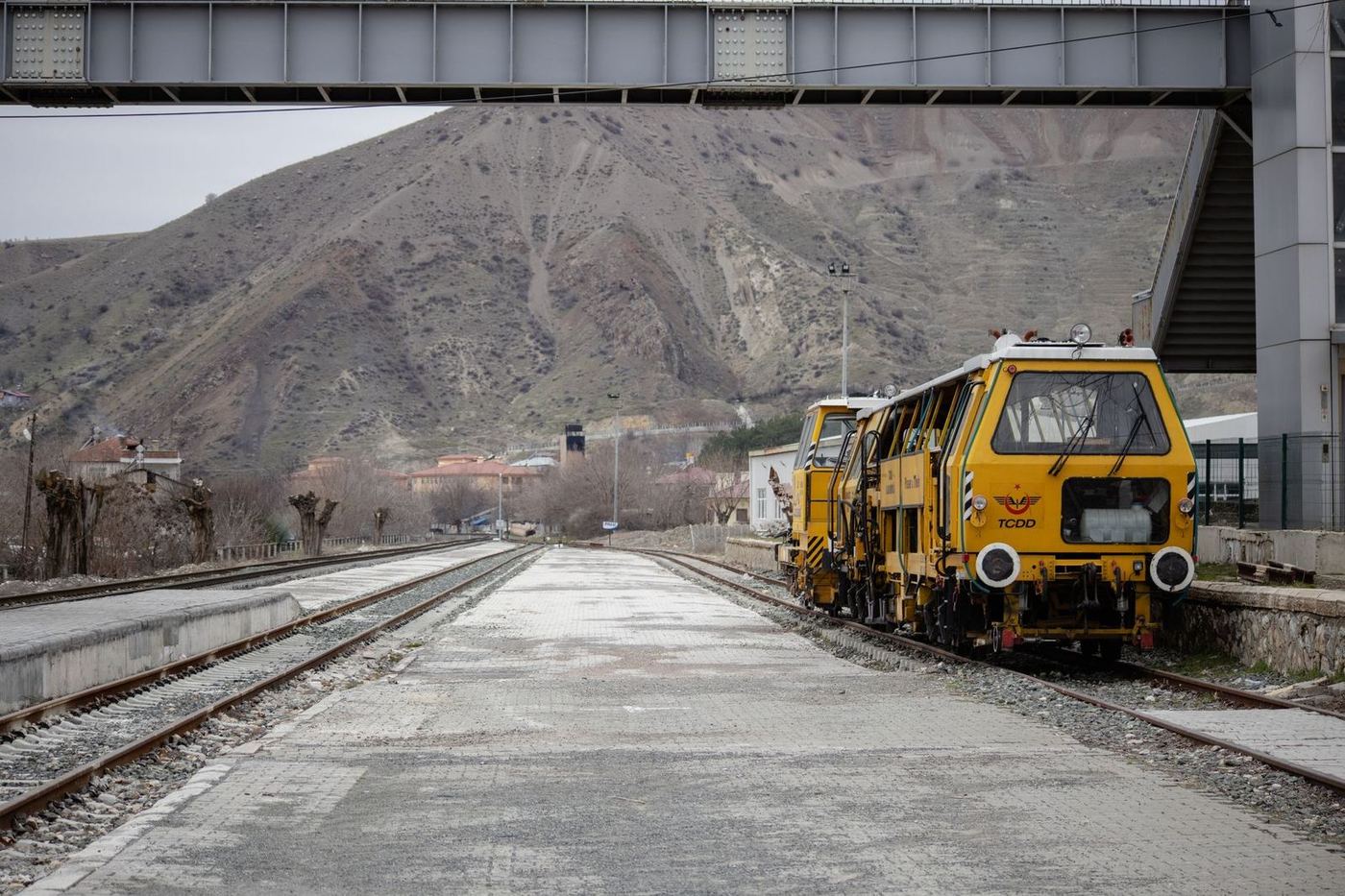
Azerbaijan rail link to receive US$350 million upgrade
The Asian Development Bank (ADB) approved a US$350 million loan on 6 October 2026 to upgrade a critical railway link in Azerbaijan. This financing targets the 192-kilometre double-track line connecting Bilajari and Yalama, with the objective of significantly enhancing operational efficiency and fostering regional trade connectivity.
The project involves installing modern electrification, signalling, and telecommunication systems, which are expected to improve the safety, reliability, and overall performance of one of Azerbaijan’s most important international freight corridors.
This investment by the ADB, a multilateral development bank supporting sustainable growth across Asia and the Pacific, aligns with Azerbaijan's broader strategy to strengthen its multimodal transport and logistics capabilities within the Central Asia Regional Economic Cooperation (CAREC) network.
Modernisation targets efficiency and competitiveness
The modernisation initiative focuses on replacing existing direct current (DC) electrification with more efficient alternate current (AC) systems along the Bilajari–Yalama line. This technical upgrade is designed to support contemporary railway operations, contributing to a more competitive and energy-efficient rail transport network for Azerbaijan.
Beyond the core infrastructure enhancements, the project also includes strengthening the project management capacity of Azerbaijan Railways (ADY), a key state-owned enterprise in the country.
Sunniya Durrani-Jamal, ADB Country Director for Azerbaijan, stated that these modernisations will make the country’s rail transport network more competitive, energy-efficient, and environmentally sustainable, while also making rail operations safer and more cost-effective.
Operational and environmental benefits expected
Expected outcomes from the upgraded railway infrastructure extend to several operational and environmental benefits. The ADB anticipates that the investment will lead to a reduction in overall energy consumption for railway operations, alongside a decrease in maintenance costs.
Furthermore, the modernised systems are projected to improve commercial speeds for freight trains, which can translate into faster transit times for goods moving through the corridor. From an environmental perspective, the project aims to reduce greenhouse gas emissions, contributing to more sustainable transport practices.
The initiative also includes a social dimension, with plans to create opportunities for women to take on technical, supervisory, and management roles within Azerbaijan Railways (ADY), building on previous ADB support for the entity's sector reforms and corporate governance improvements.
Implications for regional logistics and trade
For decision-makers in regional logistics and trade, the ADB's investment signals a tangible improvement in the efficiency and capacity of a vital Central Asian trade artery.
The anticipated enhancements, including higher commercial speeds and reduced operational costs, could lower the landed cost of goods transported via this route, potentially by reducing transit times and fuel consumption.
Businesses involved in cross-border trade through the Caucasus, particularly those utilising the CAREC corridor, should anticipate faster and more reliable freight services once the upgrades are completed.
While the ADB's announcement on 6 October 2026 did not specify a project completion date, the shift to AC electrification and improved signalling implies a significant increase in throughput potential, offering a competitive alternative for East-West trade flows.
Investors and logistics firms should monitor the project's progress for specific timelines and projected capacity increases, which will be critical for optimising supply chains across the region.
This analysis is journalism, not investment advice; consult a licensed professional before making financial decisions.
Pieces are credited to the desk that commissioned and edited them. Our editorial standards, and the desks behind them, are set out on the Editorial Standards and Team pages.
Further reading
- Briefings · Policy
What economic disruption does IMF foresee from AI for Asia?
The International Monetary Fund's Managing Director Kristalina Georgieva warned of AI's pervasive impact on labour markets and government revenues, while projecting up to a percentage point growth for advanced Asian economies.
Continue reading → - Briefings · Policy
Has Australian security policy curbed China research collaboration?
Despite increased security governance, co-authored educational articles between Australian and Chinese researchers rose 53.7% between 2023 and 2024, reaching a decade high.
Continue reading → - Briefings · Industry
How does Vicor's latest US import ban bid affect Taiwan's AI server firms?
Power component producer Vicor Corporation has made a second attempt this year to prevent imports of AI server power hardware from Foxconn, Quanta, and Delta into the US market.
Continue reading →