
Argentina's US pivot, China trade: Economic stability at risk
Argentina's President Javier Milei has pursued a foreign policy of alignment with the United States, yet the nation's economic stability remains deeply dependent on trade and financial ties with China and Brazil. This creates a fundamental tension between declared geopolitical orientation and economic realities.
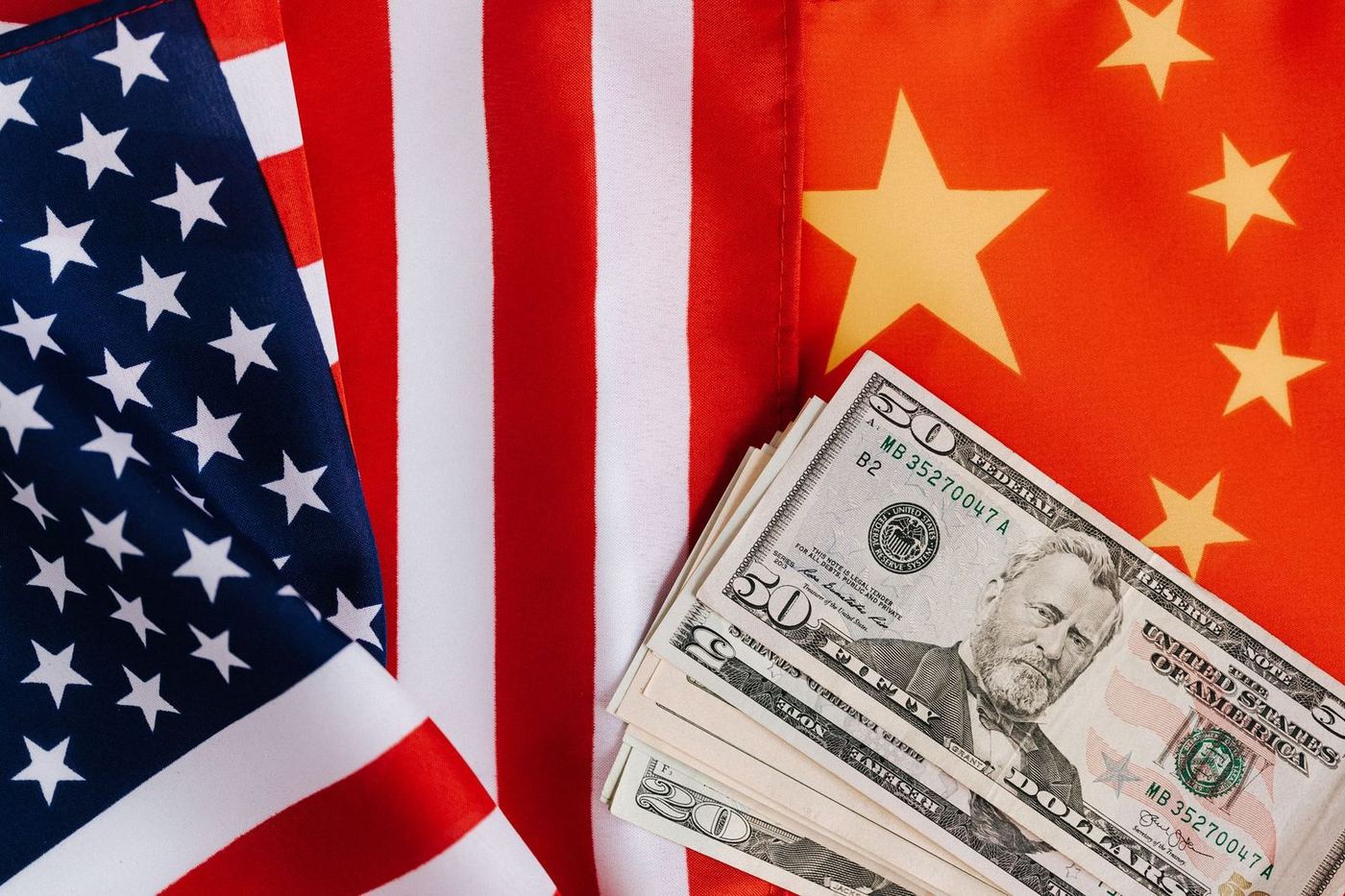
Argentina's Divergent External Engagements
Argentina, under President Javier Milei, has adopted a foreign policy demonstrating close alignment with the United States. This orientation contrasts with the nation's economic reality, where China and Brazil remain critical trading partners. Historically, Argentina pursued multilateral integration, engaging with regional bodies such as Mercosur and participating in the G20.
This approach, consistent with the post-Cold War global order, also saw Argentina cultivating close ties with major global powers including Brazil, Russia, and China. By late 2023, Argentina's potential integration into the BRICS bloc appeared probable, a development foreshadowed in point 91 of the Johannesburg Declaration from the BRICS leaders’ summit that year.
The trade complementarity with the bloc offered avenues to deepen existing partnerships and cultivate new commercial opportunities. However, Milei's administration subsequently rejected the invitation to join BRICS, citing ideological incompatibility with its members.
Core Economic Dependencies
Despite the declared ideological stance, Argentina's economic stability relies significantly on its relationships with China and Brazil. China, in particular, provides crucial financial support; the currency swap line between the Argentine and Chinese central banks accounts for approximately 50% of Argentina’s total foreign exchange reserves.
This financial lifeline demonstrates the nation's deep economic reliance on Beijing. Furthermore, both China and Brazil continue to function as Argentina's primary trading partners.
The Milei administration's characterisation of these nations as 'communist' governments, implying a need to reduce ties, creates a discursive inconsistency with the country's trade balance requirements. Without its principal trading partners, Argentina's trade balance would face significant pressure, potentially becoming unsustainable.
Policy Shifts and Their Economic Costs
The shift in Argentina's foreign policy has incurred specific economic and diplomatic costs without clear compensatory economic benefits. The rejection of the BRICS invitation, occurring days before scheduled accession, closed off avenues for enhanced trade and financial collaboration that had been anticipated since late 2023.
Furthermore, a complete alignment with Washington offers limited economic advantage given the current competitiveness of Argentina's productive base.
Diplomatic actions have also reflected this new orientation; for instance, at the United Nations, Argentina departed from long-standing diplomatic tradition by voting against the termination of the United States embargo on Cuba for the first time.
Such moves carry a diplomatic price, potentially affecting Argentina’s standing in multilateral forums and its relationships with other nations.
Navigating Persistent Economic Ties
Even with the pronounced shift in foreign policy, Argentina's economic and trade relationship with Brazil has remained substantially close, mirroring patterns observed over recent decades. This persistence exists despite instances of political friction, such as President Milei campaigning against Brazil's President Lula da Silva within Brazilian territory.
This demonstrates a separation between political rhetoric and the underlying economic imperatives that sustain trade flows. The ability to maintain these essential economic connections while pursuing a distinct geopolitical alignment presents a complex challenge for the current administration.
The sustainability of this approach, particularly given its reliance on existing trade structures and financial arrangements, remains a key question for Argentina's economic trajectory.
Outlook and Regional Implications
The path forward for Argentina's administration involves navigating this complex balance, where any significant deviation from its current economic course could jeopardise the stability of its reform agenda and affect its prospects for re-election in 2027.
The reliance on the Chinese currency swap line, representing half of Argentina's reserves, highlights a critical vulnerability if geopolitical tensions were to translate into economic disengagement. For Asian economies, Argentina's experience provides a case study in managing the tension between geopolitical alignment and economic dependencies.
Nations in Southeast Asia, for example, which often balance security relationships with Western powers against extensive trade and investment ties with China, may observe Argentina's ability to sustain this dual approach.
The specific conditions under which Argentina maintains its trade and financial links with China and Brazil, despite its declared foreign policy, could offer insights into the resilience of economic interdependence in a multipolar world.
The evolution of Argentina's trade balance with China and Brazil, particularly in the period following the 2027 election, will be a key indicator to watch.
This analysis is journalism, not investment advice; consult a licensed professional before making financial decisions.
Pieces are credited to the desk that commissioned and edited them. Our editorial standards, and the desks behind them, are set out on the Editorial Standards and Team pages.
Further reading
- Briefings · Industry
How will Japan's fiscal 2031 quantum sensor drone plan reshape undersea surveillance?
Japan's defence budget request, released in late August, outlines a plan to deploy drone-mounted quantum magnetic sensors by fiscal 2031. This initiative seeks to improve maritime detection efficiency and reduce operational costs.
Continue reading → - Briefings · Markets
How do US$100 oil and 5% US yields divide ASEAN currencies?
Analysts observe a significant split in regional currency performance, with some benefiting from trade surpluses and capital inflows while others face import cost pressures.
Continue reading → - Briefings · Markets
How will RBI's September 16 reverse repo affect India's liquidity?
The Reserve Bank of India will conduct an overnight variable rate reverse repo operation on September 16, 2026, aiming to absorb surplus funds from the banking system.
Continue reading →