
ADB's $15m package boosts Naoero Airlines, Pacific air links
The Asian Development Bank's $15 million package, signed 2 October 2026, will enable Naoero Airlines to acquire a Boeing 737-800, improving connections across Naoero and other remote Pacific nations.
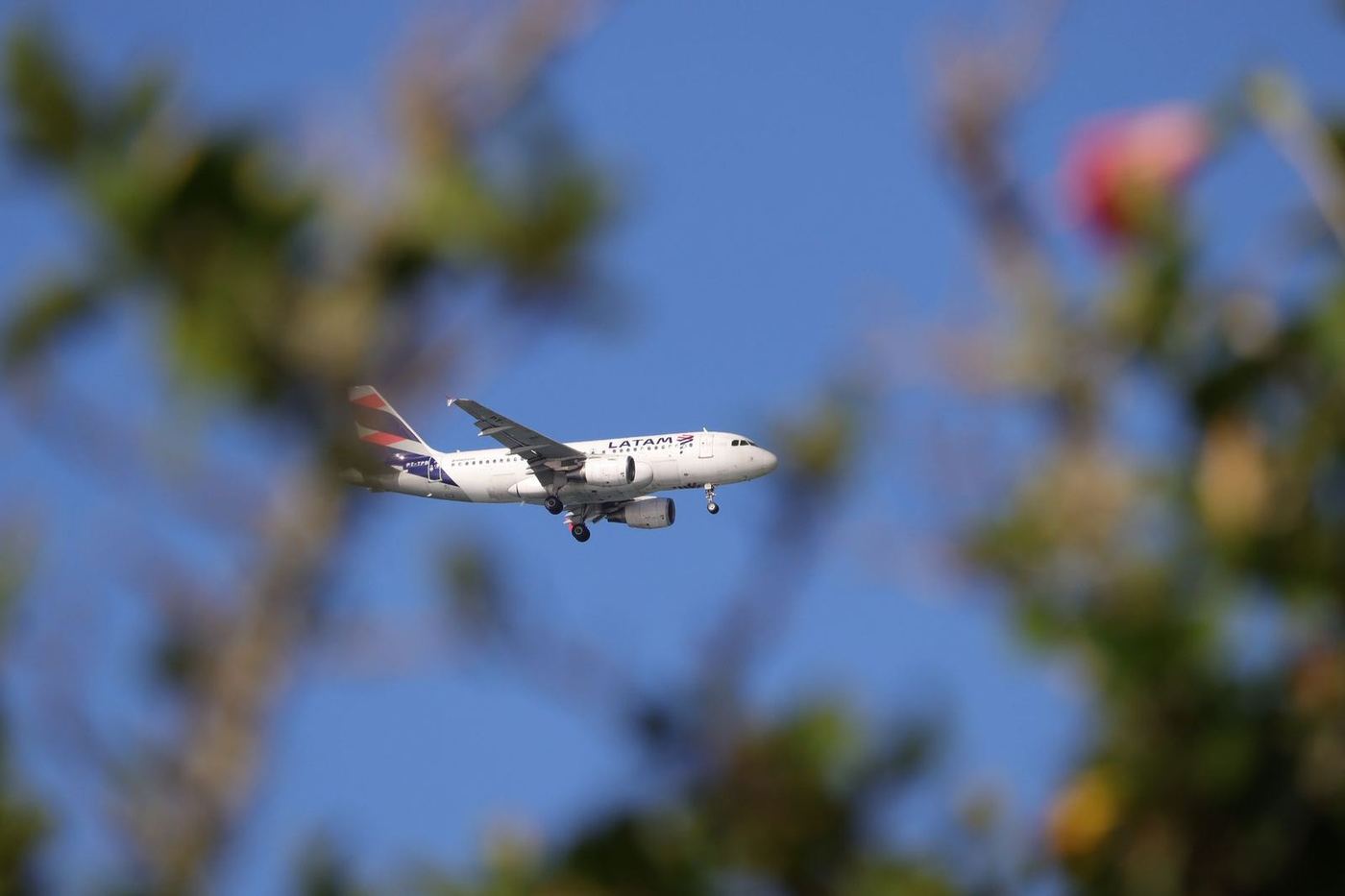
ADB Finances Naoero Airlines' Fleet Modernisation
The Asian Development Bank (ADB) finalised a $15 million financing agreement with Nauru Leasing Corporation on 2 October 2026. This entity, a wholly owned subsidiary of Naoero Air Corporation (NAC), will use the funds to acquire a preowned Boeing 737-800 aircraft.
The initiative aims to enhance transport resilience, regional connectivity, and cross-border trade and supply activities for Naoero and other remote Pacific island countries. This investment represents a direct effort to modernise Naoero Airlines' fleet, replacing an older aircraft to achieve operational efficiencies and expand service capabilities across a critical region.
Blended Finance Structure for Private Investment
The $15 million financing package comprises a combination of instruments designed to mitigate private sector involvement risks in challenging markets. It includes a $5 million loan drawn from ADB’s ordinary capital resources and a further $5 million concessional loan from the Leading Asia’s Private Infrastructure Fund 2 (LEAP 2).
Additionally, a reimbursable grant of up to $5 million is provided through the Private Sector Window of the Asian Development Fund.
This project was developed under the ADB’s Wayfinder (Pacific) Program, which seeks to accelerate private sector development by using blended concessional finance to reduce investment risks and attract further private capital into the Pacific region.
Operational Gains and Expanded Regional Reach
The acquisition of the Boeing 737-800 is projected to bring several operational advantages to Naoero Airlines. These include improved fuel efficiency, reduced maintenance expenses, and enhanced service reliability, alongside an increase in passenger capacity.
Naoero Airlines provides essential passenger and freight services that link Naoero with the Federated States of Micronesia, Fiji, Kiribati, the Marshall Islands, and Australia. Naoero Air Corporation, the parent company, was established in 1996 and is entirely owned by the Government of Naoero, positioning it as a key infrastructure provider for these island nations.
Implications for Trade and Regional Integration
This fleet modernisation is expected to contribute to greater regional trade flows and integration within the Pacific. Stronger air connectivity is vital for supporting trade, tourism, and supply chain logistics, which in turn facilitates business activity.
Furthermore, improved air transport reliability directly supports critical services such as medical transport and disaster response efforts in these remote Pacific economies.
Emma Veve, Director General of ADB’s Pacific Department, noted on 2 October 2026 that this marks the first private sector investment in Naoero enabled by the ADB’s Wayfinder initiative, demonstrating early success in blending commercial and concessional finance for smaller Pacific markets.
Outlook for Pacific Infrastructure Investment
The ADB's commitment to Naoero Airlines offers a model for future private sector engagement in the Pacific. Charleston Deiye, Chairman of NAC’s Board, stated that this investment in a more efficient fleet will better serve passengers and regional trade.
The Leading Asia’s Private Infrastructure Fund 2 (LEAP 2), which contributed $5 million to this package, is supported by a $1.5 billion commitment from the Japan International Cooperation Agency.
Investors and policymakers in the region will monitor the deployment of these funds, with further announcements on Wayfinder-backed projects expected from the ADB in the coming 12 months, detailing how the remaining LEAP 2 capital is allocated across the Pacific.
This analysis is journalism, not investment advice; consult a licensed professional before making financial decisions.
Pieces are credited to the desk that commissioned and edited them. Our editorial standards, and the desks behind them, are set out on the Editorial Standards and Team pages.
Further reading
- Briefings · Policy
What economic disruption does IMF foresee from AI for Asia?
The International Monetary Fund's Managing Director Kristalina Georgieva warned of AI's pervasive impact on labour markets and government revenues, while projecting up to a percentage point growth for advanced Asian economies.
Continue reading → - Briefings · Policy
Has Australian security policy curbed China research collaboration?
Despite increased security governance, co-authored educational articles between Australian and Chinese researchers rose 53.7% between 2023 and 2024, reaching a decade high.
Continue reading → - Briefings · Industry
How does Vicor's latest US import ban bid affect Taiwan's AI server firms?
Power component producer Vicor Corporation has made a second attempt this year to prevent imports of AI server power hardware from Foxconn, Quanta, and Delta into the US market.
Continue reading →