
Seoul urges US to ease tariffs on Hyundai-POSCO's US$5.8bn steel mill
South Korea's Industry Minister has requested the United States ease tariffs on equipment for a US$5.8 billion steel mill in Louisiana, a venture critical for automotive supply chains and Hyundai Motor Group's broader US investment strategy.
Tariff Considerations for a Major Steel Investment
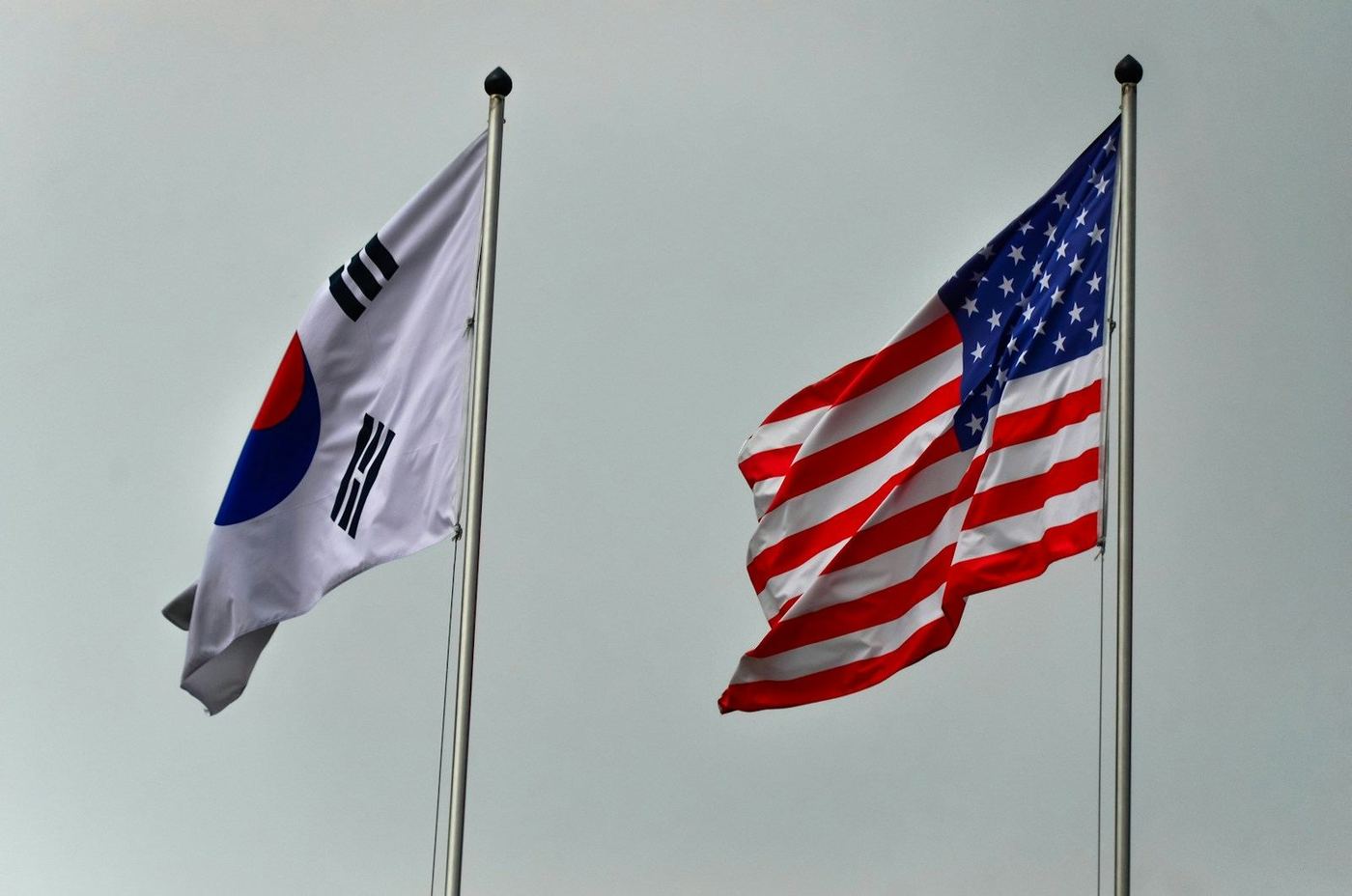
South Korea's Industry Minister, Kim Jung-kwan, recently urged the United States to consider easing tariffs on equipment required for a US$5.8 billion steel mill in Louisiana. This request was made during a meeting with Louisiana Governor Jeff Landry, preceding a groundbreaking ceremony for Hyundai-POSCO Louisiana Steel LLC (HPLS).
The Ministry of Trade, Industry and Resources, in a press release, detailed the minister's appeal for Washington to address challenges faced by Korean companies investing in the US, specifically calling for tariff relief on materials and equipment shipped from South Korea.
The HPLS project is structured as a joint venture involving Hyundai Motor Group affiliates, including Hyundai Steel Co., Hyundai Motor Co., and Kia Corp., alongside the steelmaker POSCO.
This initiative is designed to bolster supply chain collaboration between South Korea and the United States, leveraging South Korean steelmaking expertise with US industrial and energy infrastructure.
Navigating US Trade Remedy Measures
Foreign steelmakers operating in the United States are subject to tariffs under Section 232 of the Trade Expansion Act of 1962, which grants the US President authority to adjust imports deemed a threat to national security. The Ministry of Trade, Industry and Resources confirmed that these measures, along with other trade remedies, apply to the HPLS project.
Minister Kim Jung-kwan emphasised the strategic importance of the Louisiana mill, highlighting its role in supplying automotive steel to global automakers' production facilities located across the southern United States and Mexico, including those operated by Hyundai Motor and Kia.
The minister's intervention underscores the direct cost implications that existing tariff regimes can impose on significant cross-border industrial investments, potentially affecting project economics and timelines. The request seeks to mitigate these financial burdens, facilitating the integration of this new production capacity into regional supply networks.
Project Scope and Strategic Alignment
The HPLS facility is an electric arc furnace-based integrated steel mill, with construction scheduled to commence in the fourth quarter of 2026. Commercial production is anticipated to begin in 2029, as confirmed by Hyundai Steel. This US$5.8 billion investment forms a component of Hyundai Motor Group's broader US$26 billion US investment plan, which was announced in 2025.
Hyundai Steel, in March 2025, confirmed its commitment to building its first steel mill in North America through this project. The ownership structure for HPLS allocates 50 percent to Hyundai Steel, 15 percent each to Hyundai Motor and Kia, and a 20 percent stake to POSCO.
Hyundai Motor Group Executive Chair Euisun Chung noted at the groundbreaking ceremony that the automotive steel produced at the Louisiana plant will support Hyundai Motor Group and US automakers in developing future mobility solutions, aligning the project with evolving industry demands.
Implications for Asian Investment in US Manufacturing
The South Korean government's request for tariff relief for the Hyundai-POSCO Louisiana steel mill demonstrates the ongoing challenges faced by Asian manufacturers undertaking large-scale capital expenditure in the United States, particularly in sectors subject to trade protection measures.
While the project aims to strengthen supply chain resilience by localising production, the application of Section 232 tariffs can introduce additional costs for imported equipment and materials from South Korea. This scenario could influence the capital allocation decisions for other Asian firms considering similar direct investments in US manufacturing.
The outcome of the tariff relief request will provide a clearer indication of the US approach to balancing domestic industry protection with the facilitation of foreign direct investment that supports strategic supply chain objectives.
Decision-makers should monitor any official responses from the US government regarding the tariff status of this project, as it may set a precedent for future Asian industrial investments in the US market.
This analysis is journalism, not investment advice; consult a licensed professional before making financial decisions.
Pieces are credited to the desk that commissioned and edited them. Our editorial standards, and the desks behind them, are set out on the Editorial Standards and Team pages.
Further reading
- Briefings · Industry
How will Japan's fiscal 2031 quantum sensor drone plan reshape undersea surveillance?
Japan's defence budget request, released in late August, outlines a plan to deploy drone-mounted quantum magnetic sensors by fiscal 2031. This initiative seeks to improve maritime detection efficiency and reduce operational costs.
Continue reading → - Briefings · Markets
How do US$100 oil and 5% US yields divide ASEAN currencies?
Analysts observe a significant split in regional currency performance, with some benefiting from trade surpluses and capital inflows while others face import cost pressures.
Continue reading → - Briefings · Markets
How will RBI's September 16 reverse repo affect India's liquidity?
The Reserve Bank of India will conduct an overnight variable rate reverse repo operation on September 16, 2026, aiming to absorb surplus funds from the banking system.
Continue reading →