
How did Tesla's October sales reinforce its lead in South Korea's imported vehicle market?
The electric vehicle manufacturer registered 9,165 units in October 2026, marking a 110.7 percent increase from the previous year and extending its market dominance among imported brands for the ninth consecutive month.
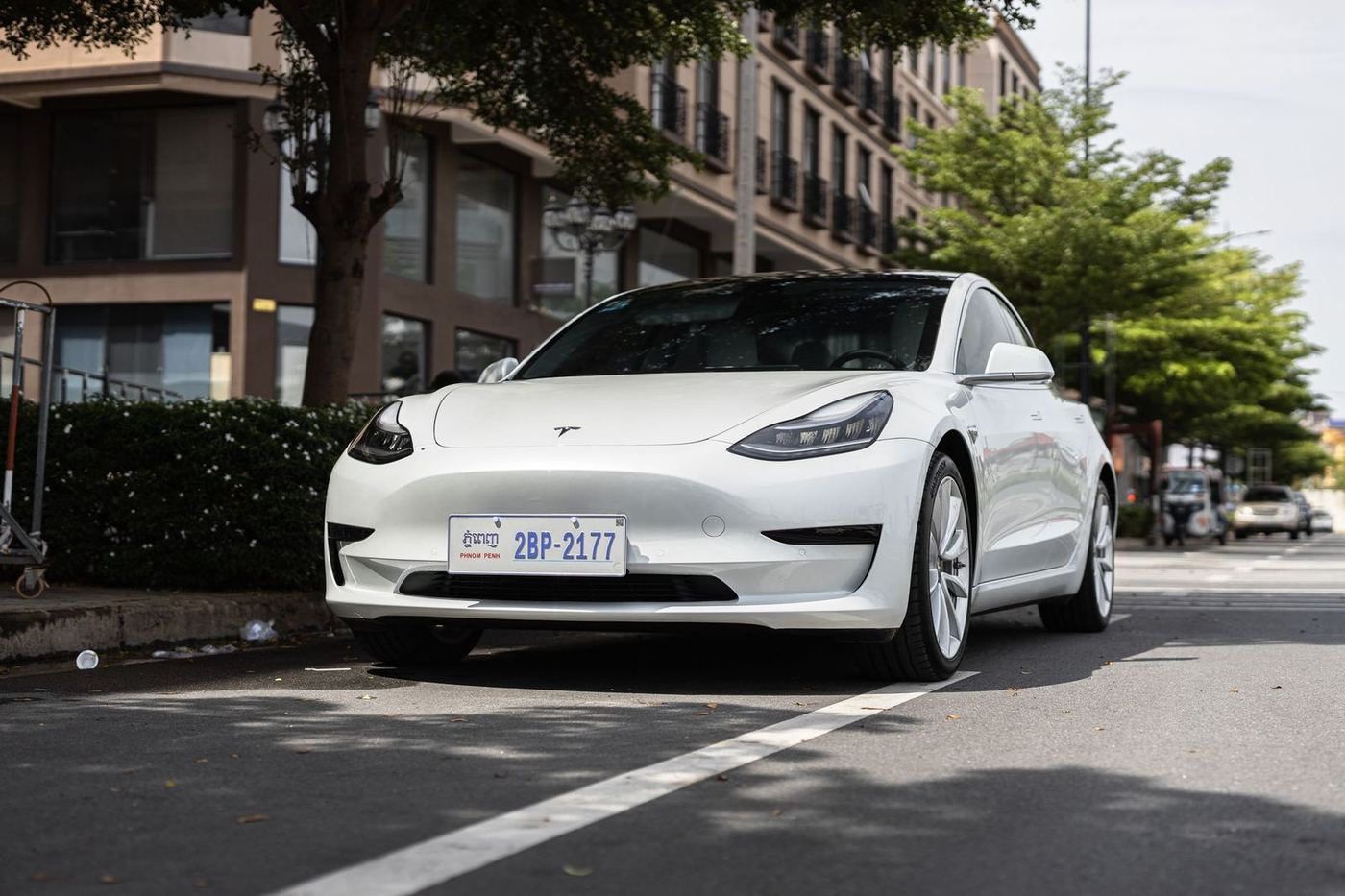
Tesla's October Sales Performance in Korea
Tesla maintained its leading position in South Korea's imported car market for the ninth consecutive month, according to data highlighted by CEO Elon Musk on Friday, 5 November 2026. The electric vehicle manufacturer registered 9,165 units in October 2026, representing a 110.7 percent increase compared to October 2025.
This performance allowed Tesla to surpass established German luxury brands, including Mercedes-Benz and BMW, in a market characterised by intense competition. The consistent sales figures show the company's sustained penetration into the Korean automotive sector and its capacity to attract consumers within a high-value segment.
Executive Engagement with the Korean Market
Elon Musk's recent social media activity on 5 November 2026, celebrating Tesla's market share in South Korea, reflects a pattern of direct engagement with the country. His post on X featured a modified Korean national flag and the caption "Tesla Korea," acknowledging the brand's local success.
This follows earlier public statements in 2026, such as his June post praising Korea after the Model Y became the top-selling passenger vehicle. In February 2026, Musk also used his platform to recruit Korean engineers for roles in chip design, fabrication, and artificial intelligence software, indicating a strategic interest in the nation's technological talent pool.
Competitive Dynamics in South Korea's Imported Vehicle Sector
South Korea's imported car market is noted for its high level of competition, with a diverse range of global manufacturers vying for consumer preference. Tesla's sustained leadership over traditional luxury automakers like Mercedes-Benz and BMW suggests a shift in buyer priorities, particularly within the electric vehicle segment.
While the broader market includes numerous brands, Tesla's consistent top ranking among imported vehicles for nearly a year indicates a strong brand appeal and effective market strategy against well-established competitors. This market dynamic shows the potential for new entrants to disrupt traditional hierarchies with targeted product offerings.
Implications for EV Market Strategy in Asia
Tesla's enduring market leadership in South Korea presents a clear signal for other automotive manufacturers operating in or considering entry into Asian EV markets. The sustained growth and market share demonstrate that a focused EV strategy can challenge established luxury segments.
Competitors may need to accelerate their electric model introductions, refine pricing strategies, or enhance charging infrastructure to compete effectively.
Decision-makers in the automotive sector will likely observe registration data for November 2026, expected in early December, to assess if Tesla's trajectory continues and to inform their own investment and product development plans for the region.
This analysis is journalism, not investment advice; consult a licensed professional before making financial decisions.
Pieces are credited to the desk that commissioned and edited them. Our editorial standards, and the desks behind them, are set out on the Editorial Standards and Team pages.
Further reading
- Briefings · Policy
How does multilateral trade support a sustainable ocean economy?
WTO Director-General Ngozi Okonjo-Iweala outlined multilateral frameworks, including the Fisheries Subsidies Agreement, to protect the US$2.6 trillion ocean economy and its 133 million jobs.
Continue reading → - Briefings · Policy
Pakistan's airspace restriction: What does it reveal about its One China policy adherence?
Islamabad temporarily barred China Airlines and EVA Air flights last month, reversing the decision until March 2027, a move its Defence Minister linked to the One China policy.
Continue reading → - Briefings · Markets
How will the Reserve Bank of India's ₹50,000 crore repo affect liquidity?
India's central bank will conduct a four-day variable rate repo auction on 9 November 2026, aiming to address prevailing short-term liquidity conditions in the financial system.
Continue reading →