
Singapore Forges New Western Island for Advanced Manufacturing, Future Energy
Singapore plans to expand its industrial land area through the creation of a new Western island, aiming to support advanced manufacturing and future energy infrastructure as part of its long-term economic trajectory, as announced on 23 August 2026.
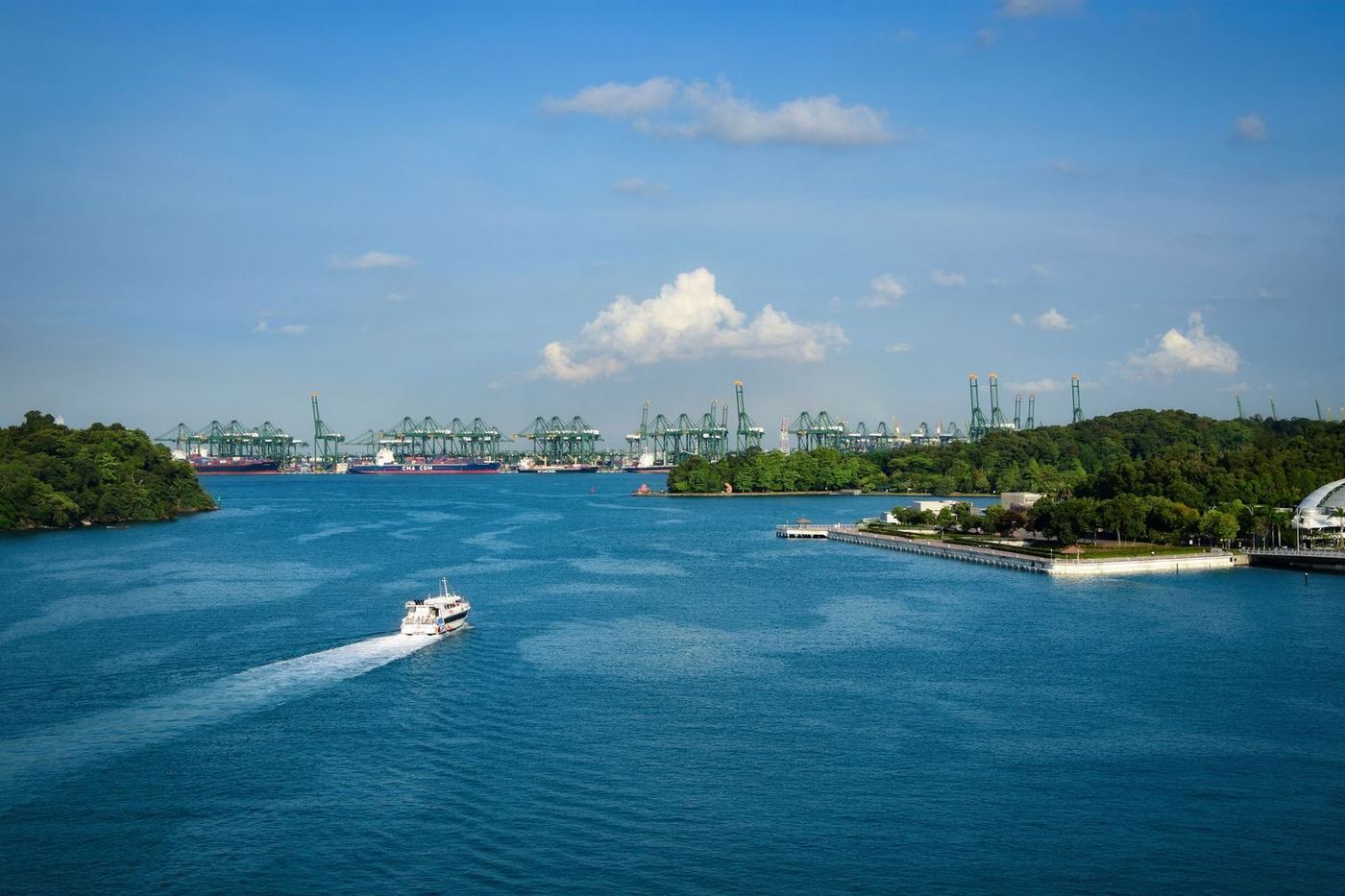
Strategic Land Expansion for Future Industries
Singapore's government has outlined plans for a significant land reclamation project involving the merger of several southern islands to form a new Western island. Prime Minister Lawrence Wong announced this initiative at the National Day Rally on 23 August 2026, characterising it as a component of the Republic's long-term development strategy.
The project involves combining islands such as Semakau, which currently serves as the city-state's offshore landfill; Bukom, an established site for its initial refinery operations; Pulau Sudong, which features an airstrip utilised by the Singapore Armed Forces; and a collection of smaller landmasses.
This consolidation aims to create a larger, contiguous land area specifically designated to accommodate future industrial requirements, reflecting a considered approach to national resource allocation.
Diversifying Industrial Capabilities Beyond Petrochemicals
The new Western island is envisioned to host a diverse array of sectors, moving beyond a singular focus on petrochemicals. Prime Minister Wong, in his address on 23 August 2026, specified that the expanded landmass would support a 'new generation of industries,' including advanced manufacturing facilities.
Furthermore, the development is planned to integrate new power generation infrastructure, designed to meet the nation's evolving energy demands in the coming decades. This strategic diversification is intended to broaden Singapore's economic base, ensuring its relevance in emerging global industrial landscapes.
The existing airstrip on Pulau Sudong will also provide continued operational space for the Singapore Armed Forces within the new island's framework.
Enhancing Connectivity for Industrial Hubs
Integral to the new island's development are significant infrastructure upgrades aimed at improving logistical flow and accessibility. Prime Minister Wong confirmed on 23 August 2026 that a second road link will be constructed to Jurong Island, which currently experiences high traffic volumes on its existing causeway connection to the mainland.
Jurong Island itself stands as a global centre for energy and chemicals, a status achieved through a similar past initiative of land reclamation and island merger. In parallel, a new road link is planned to connect Jurong Island directly to the newly formed Western island.
These infrastructure investments are designed to facilitate efficient movement of goods and personnel, supporting the integrated operations of these industrial clusters.
Drawing Lessons from Past Industrial Transformations
The conceptualisation of the new Western island draws a direct parallel to Singapore's historical approach to industrial expansion. Prime Minister Wong referenced the creation of Jurong Island, which was formed by reclaiming and merging islands to establish a petrochemical industry.
This earlier endeavour, he noted on 23 August 2026, 'delivered lasting benefits' by generating employment, anchoring key industries, positioning Singapore as a critical node in global energy flows, and enhancing the country's energy security.
The current project for the new Western island is intended to replicate this long-term economic shaping, with Prime Minister Wong stating it 'can help shape Singapore for the next 50 years and beyond,' much as Jurong Island influenced the economy for the past five decades.
Implications for Long-Term Capital Allocation
The development of a new Western island represents a significant commitment to Singapore's long-term industrial and economic framework. For decision-makers in Asian markets, this initiative highlights a sustained focus on land optimisation and industrial diversification.
The emphasis on advanced manufacturing and future power generation infrastructure signals potential areas for capital allocation and technological partnership over the coming decades.
The government's strategic investment in new industrial land, supported by enhanced connectivity to existing hubs like Jurong Island, suggests a deliberate effort to attract and embed high-value industries.
Investors and businesses should observe the detailed industry blueprints and infrastructure development timelines as they emerge, particularly in relation to the specific advanced manufacturing capabilities and energy solutions planned for the new island, which will define its economic contribution beyond 2030.
This analysis is journalism, not investment advice; consult a licensed professional before making financial decisions.
Pieces are credited to the desk that commissioned and edited them. Our editorial standards, and the desks behind them, are set out on the Editorial Standards and Team pages.
Further reading
- Briefings · Markets
SoftBank Group shares drop 11% after OpenAI delays IPO
The Tokyo-listed investment firm saw its stock decline significantly earlier this week, following an announcement from OpenAI that it would delay its initial public offering and advocate for slower AI development.
Continue reading → - Briefings · Policy
Will South Korea's Corporate Tax Rate Be Reduced?
Finance Minister nominee Lee Hyoung-il confirmed on Sunday that the 25% corporate tax rate, reinstated this year, will not be lowered, influencing business investment forecasts for the coming fiscal periods.
Continue reading → - Briefings · Policy
RBI proposes freezing accounts for cyber fraud
India's central bank seeks public input on proposed amendments to its Know Your Customer directions, aiming to formalise how banks can temporarily freeze accounts linked to cyber fraud by October 2, 2026.
Continue reading →