
Singapore Airlines, Air India: Strategic move for multi-hub growth
Singapore Airlines’ 25.1 per cent stake in Air India facilitates direct market participation and commercial cooperation, supporting its multi-hub strategy amid India’s projected economic and aviation expansion.
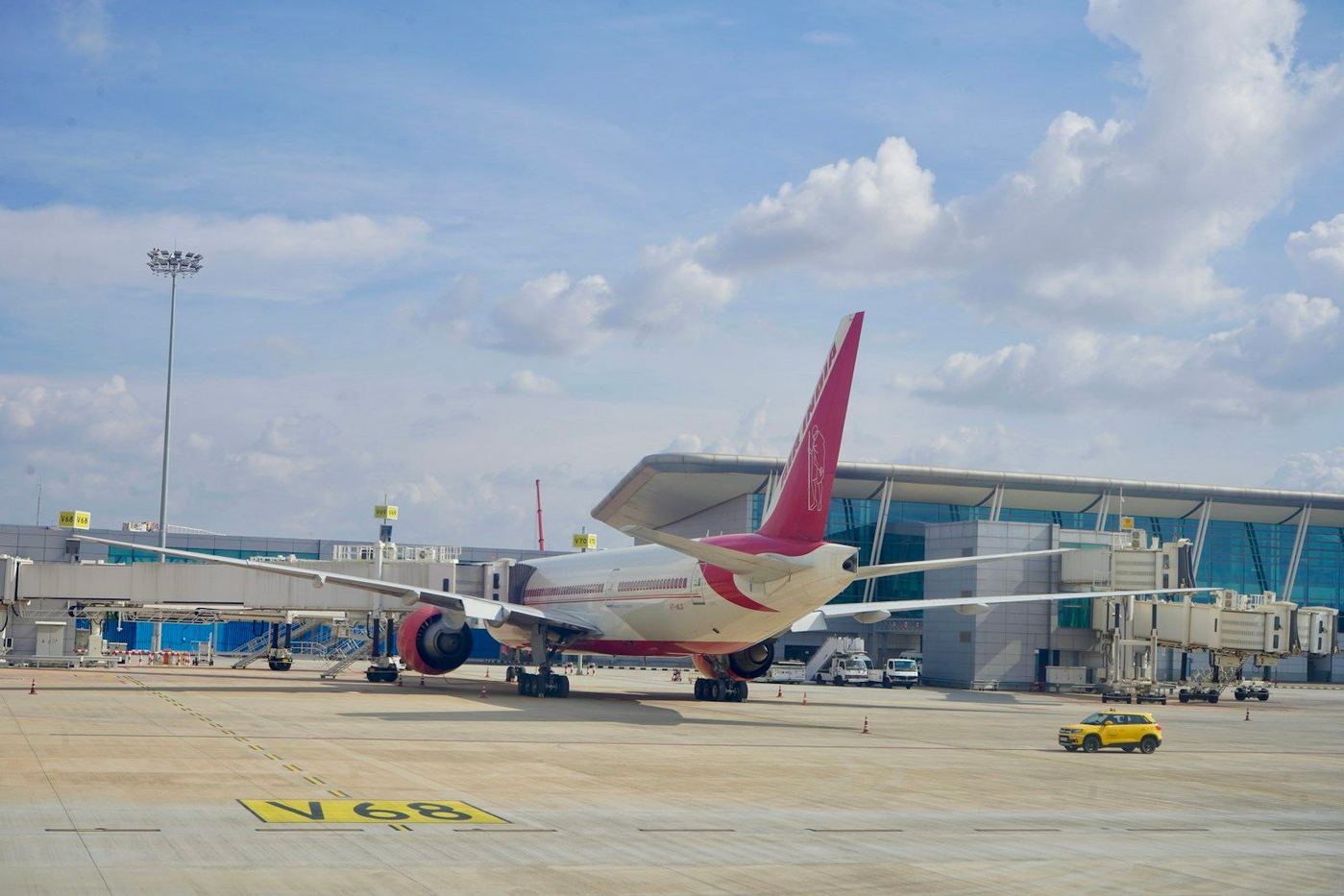
Strategic Market Entry and Operational Integration
Singapore Airlines’ (SIA) investment in Air India represents a calculated component of its long-term multi-hub strategy, enabling direct engagement with the Indian aviation market. This involvement commenced with the establishment of Vistara, a joint venture with Tata Sons, in 2013.
Following Vistara’s consolidation into Air India in November 2024, SIA now holds a 25.1 per cent equity stake in the combined entity. This expanded group operates across both full-service and low-fare airline segments within India, providing access to essential slots and air traffic rights at prominent domestic and international airports.
Singapore Airlines confirmed in August 2026 that it is the only non-Indian airline group with a direct equity holding in this significant market, positioning it to benefit from India's aviation sector development.
Leveraging India’s Economic and Aviation Expansion
The investment strategy is anchored in India's projected economic trajectory and the expansion of its aviation sector. Economic forecasts indicate India is likely to become the world’s third-largest economy by 2030. Concurrently, its aviation market, currently the third-largest globally by passenger traffic, is expected to treble by 2044 from 2024 levels.
This expansion is driven by a growing middle-class population, which is already one of the largest worldwide and is anticipated to double over the next two decades. Infrastructure development supports this outlook, with plans to increase the number of airports in India to approximately 350 by 2047, more than double the current count.
These factors collectively underscore the rationale for SIA's direct participation in the market, as stated by Singapore Airlines in August 2026.
Enhanced Commercial Cooperation and Network Connectivity
Beyond direct market access, SIA’s investment in Air India fosters deep commercial cooperation between the two carriers. This collaboration strengthens the complementary roles of Singapore and India as international aviation hubs.
Singapore gains expanded access to India’s extensive aviation market, while India benefits from increased connectivity through Singapore to Changi Airport’s global network. Existing codeshare arrangements between the two airlines now encompass 61 locations across 20 countries and territories, offering customers broader travel options and streamlined connectivity.
This is further supported by expanded product and service offerings, alongside greater cross-participation in both airlines’ frequent flyer and corporate travel programmes, as detailed by Singapore Airlines in August 2026.
Air India’s Transformation Amidst Operational Challenges
Singapore Airlines and Tata Sons acknowledge that the transformation programme for Air India requires a considerable timeframe.
Air India has navigated several operational challenges in the past year, including the prolonged closure of Pakistan airspace to Indian carriers since April 2025, the impact of the AI171 accident in June 2025, the depreciation of the Indian rupee against the US dollar, the loss of a key market due to the Middle East conflict, and sustained high fuel prices.
Despite these factors, Air India demonstrates progress across customer experience, fleet renewal, network expansion, and operational performance. Its Net Promoter Score increased by over 70 points since November 2022.
In May 2026, Air India received a Skytrax 4-Star Airline Rating, with Air India Express also certified as a 4-Star Low-Cost Airline, achieving parity with several international carriers. Deliveries of new aircraft with updated cabin products continue, alongside retrofitting efforts for the existing fleet, as reported by Singapore Airlines in August 2026.
Capital Allocation Framework and Future Performance Indicators
The Singapore Airlines board closely oversees the Air India investment. Any requests for additional capital are assessed under the group’s established capital allocation framework, considering Air India’s business strategy, SIA’s operating cash flow, and its investment requirements for new aircraft and products.
This approach aims to ensure sustainable growth for the SIA Group and generate long-term shareholder returns, according to Lee Wen Fen, Senior Vice-President, Corporate Planning, Singapore Airlines, in August 2026.
Decision-makers should monitor Air India’s operational and financial performance, specifically its Net Promoter Score trajectory and fleet modernisation milestones, to evaluate the effectiveness of capital deployed.
The next critical data point will be Air India’s H2 2026 financial results, typically released in Q1 2027, which will offer clarity on the financial impact of its transformation efforts amidst ongoing market challenges.
This analysis is journalism, not investment advice; consult a licensed professional before making financial decisions.
Pieces are credited to the desk that commissioned and edited them. Our editorial standards, and the desks behind them, are set out on the Editorial Standards and Team pages.
Further reading
- Briefings · Industry
How will Japan's fiscal 2031 quantum sensor drone plan reshape undersea surveillance?
Japan's defence budget request, released in late August, outlines a plan to deploy drone-mounted quantum magnetic sensors by fiscal 2031. This initiative seeks to improve maritime detection efficiency and reduce operational costs.
Continue reading → - Briefings · Markets
How do US$100 oil and 5% US yields divide ASEAN currencies?
Analysts observe a significant split in regional currency performance, with some benefiting from trade surpluses and capital inflows while others face import cost pressures.
Continue reading → - Briefings · Markets
How will RBI's September 16 reverse repo affect India's liquidity?
The Reserve Bank of India will conduct an overnight variable rate reverse repo operation on September 16, 2026, aiming to absorb surplus funds from the banking system.
Continue reading →