
ADB, Tavan Bogd $30M loan models Mongolia's green building future
The Asian Development Bank's $30 million loan to Tavan Bogd Holdings for Mongolia's first privately developed green-certified residential complex establishes a replicable model for energy-efficient housing, aiming to reduce national emissions and resident operating costs.
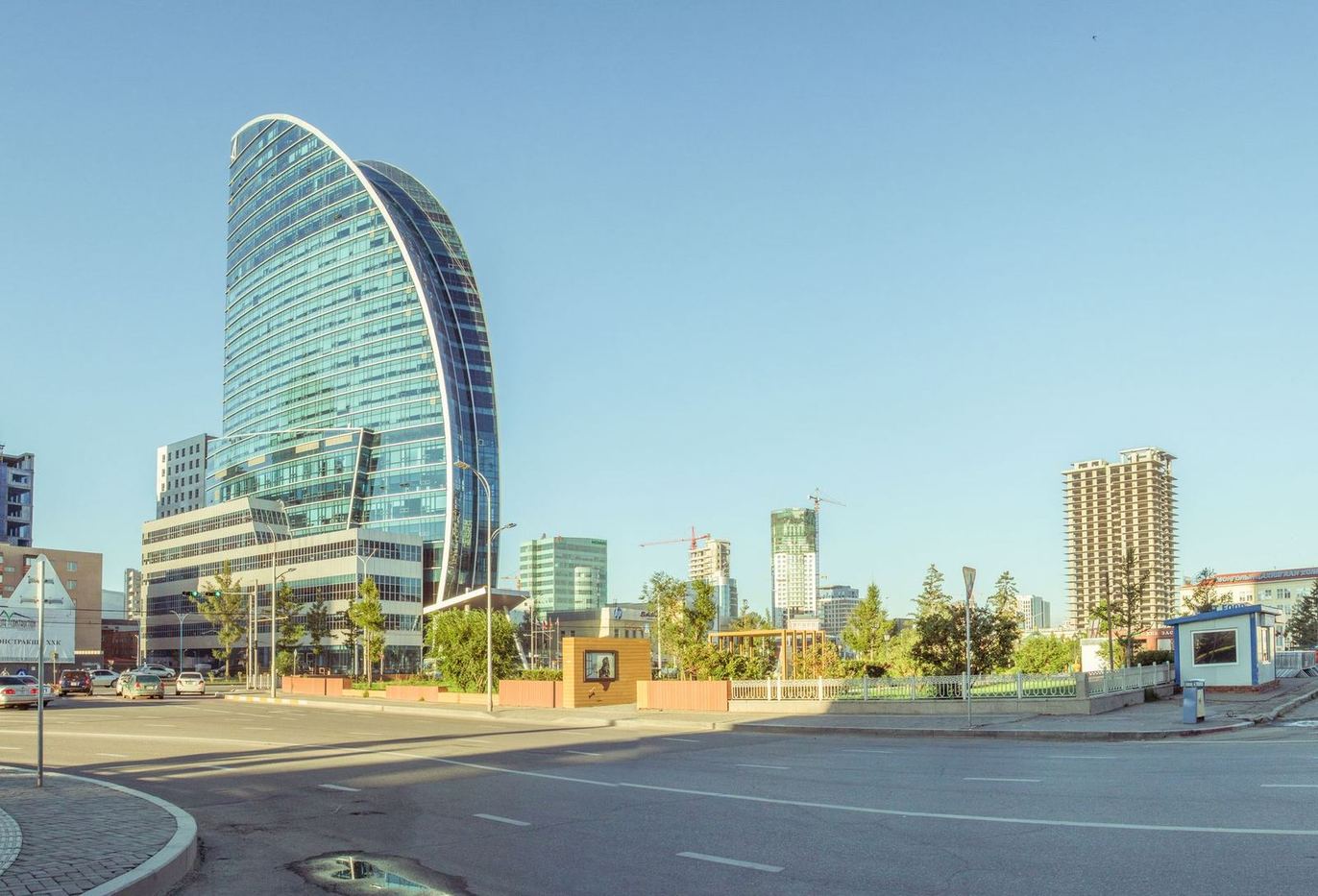
Catalysing Sustainable Housing Development
On 9 September 2026, the Asian Development Bank (ADB) formalised a $30 million loan, denominated in togrog equivalent, with Tavan Bogd Holdings LLC. This financing is directed towards the construction of the Gerlug Green Apartments, a residential complex in Ulaanbaatar's Khan-Uul District comprising 252 units across four towers.
This initiative marks Mongolia's inaugural privately developed green-certified residential complex. The project's objective is to expand the availability of sustainable housing options, mitigate energy expenses for residents, and decrease greenhouse gas emissions.
Furthermore, it aims to integrate internationally recognised green building standards into Mongolia's residential real estate sector, setting a new operational benchmark for energy efficiency in urban development, as stated by ADB Country Director for Mongolia, John Juhyun Jeong.
Exceeding International Efficiency Benchmarks
The Gerlug Green Apartments project targets certification under the Excellence in Design for Greater Efficiencies (EDGE) standard, an international green building framework. This standard mandates a minimum of 20% savings in energy, water, and materials compared with conventional construction.
Projections for the Gerlug Green Apartments indicate substantial improvements over this threshold, with a forecast of 34.6% energy savings, 30.6% water savings, and a 38.1% reduction in embodied carbon. These figures demonstrate a commitment to efficiency that significantly surpasses the baseline requirements.
Baatarsaikhan Tsagaach, President of Tavan Bogd Group, noted that this partnership with the ADB reflects the company's dedication to advancing higher standards in residential development and supporting a more resilient housing sector within the country.
Contributing to National Emissions Targets
Mongolia's residential buildings are characterised by high energy consumption, primarily due to a reliance on coal-fired heating during the winter months. The green features integrated into the Gerlug Green Apartments, including advanced insulation, energy-efficient lighting systems, and smart energy meters, are designed to reduce operational energy costs for occupants.
Beyond individual household savings, these features are projected to contribute directly to Mongolia's national target of reducing emissions by 23% by 2030.
The construction phase of the project is also projected to generate approximately 1,800 employment opportunities, concurrently expanding prospects for women in technical professions and internships within the building sector.
Establishing a Replicable Framework
As the first privately developed green-certified residential complex in Mongolia, the Gerlug Green Apartments project is intended to serve as a replicable model for future energy-efficient housing initiatives across the nation.
The Asian Development Bank has been actively supporting Mongolia in the promotion and assessment of green building opportunities, alongside the integration of energy-efficient design measures in both public and private sector constructions.
This support is provided through its technical assistance programme on 'Accelerating Climate Action, Innovation and Private Sector Development'.
This technical assistance specifically aided Tavan Bogd Holdings LLC in adopting internationally recognised green building standards for the Gerlug project, facilitating the transfer of expertise and best practices into the local market.
Implications for Future Urban Development
The Asian Development Bank's $30 million loan to Tavan Bogd Holdings establishes a clear precedent for private sector investment in green infrastructure within Mongolia. This initiative could shift the country's energy-intensive residential construction practices towards more sustainable models.
The success of the Gerlug Green Apartments, particularly its demonstrated operational cost savings and contributions to emissions reduction, will inform future capital allocation decisions in Mongolia's housing sector, especially as the nation progresses towards its 2030 emissions reduction target.
Investors and developers should monitor the project's long-term performance data, anticipated to become available from late 2027, to evaluate the commercial viability and scalability of green housing solutions in similar emerging Asian markets. This data will be crucial for assessing the broader market adoption of such standards.
This analysis is journalism, not investment advice; consult a licensed professional before making financial decisions.
Pieces are credited to the desk that commissioned and edited them. Our editorial standards, and the desks behind them, are set out on the Editorial Standards and Team pages.
Further reading
- Briefings · Industry
How will Japan's fiscal 2031 quantum sensor drone plan reshape undersea surveillance?
Japan's defence budget request, released in late August, outlines a plan to deploy drone-mounted quantum magnetic sensors by fiscal 2031. This initiative seeks to improve maritime detection efficiency and reduce operational costs.
Continue reading → - Briefings · Markets
How do US$100 oil and 5% US yields divide ASEAN currencies?
Analysts observe a significant split in regional currency performance, with some benefiting from trade surpluses and capital inflows while others face import cost pressures.
Continue reading → - Briefings · Markets
How will RBI's September 16 reverse repo affect India's liquidity?
The Reserve Bank of India will conduct an overnight variable rate reverse repo operation on September 16, 2026, aiming to absorb surplus funds from the banking system.
Continue reading →